Cracking the Code: Making Long Tail Keywords Work for PPC
In the complex and ever-evolving world of pay-per-click (PPC) advertising, understanding the significance of long tail keywords can be a game-changer for businesses. These specific, less competitive search phrases often convert better than broad keywords, offering a strategic advantage for advertisers looking to lower their PPC costs while reaching highly relevant audiences.
What are Long Tail Keywords?
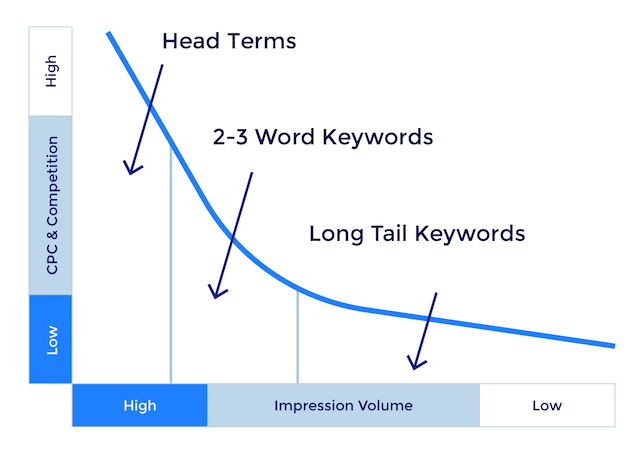
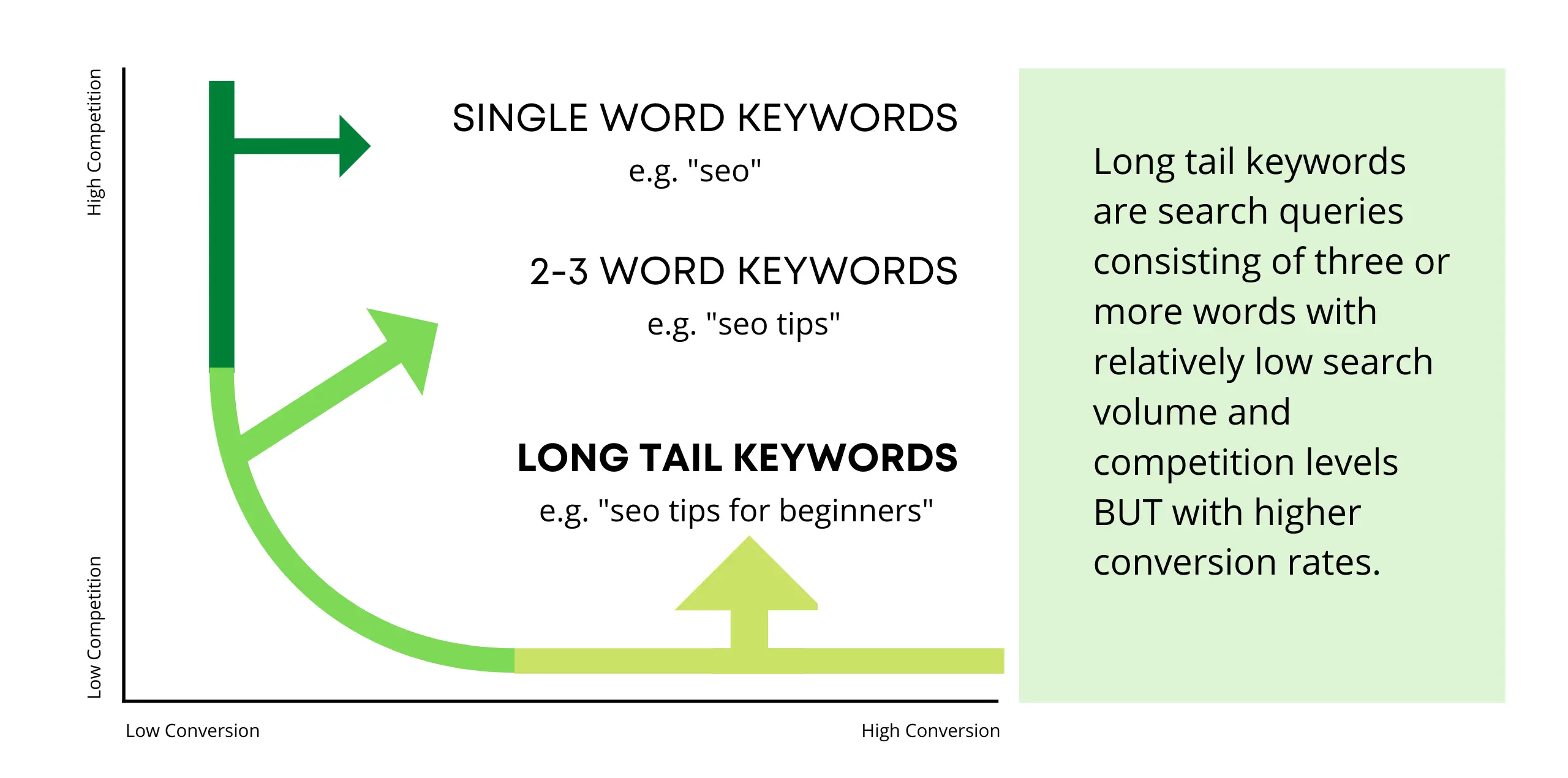
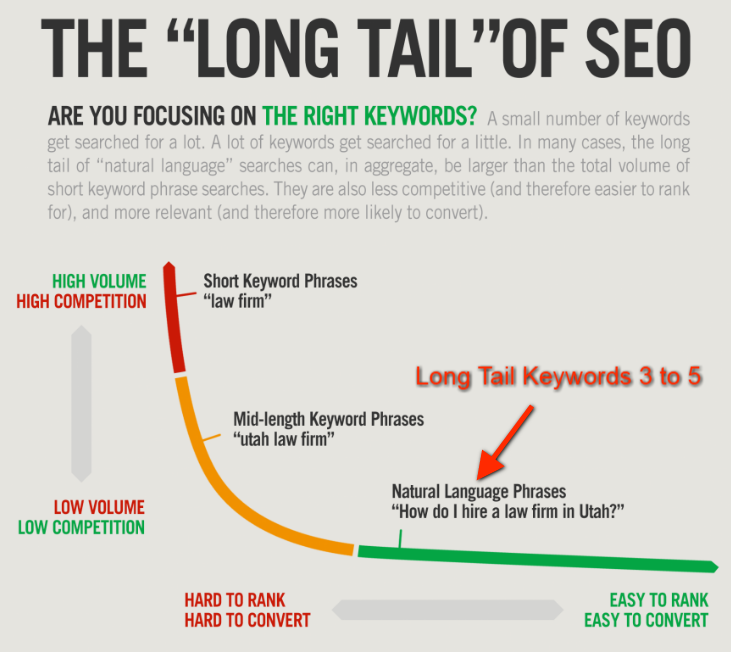
Long tail keywords are longer and more specific keyword phrases that visitors are more likely to use when they're ready to buy. Unlike broad keywords that have high search volumes but also intense competition, long tail keywords are individually low volume but can drive a significant amount of traffic when combined. This approach can be particularly beneficial for small businesses and niche markets, where the goal is to reach a focused audience with higher intent.
Why Target Long Tail Keywords in PPC?
Targeting long tail keywords can offer several benefits in PPC campaigns, including:
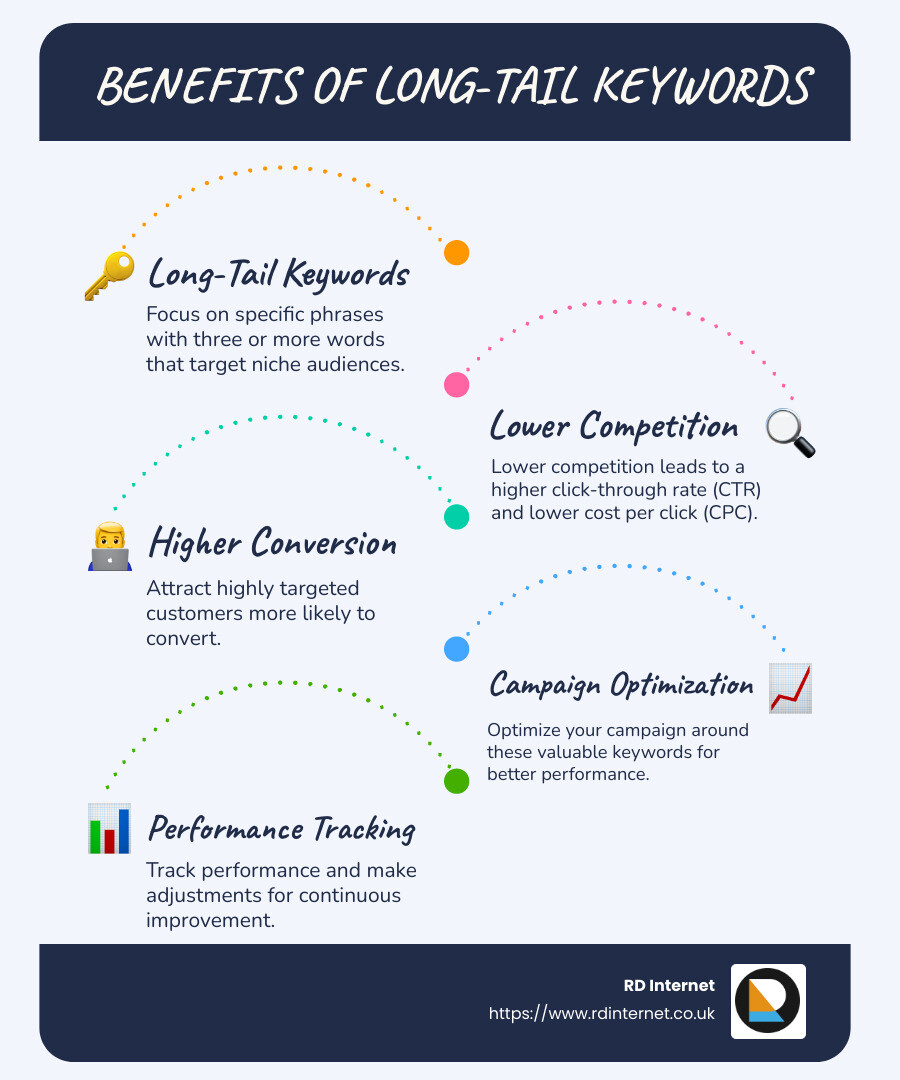
- Reduced competition: Long tail keywords often have lower competition, making it easier to rank higher in search engine results pages (SERPs).
- Lower costs: Lower competition typically translates to lower costs per click (CPC), meaning you can spend less on each ad click, potentially resulting in a more cost-effective PPC campaign.
- Higher conversion rates: Visitors using long tail keywords are more likely to have a specific intent or need, increasing the likelihood of a conversion or sale.
How to Find and Create Long Tail Keywords
To effectively target long tail keywords, you need to identify the right phrases that align with user search intent and your website. Here are steps to find and create long tail keywords:
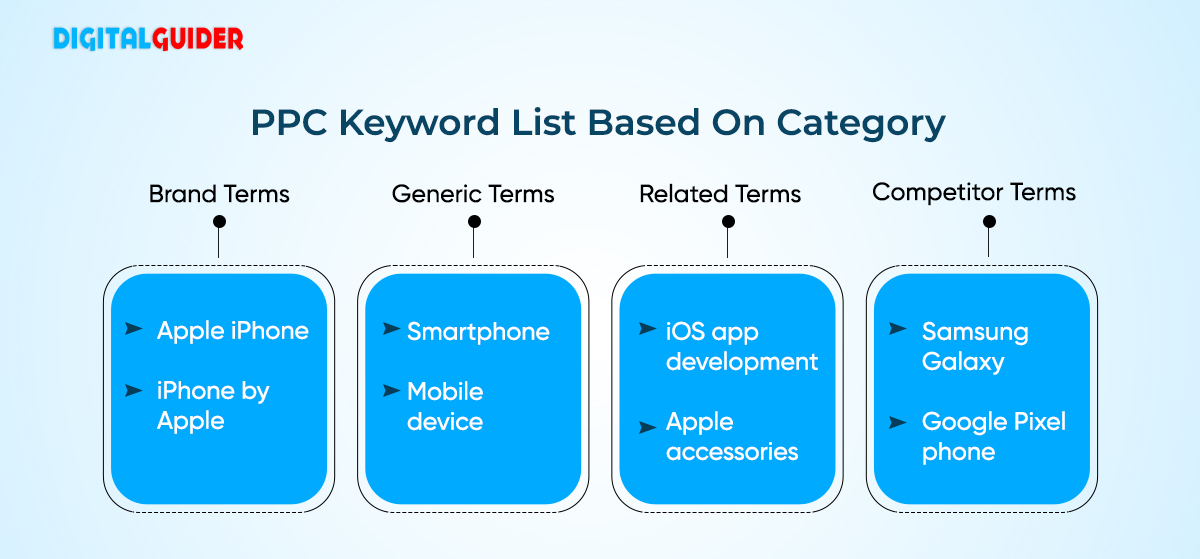
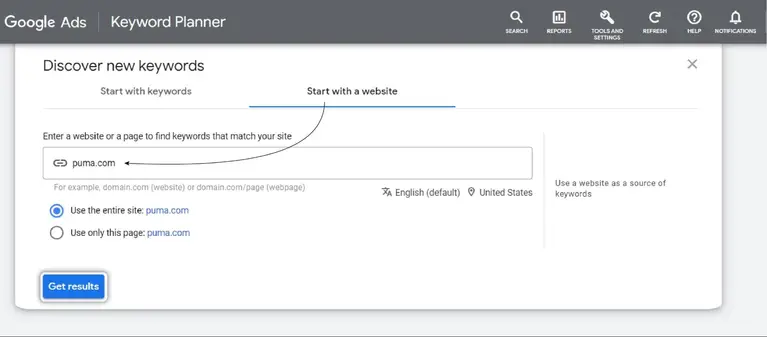
- Keyword research tools: Utilize tools like Google Keyword Planner, Keyword Tool, or WordStream to generate a list of relevant keywords. These tools can also provide insights into search volume, competition levels, and CPC.
- Competitor analysis: Analyze your competitors' keyword strategies to identify gaps and opportunities.
- Brainstorming: Use your knowledge of the market and your target audience to brainstorm long tail keywords that are relevant to your business.
Optimizing Your Website Content for Long Tail Searches
Once you've identified your long tail keywords, it's time to optimize your website content to match these specific searches. This includes incorporating your long tail keywords naturally within your page content, meta descriptions, and headings.
Best Practices for Using Long Tail Keywords in PPC
To effectively use long tail keywords in your PPC campaigns, remember:
- Quality over quantity: Prioritize relevance over quantity, targeting a smaller number of high-quality long tail keywords rather than a large list of low-quality broad keywords.
- Ad grouping: Organize your keywords into groups based on specific themes or audiences to ensure ad relevance and improve ad performance.
- Continuous monitoring and optimization: Regularly monitor your PPC campaigns, adjusting your keyword list and ad targeting strategies as needed to maintain profitability and relevance.
Conclusion
Making long tail keywords work for PPC involves understanding their significance, identifying relevant keywords, optimizing your website content, and continuously monitoring and adjusting your campaign strategies. By leveraging the benefits of long tail keywords, businesses can reduce competition, lower costs, and increase conversion rates, ultimately improving the overall performance of their PPC campaigns.