Unlock the Power of Long Tail Keywords for Your Online Business
In the ever-evolving landscape of search engine optimization (SEO), one strategy has proven to be a game-changer: long tail keywords. These phrases, composed of three or more words, not only offer lower competition but also higher conversion rates compared to broad, generic keywords. By incorporating long tail keywords into your SEO strategy, you can significantly improve your website's visibility, drive targeted traffic, and boost conversions.
What Are Long Tail Keywords?
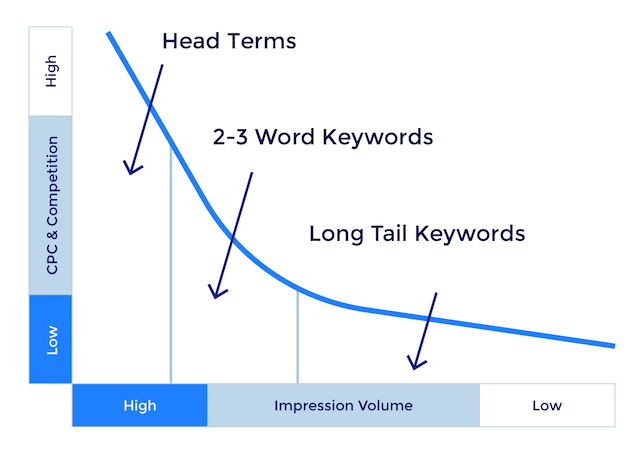
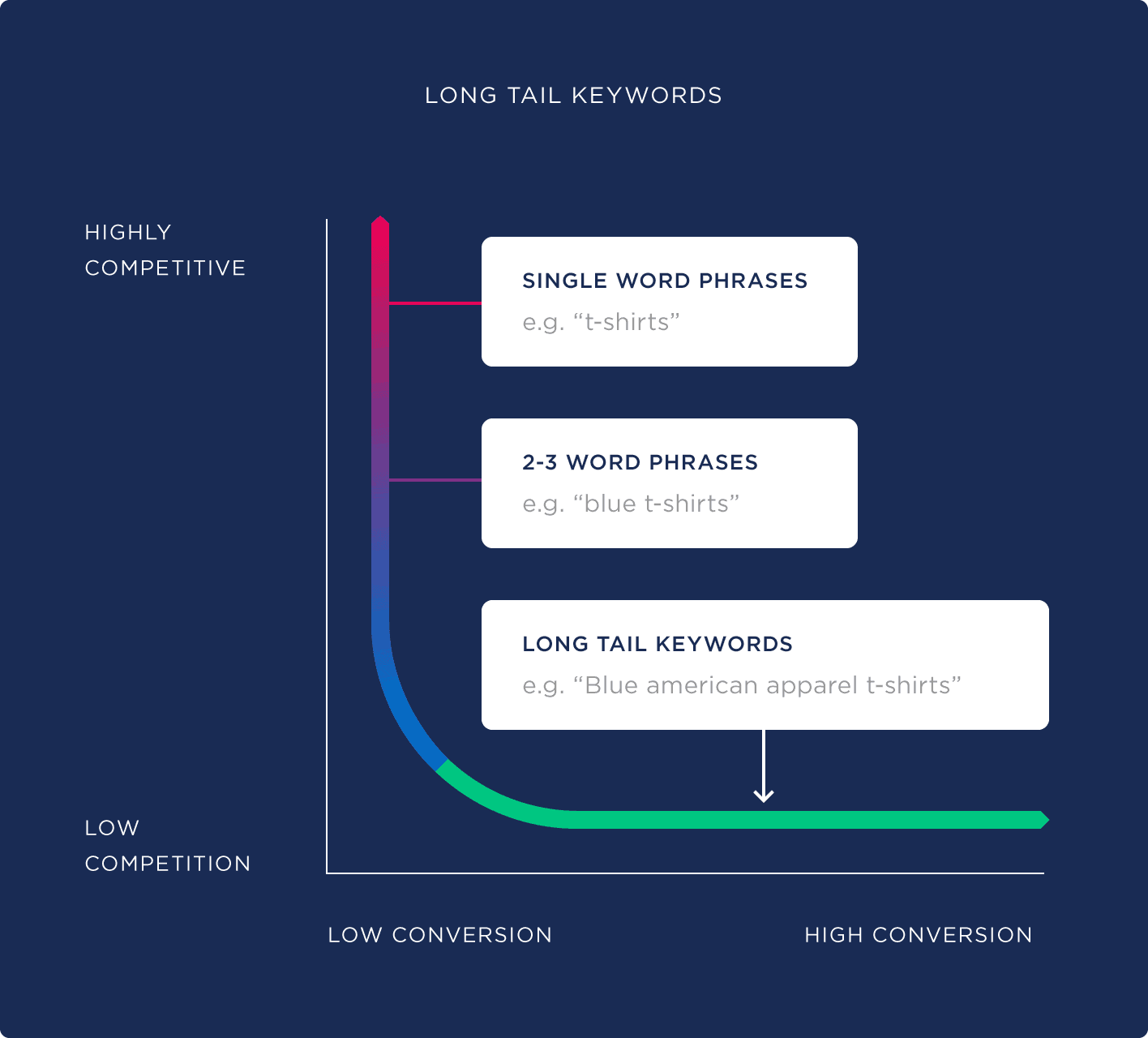
Long tail keywords are highly specific phrases that users input into search engines when they're ready to buy or seek a specific solution. Unlike broad keywords that have higher search volumes but lower conversion rates, long tail keywords have a lower search volume but are more targeted and therefore more likely to convert. For example, if your primary keyword is "workout," a long tail keyword might be "30-minute workout" or "how to workout with kettlebells."
The Benefits of Long Tail Keywords
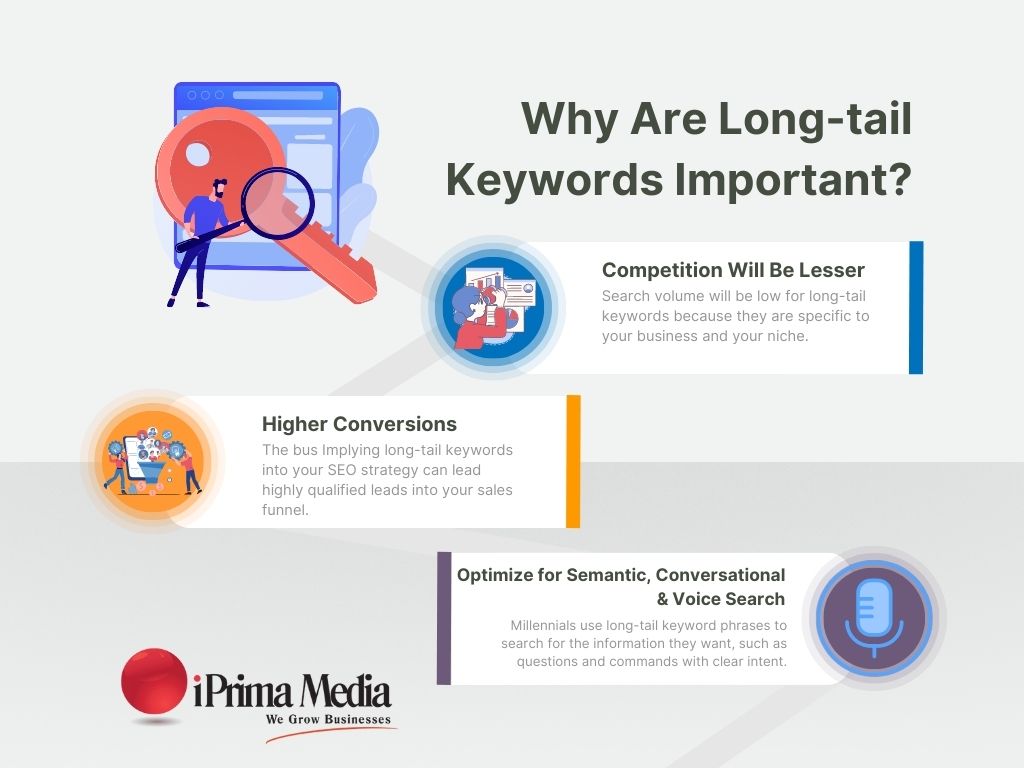
- Lower Competition: With fewer businesses targeting specific long tail keywords, you have a higher chance of ranking on the first page of search engine results.
- Higher Conversion Rates: Long tail keywords are more targeted, which means that the users searching for these phrases are more likely to be interested in your product or service, leading to higher conversion rates.
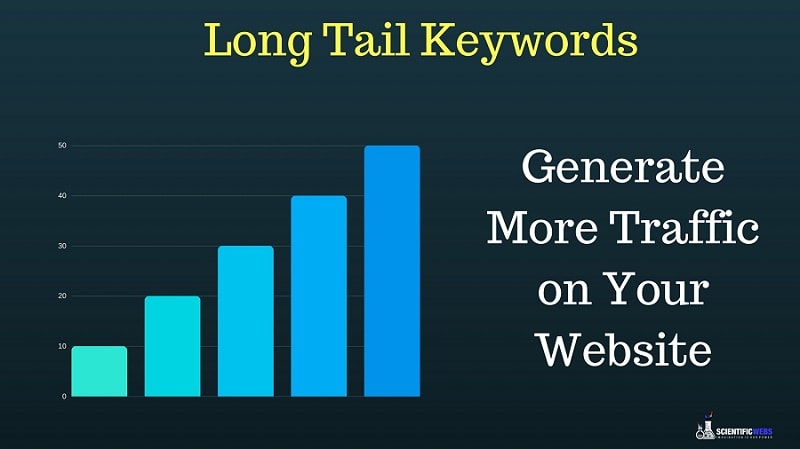
- Targeted Traffic: Long tail keywords drive targeted traffic, increasing the chances of your website attracting the right audience and reducing bounce rates.
- Improved User Experience: By using long tail keywords, you can provide users with more relevant content, improving their overall experience and increasing the chances of them returning to your website.
How to Find Long Tail Keywords
Finding long tail keywords requires research and analysis. Here are some steps to help you get started:
- Use Keyword Research Tools: Tools like Google Keyword Planner, Ahrefs, and SEMrush can help you find long tail keywords and their search volumes.
- Analyze Competitors: Analyze your competitors' websites and identify the long tail keywords they're targeting.
- Use Google Trends: Google Trends can help you identify popular long tail keywords and trends.
- Conduct User Research: Conduct user research to identify the specific phrases and words your target audience uses when searching for your product or service.
Optimizing for Long Tail Keywords
Once you've identified your long tail keywords, it's time to optimize your website and content. Here are some tips to help you get started:
- Use Long Tail Keywords in Your Meta Tags: Use long tail keywords in your meta title, description, and keywords tags.
- Use Long Tail Keywords in Your Content: Use long tail keywords throughout your content, especially in your headings and subheadings.
- Use Long Tail Keywords in Your Image Alt Tags: Use long tail keywords in your image alt tags to improve your website's accessibility and search engine ranking.
- Use Long Tail Keywords in Your Internal Linking: Use long tail keywords in your internal linking to improve user experience and search engine ranking.
Conclusion
Long tail keywords are a powerful tool in any SEO strategy. By incorporating them into your website and content, you can drive targeted traffic, improve conversions, and boost your website's visibility. Remember, long tail keywords are not just a handy trick to improve SEO; they're a cornerstone of a smart digital strategy. By focusing on long tail keywords, you can create a more targeted and effective SEO strategy that drives real results for your online business.
Additional Resources
For more information on long tail keywords and SEO, check out these additional resources:
- KWFinder by Mangools: A keyword research tool that helps you find and analyze long tail keywords.
- Keyword Tool: A free online keyword research instrument that uses Google Autocomplete to generate hundreds of relevant long tail keywords.
- Market Samurai Long Tail Keywords: A feature within the Market Samurai SEO software that helps marketers and business owners find valuable long tail keywords.