How to Set Up a Home Wi-Fi Network: A Comprehensive Guide
In today's digital age, having a reliable and fast Wi-Fi network is essential for staying connected and productive at home. Setting up a home Wi-Fi network can seem daunting, but with this step-by-step guide, you'll be able to create a seamless and secure network that meets your needs.
Step 1: Choose the Right Equipment
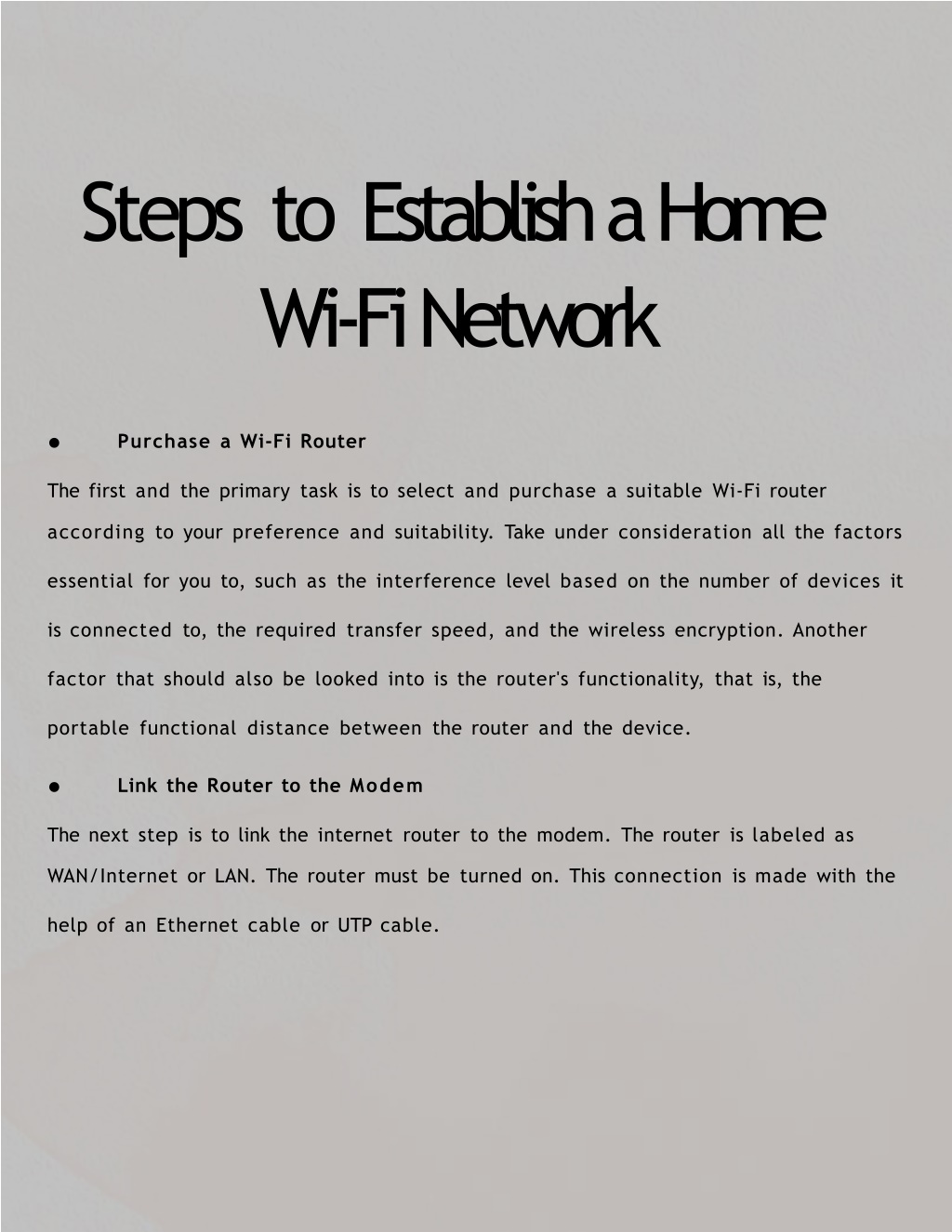
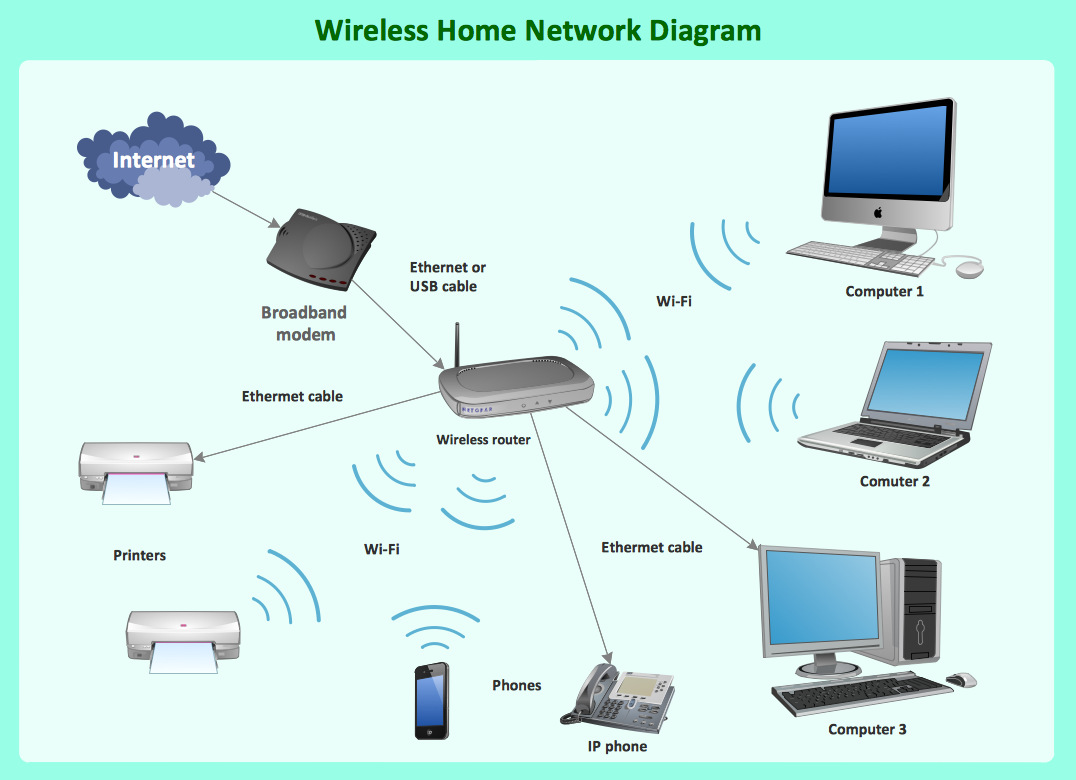
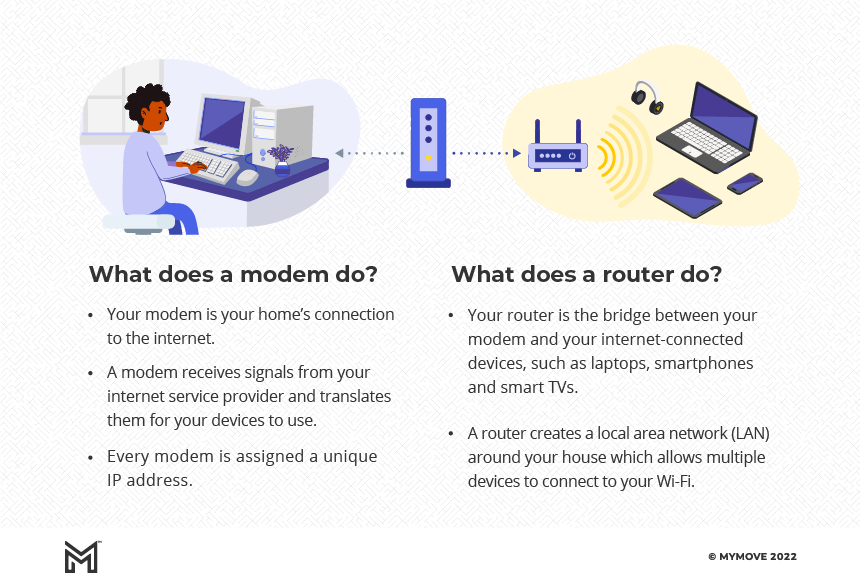
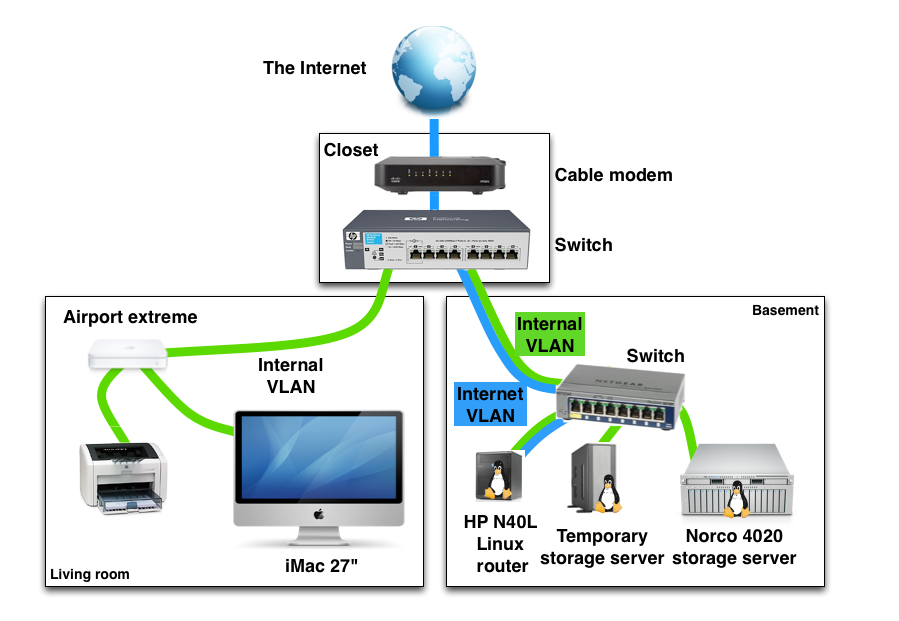
The first step in setting up a home Wi-Fi network is to choose the right equipment. You'll need a router, a modem, and possibly a mesh network system. Research and compare different options to find the best one for your needs and budget. Some popular options include Google Wi-Fi, Netgear, and ASUS.
Step 2: Set Up Your Router
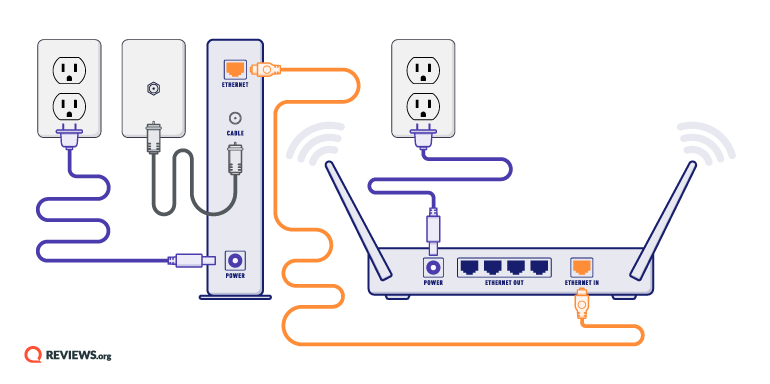
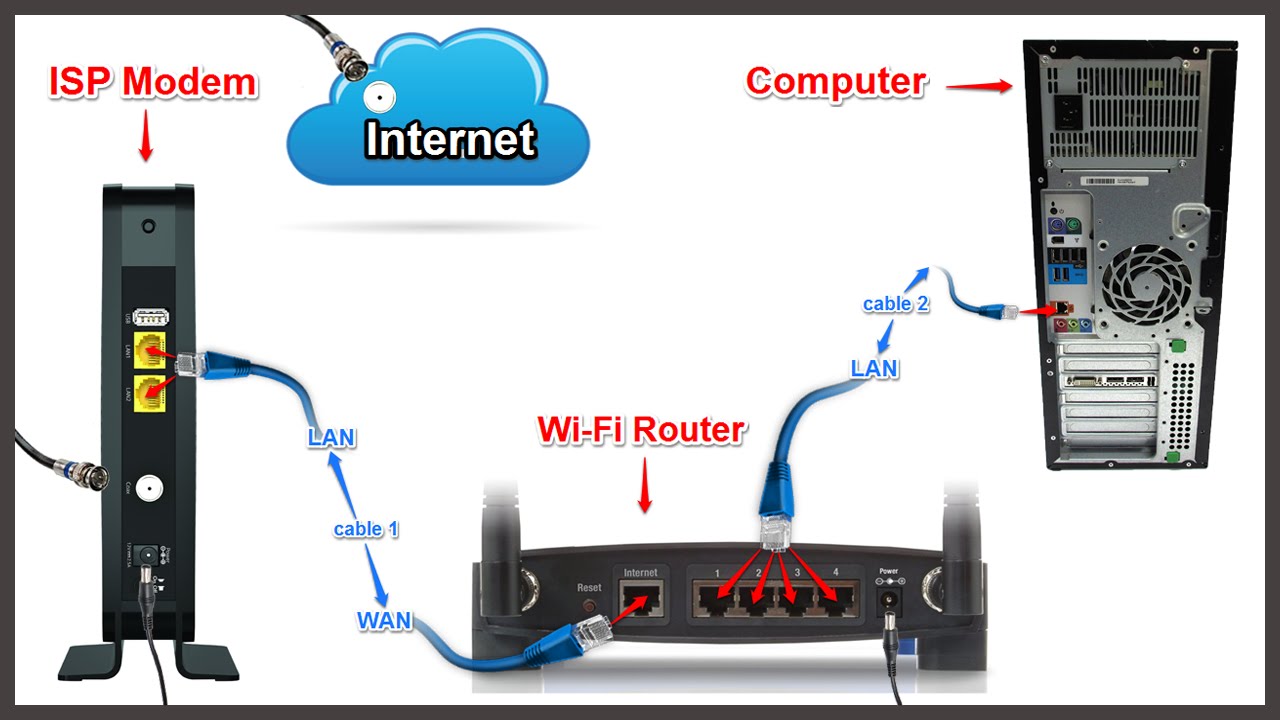
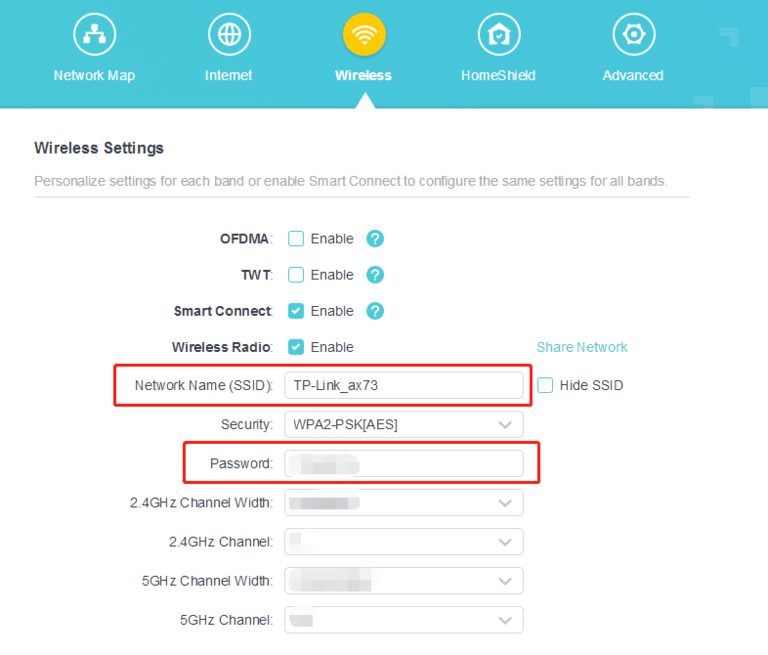
Once you have your equipment, it's time to set up your router. Follow the manufacturer's instructions to connect your router to your modem and power it on. You'll need to set up your Wi-Fi network name (SSID) and password. This will help keep your network secure and prevent unauthorized access.
Step 3: Configure Your Router Settings
After setting up your router, it's time to configure its settings. You'll need to set up your network name, password, and other settings such as DNS and IP addresses. Make sure to change the default administrator password and set up any additional features such as guest networks or Quality of Service (QoS) settings.
Step 4: Extend Your Network Coverage
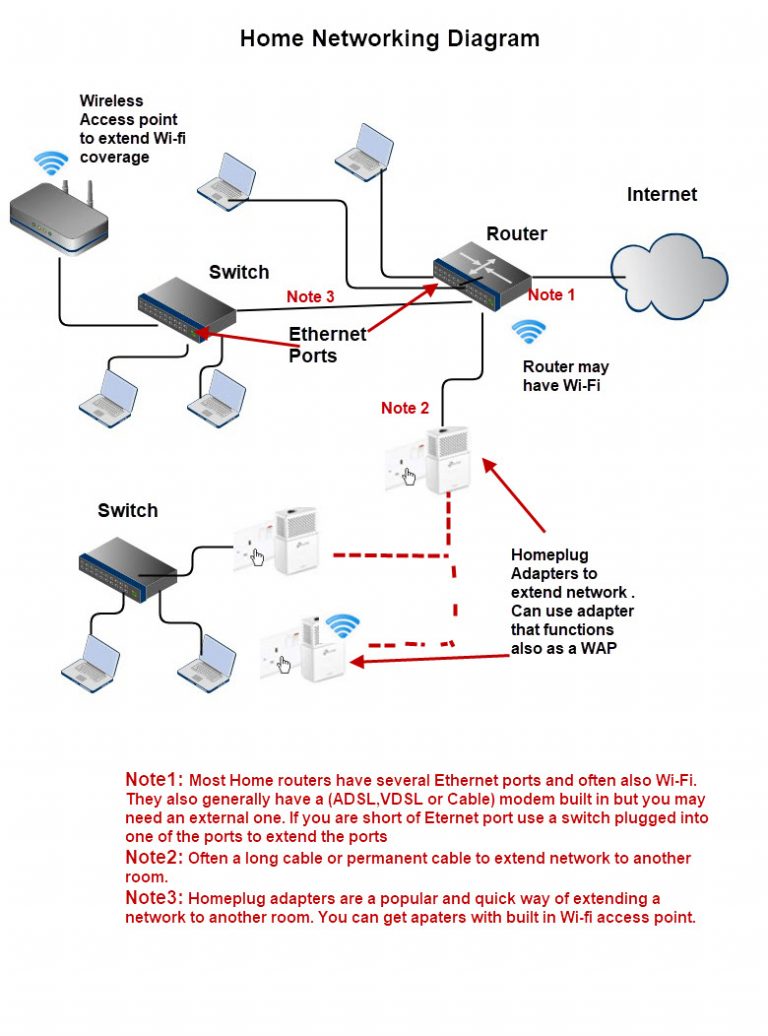
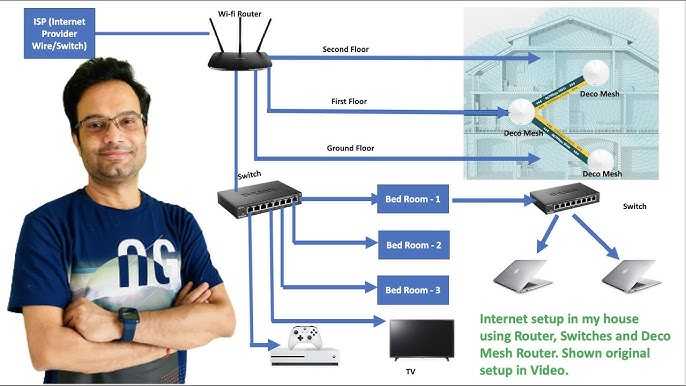
If you have a large home or multiple floors, you may need to extend your network coverage. Consider using a mesh network system or Wi-Fi extenders to provide coverage in areas where your router's signal is weak.
Step 5: Secure Your Network
Securing your network is crucial to prevent unauthorized access and protect your personal data. Set up a strong password, enable WPA2 encryption, and consider using a VPN to encrypt your internet traffic.
Step 6: Connect Your Devices
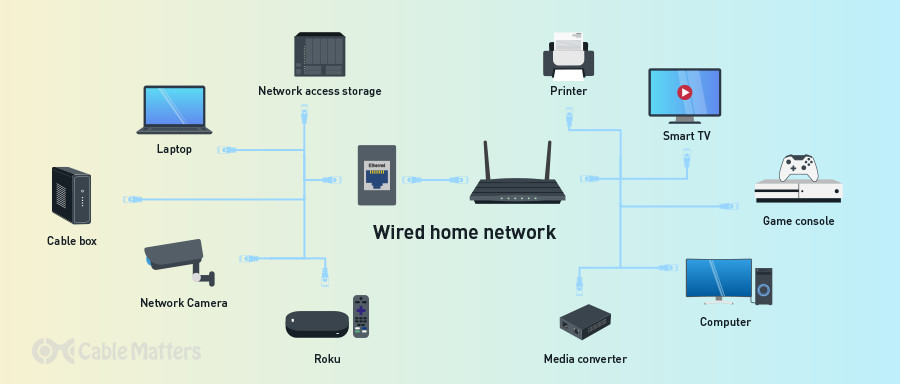
Once your network is set up, it's time to connect your devices. Connect your laptop, tablet, smartphone, and other devices to your network using the Wi-Fi settings on each device.
Tips and Tricks for Setting Up a Home Wi-Fi Network
1. Use a Strong Password

A strong password is essential to keep your network secure. Use a combination of uppercase and lowercase letters, numbers, and special characters to create a password that's hard to guess.
2. Update Your Router Firmware
Regularly updating your router firmware can help fix bugs and improve performance. Check your router's website for firmware updates and follow the manufacturer's instructions to update your router.
3. Use Quality of Service (QoS) Settings
QoS settings can help prioritize devices on your network, ensuring that critical devices such as online gaming consoles and streaming devices receive a stable connection.
4. Use a Guest Network
A guest network is a separate network that's created for visitors. This can help keep your main network secure and prevent unauthorized access.
Conclusion
Setting up a home Wi-Fi network can seem daunting, but with this guide, you'll be able to create a seamless and secure network that meets your needs. Remember to choose the right equipment, set up your router and configure its settings, extend your network coverage, secure your network, connect your devices, and follow the tips and tricks outlined above.
Frequently Asked Questions
Q: What is the best Wi-Fi router for home use?
A: The best Wi-Fi router for home use depends on your specific needs and budget. Consider factors such as range, speed, and features such as mesh networking and parental controls.
Q: How do I extend my Wi-Fi network coverage?
A: You can extend your Wi-Fi network coverage by using a mesh network system or Wi-Fi extenders. These devices can help provide coverage in areas where your router's signal is weak.