How to Overcome GLP-1 Resistance and Break Through Weight Loss Plateaus
GLP-1 (glucagon-like peptide-1) medications have revolutionized weight loss treatment, offering a new approach to managing obesity. However, despite their effectiveness, many individuals experience weight loss plateaus, making it challenging to maintain progress. In this article, we will explore the reasons behind GLP-1 resistance and provide science-backed strategies to overcome these challenges.
Understanding GLP-1 Plateaus
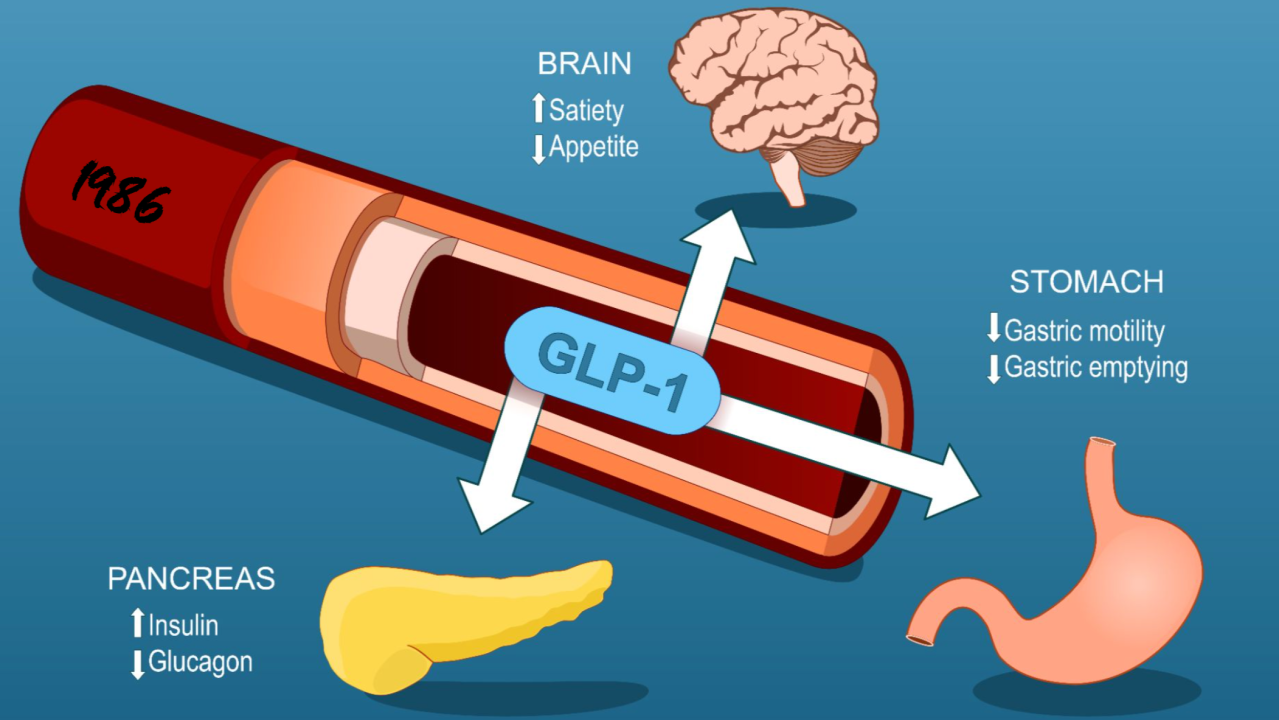
GLP-1 medications work by mimicking a natural hormone in the body, slowing down gastric emptying, and reducing hunger. When you start taking these medications, you may experience significant weight loss. However, as your body adapts, weight loss slows down or even plateaus. This phenomenon is often attributed to metabolic adaptation, where your body responds to the medication's effects by decreasing its total energy expenditure.
Other factors contributing to weight loss stalls include lifestyle changes, dosage, or underlying health conditions. Medical Review by Jennie Stanford, MD, FAAFP, emphasizes that clinicians often underestimate the importance of metabolic adaptations and overlook lifestyle factors that impact weight loss.
Why Do GLP-1 Plateaus Happen?
Several factors can lead to GLP-1 resistance, including:
- Metabolic adaptation: As your body adapts to the medication's effects, your energy expenditure decreases, leading to a weight loss slowdown.
- Dosing issues: Inconsistent dosing, underdosing, or overdosing can affect the medication's efficacy.
- Resistance: Hormonal resistance can develop over time, reducing the medication's effectiveness.
- Lean mass loss: Rapid weight loss, especially without proper protein intake, can lead to muscle wasting.
Strategies to Overcome GLP-1 Resistance
To break through weight loss plateaus, focus on the following strategies:
- Adjust your dose: Consult with your healthcare provider to reassess your dosage, as underdosing or overdosing can impact your progress.
- Switch to a new medication: Explore other GLP-1 medications or combinations if you experience persistent resistance.
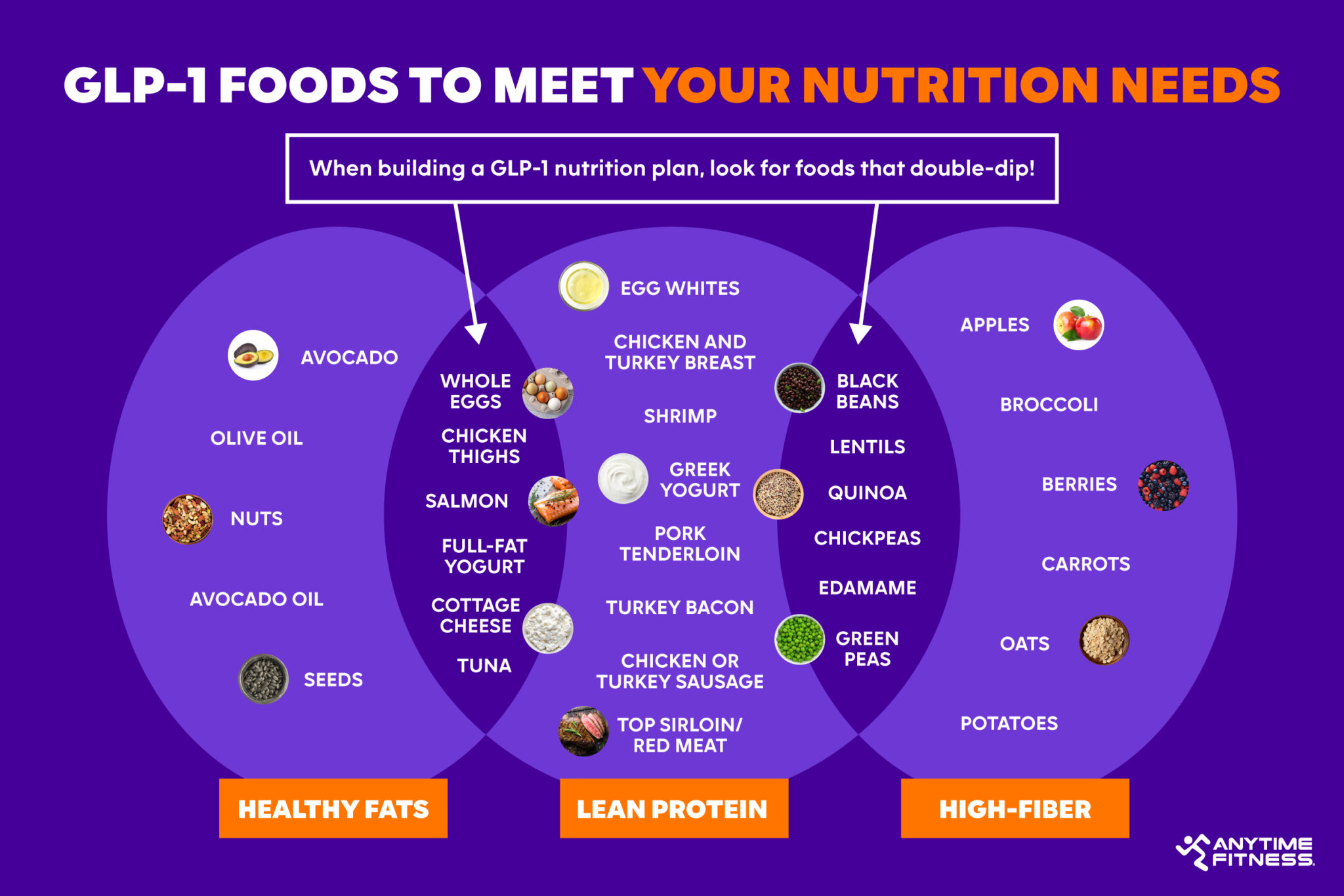
- Enhance your diet: Focus on high-protein intake (1.2-1.6 g/kg body weight daily), incorporate healthy fats, and reduce carbohydrate intake to support weight loss.
- Engage in regular exercise: Combine resistance training with low-impact cardio to maintain muscle mass and enhance overall health.
- Practice stress-reduction techniques: Regular stress management can help mitigate the negative effects of stress on weight loss.
Key Takeaways
GLP-1 plateaus are a common phenomenon caused by metabolic adaptations, dosing issues, hormonal resistance, or lean mass loss. To overcome these challenges, focus on:
- Adjusting your dose, switching medications, or using a combination of GLP-1 drugs.
- Enhancing your diet with high-protein intake and healthy fats.
- Engaging in regular exercise, including resistance training and low-impact cardio.
- Practicing stress-reduction techniques to mitigate stress-related weight gain.
- Working closely with a healthcare provider to monitor your progress and adjust your treatment plan as needed.
Conclusion
GLP-1 resistance and weight loss plateaus are a common challenge for individuals on weight loss medications. By understanding the underlying causes and incorporating science-backed strategies, you can break through these plateaus and achieve your weight loss goals. Remember to work closely with a healthcare provider to monitor your progress and adjust your treatment plan as needed.