Understanding the Impact of GLP-1 on Lipid Metabolism: A Comprehensive Review
Glucagon-like peptide-1 (GLP-1) has emerged as a crucial hormone in regulating various physiological processes, including glucose and lipid metabolism. As a key player in metabolic health, GLP-1 has been extensively studied for its effects on lipid metabolism, particularly in the context of obesity, non-alcoholic fatty liver disease (NAFLD), and cardiovascular disease.The Role of GLP-1 in Lipid Metabolism
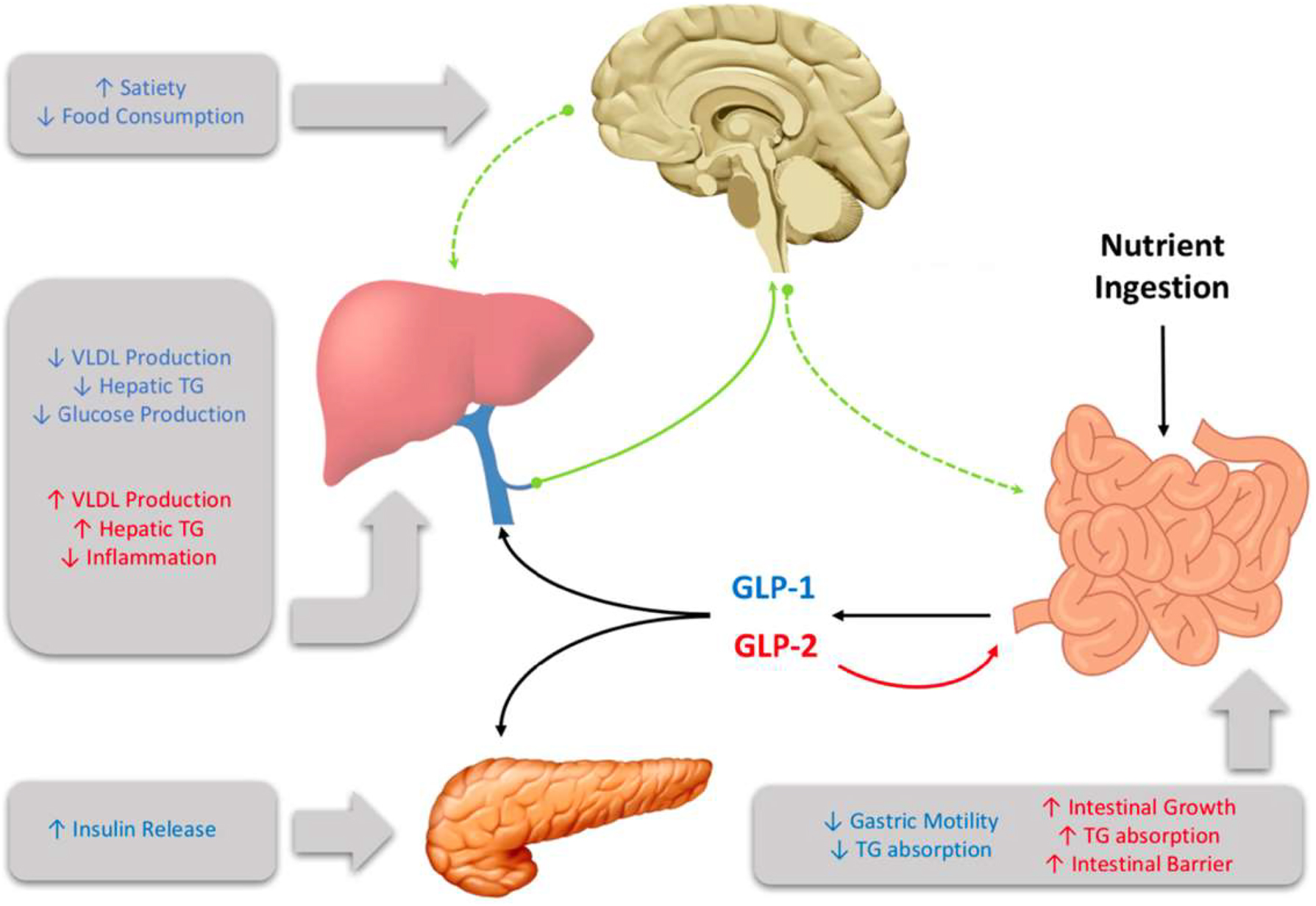
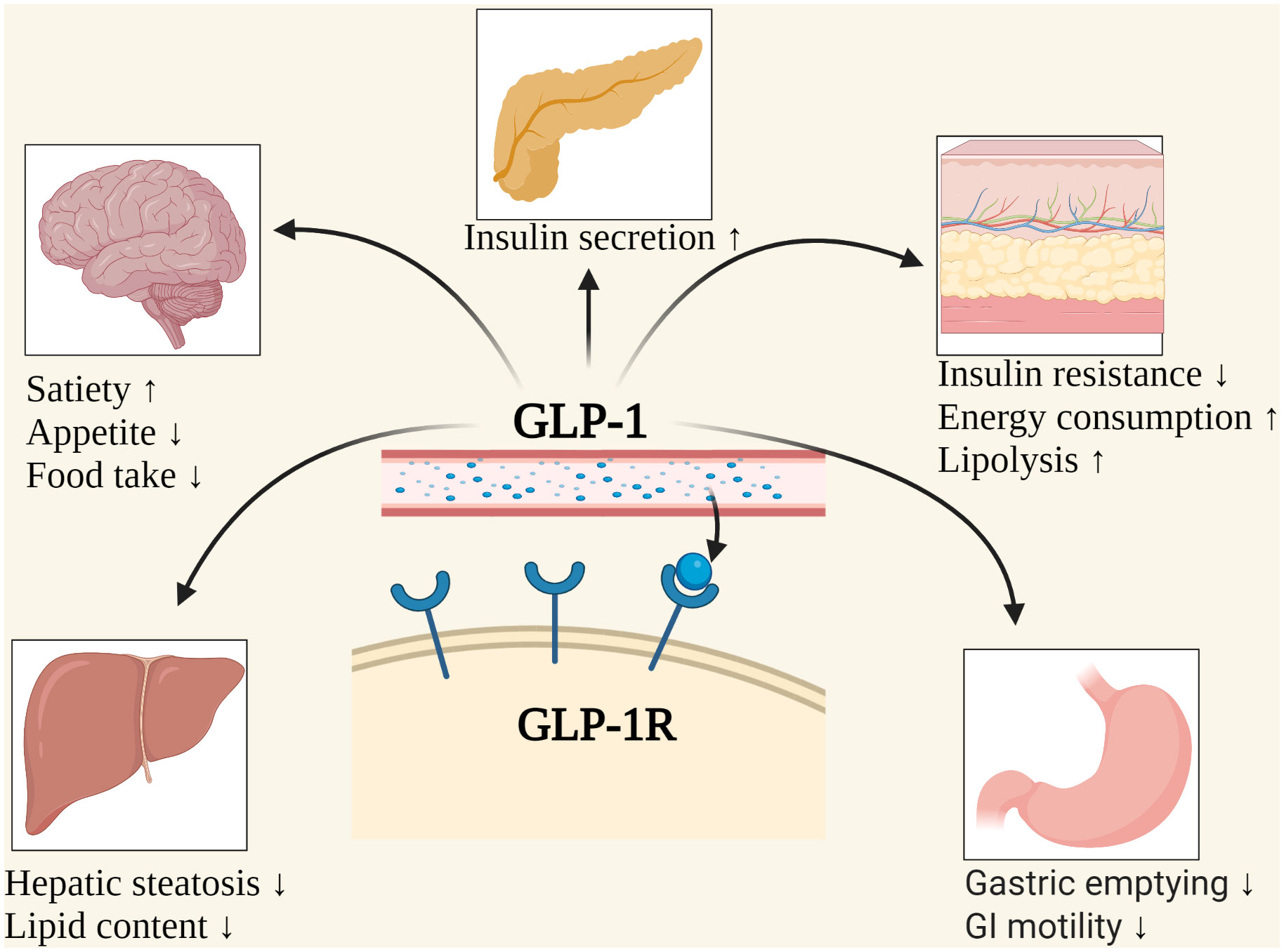
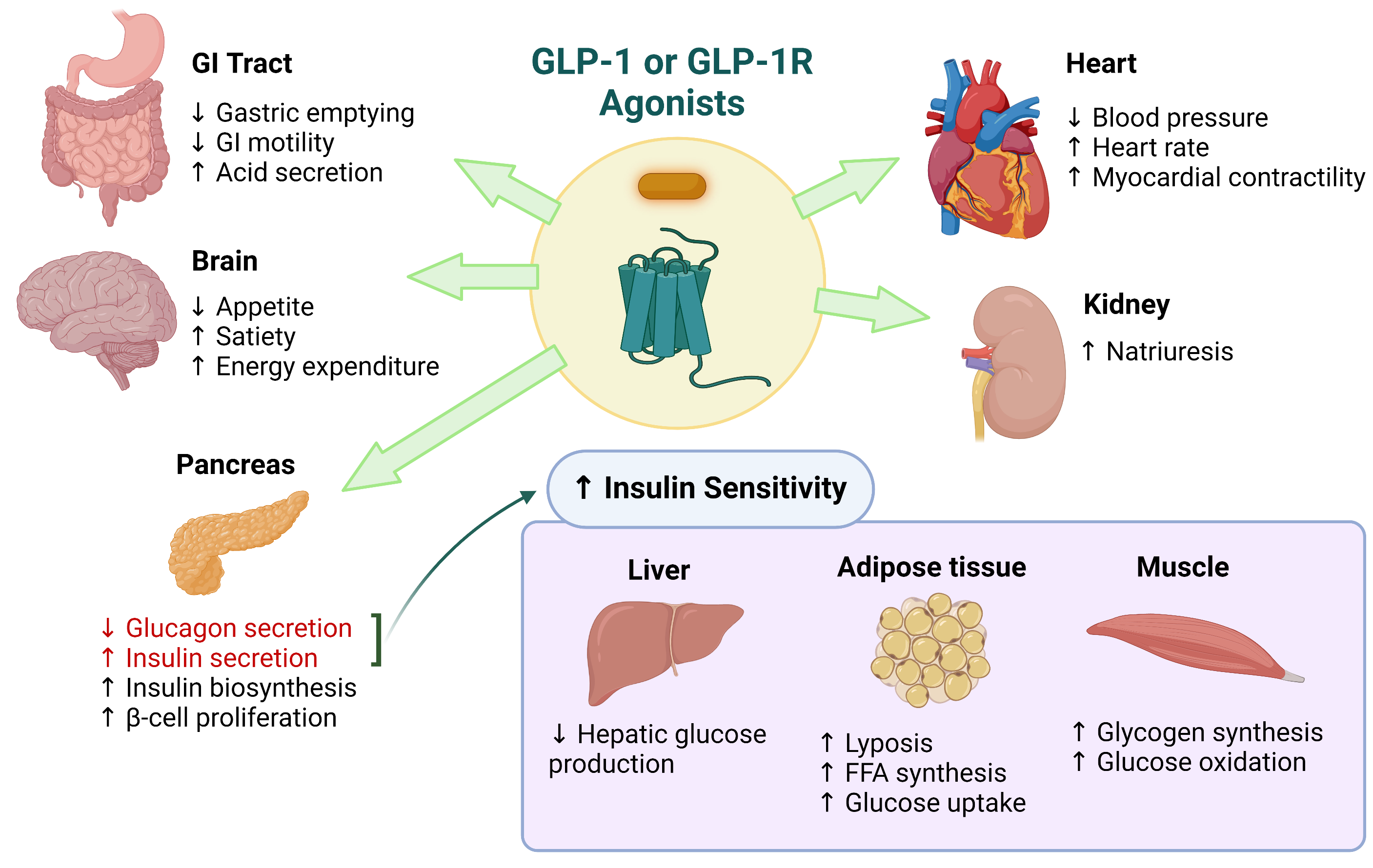
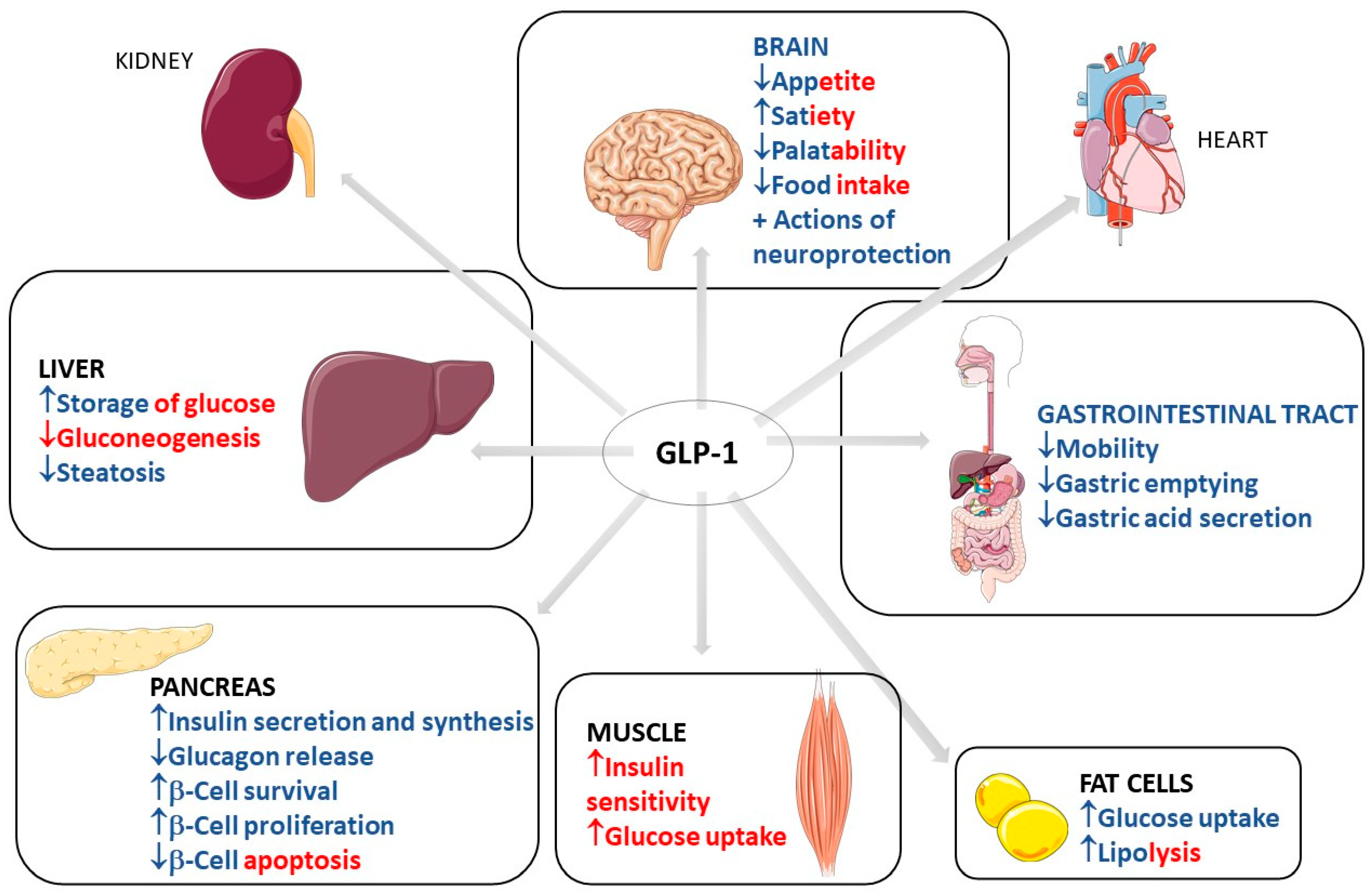
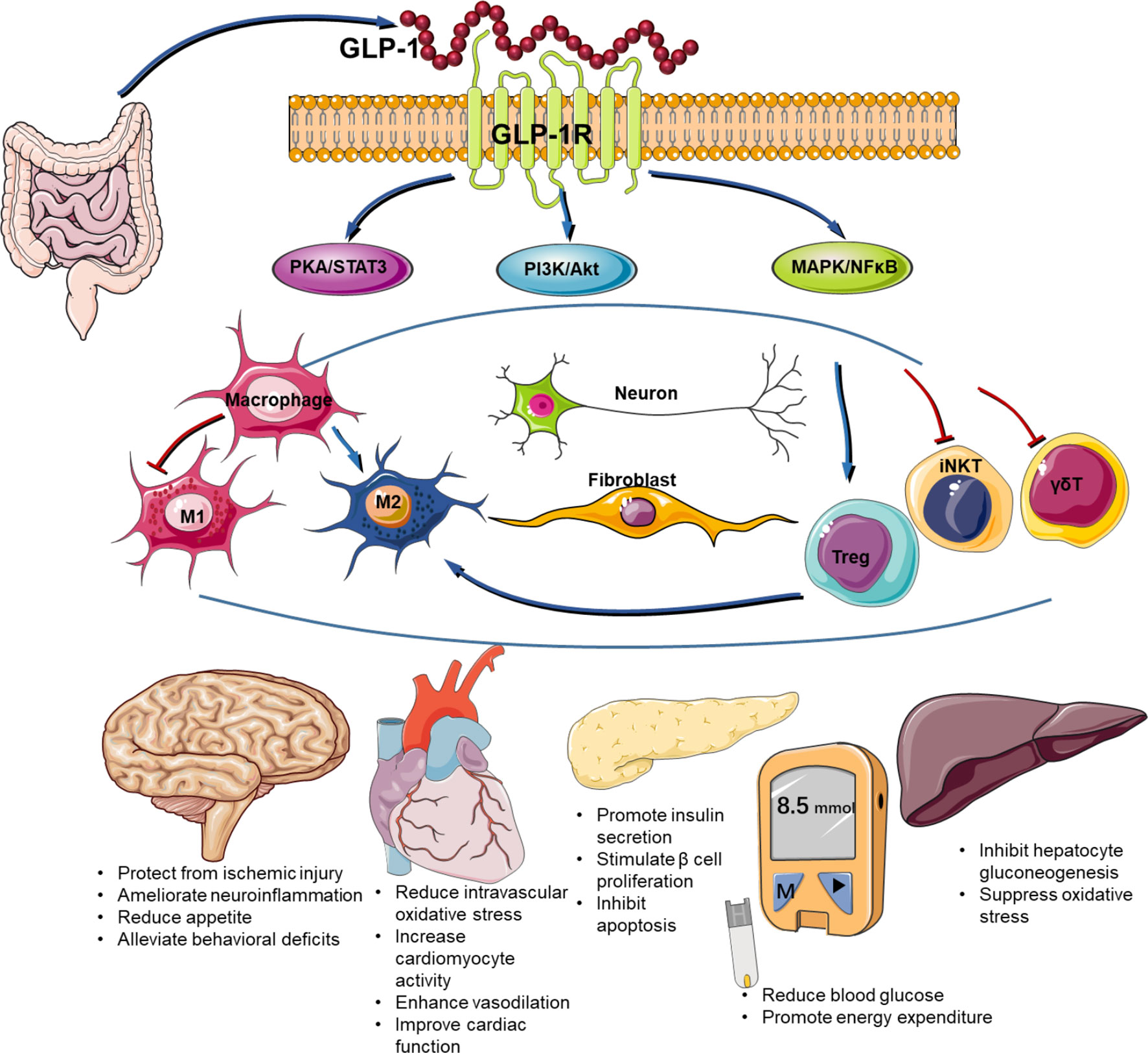
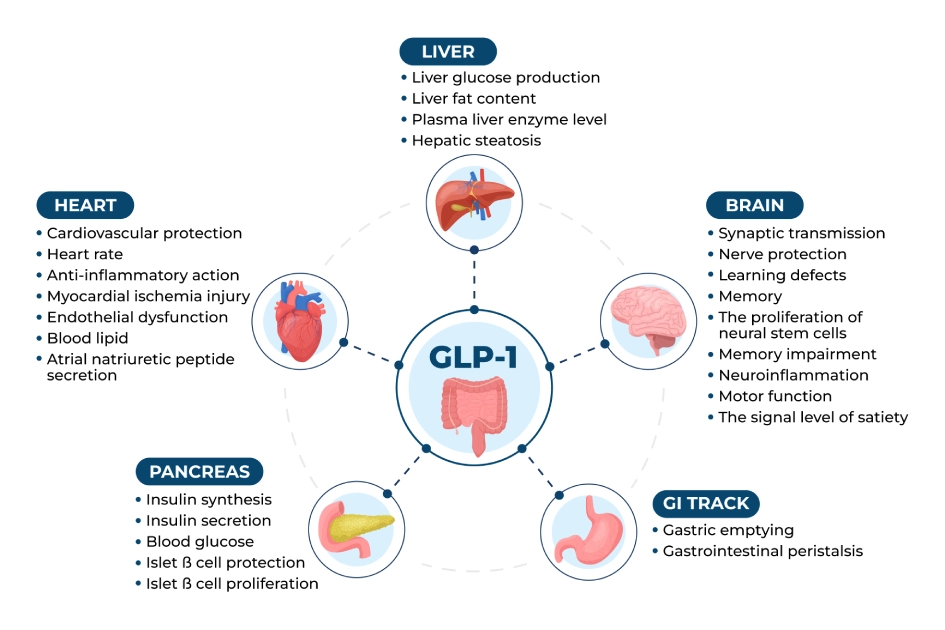
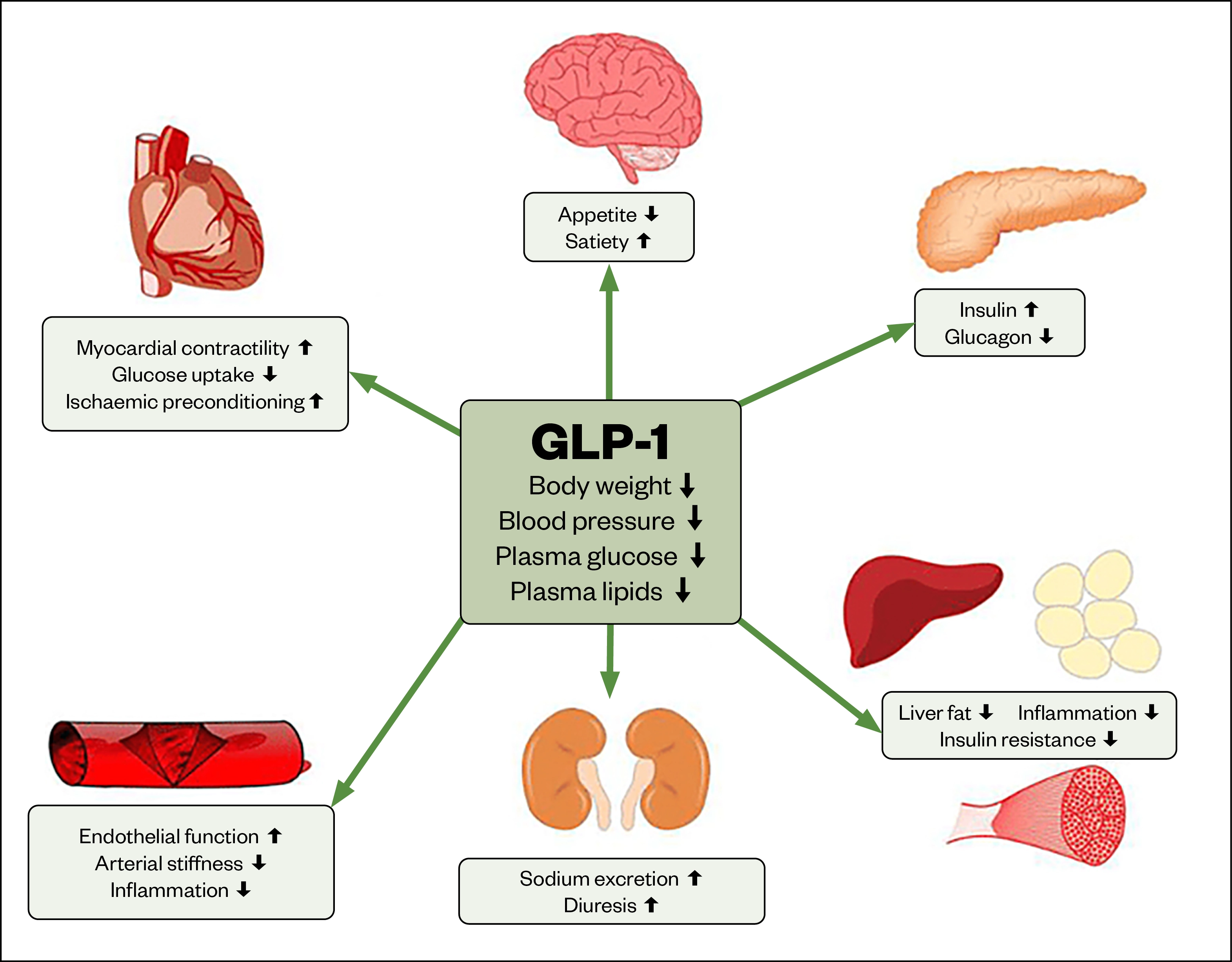
GLP-1 is secreted by intestinal L cells and plays a vital role in enhancing glucose-dependent insulin secretion, suppressing glucagon secretion, and delaying gastric emptying. Beyond its well-known glucose-lowering effects, GLP-1 has been shown to influence lipid metabolism by regulating adipose tissue function, hepatic lipid synthesis, and lipolysis. This complex interplay between GLP-1 and lipid metabolism is crucial for maintaining metabolic homeostasis.Effects of GLP-1 on Adipose Tissue
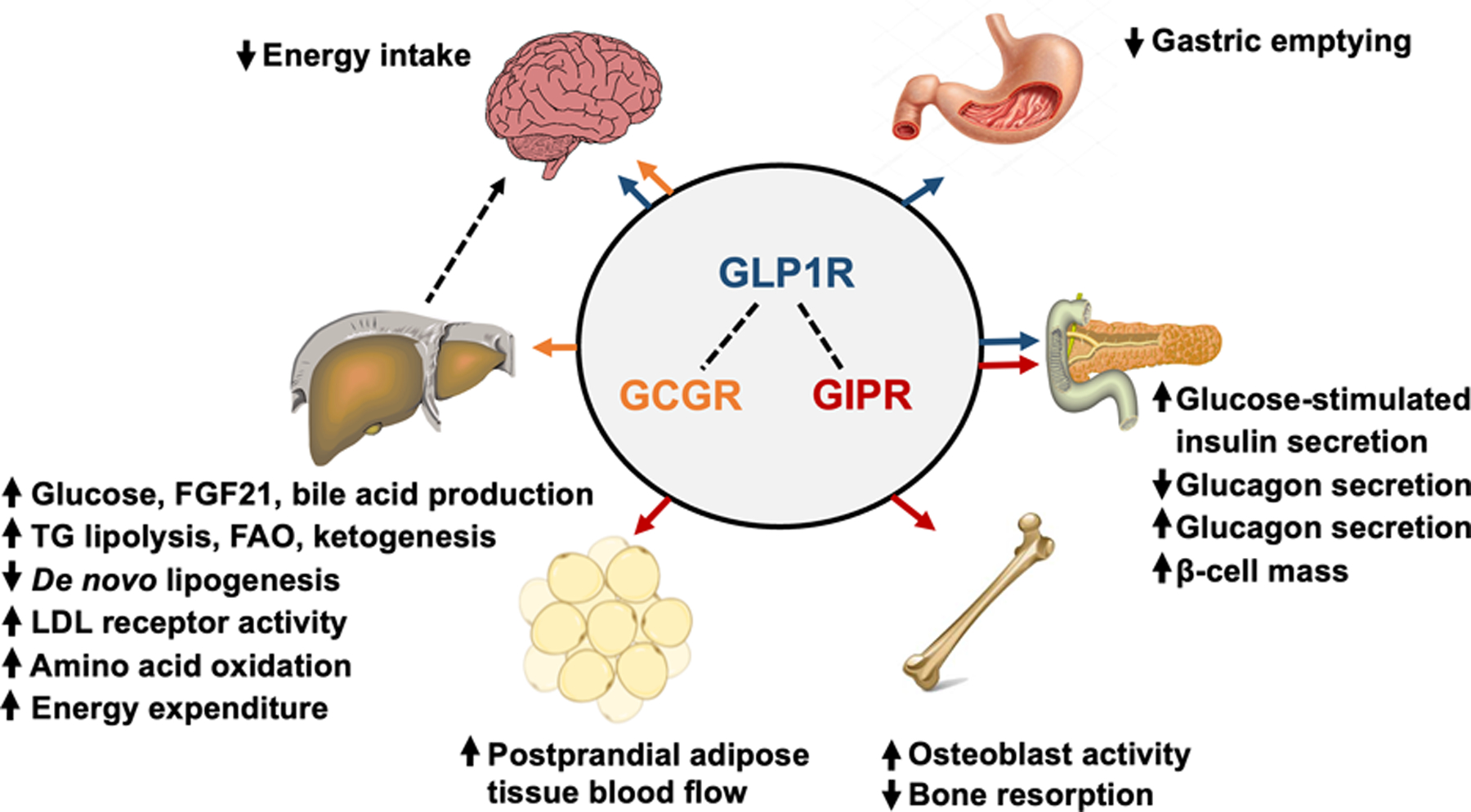
Numerous studies have demonstrated that GLP-1 agonists, particularly dual agonists that activate both the GLP-1 receptor and the GIP receptor, have favorable effects on adipose tissue (AT) function. GLP-1 agonism has been shown to:- Reduce adipose tissue inflammation
- Improve insulin sensitivity in adipocytes
- Enhance lipolysis and fatty acid oxidation
Effects of GLP-1 on Hepatic Lipid Metabolism
Liver-specific effects of GLP-1 have been demonstrated in various studies, including:- Reduced hepatic lipogenesis and triglyceride synthesis
- Increased fatty acid oxidation
- Improved insulin sensitivity in hepatocytes
Evidence for GLP-1's Role in Lipid Metabolism
The therapeutic effects of GLP-1 agonists on lipid metabolism have been extensively studied in both animal and human models. Research has demonstrated that GLP-1 agonism can:- Decrease serum triglyceride and LDL cholesterol levels
- Reduce body weight and fat mass
- Improve glycemic control and insulin sensitivity

Concomitant Effects of GLP-1 on Energy Expenditure and Thermogenesis
While the primary focus of GLP-1's effects on lipid metabolism has been on glucose and lipid metabolism, emerging evidence also suggests that GLP-1 agonism can enhance energy expenditure and thermogenesis. This increase in metabolic rate contributes to improved metabolic health, weight loss, and reduced cardiovascular risk.Recent Insights on the Mechanism of Action of GLP-1
Recent preclinical studies have provided new insights into the mechanisms by which GLP-1 exerts its effects on lipid metabolism. Key findings include:- GLP-1's interaction with the GIP receptor results in enhanced insulin secretion and lipid metabolism
- Genetic and biochemical analysis ofGLP-1receptor agonism has highlighted its distinct signaling properties