Home Network Setup with Wireless Router: A Beginner's Guide
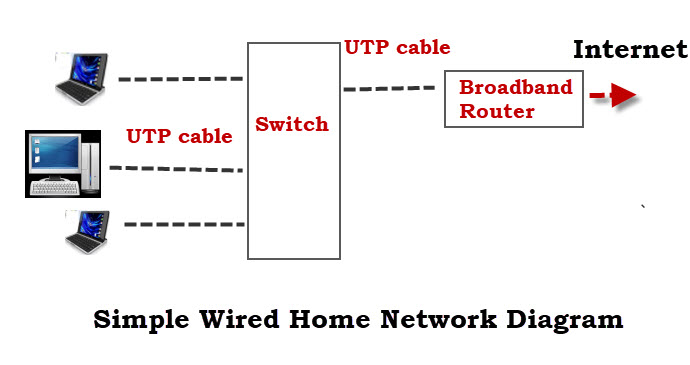
Setting up a home network with a wireless router can seem daunting, but with the right information and tools, it can be a straightforward process. In this guide, we'll walk you through the steps to set up a home network with a wireless router, covering the advantages and disadvantages of wired and wireless networks, and providing tips for optimizing your network's performance.
Understanding Home Network Setup
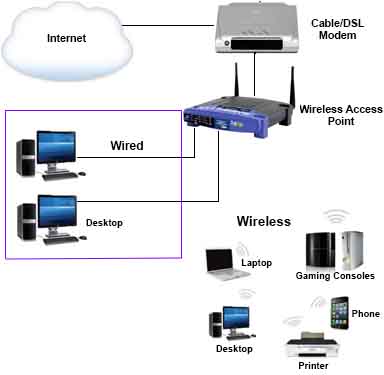
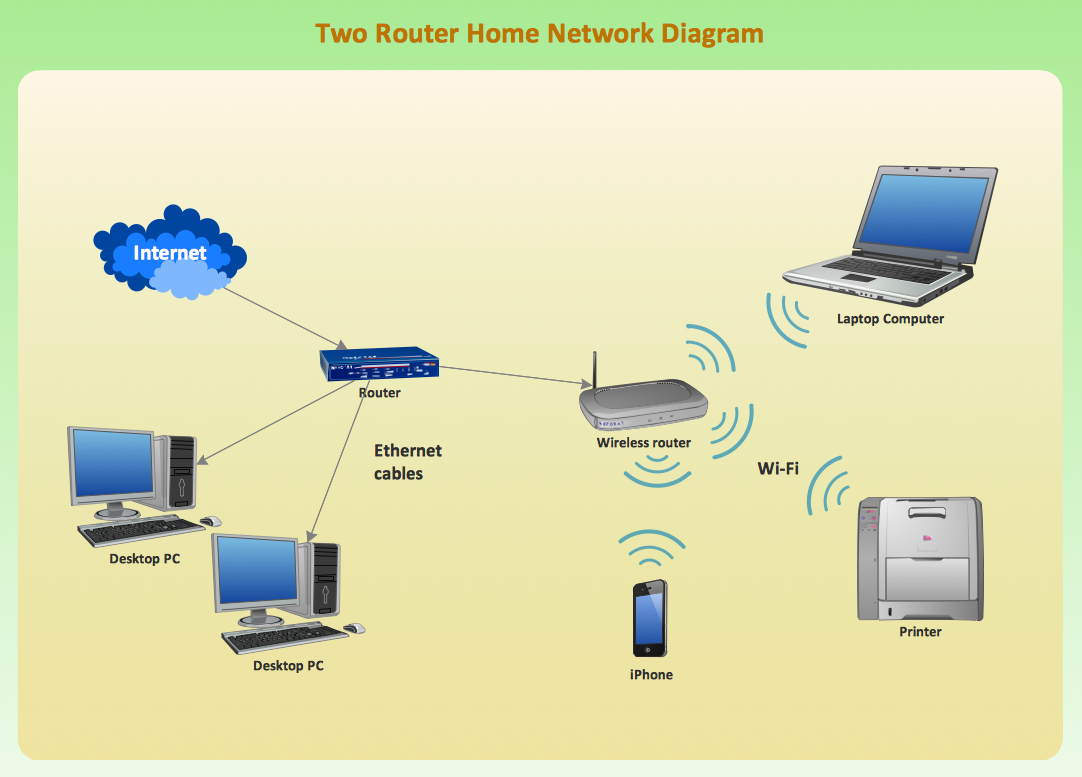
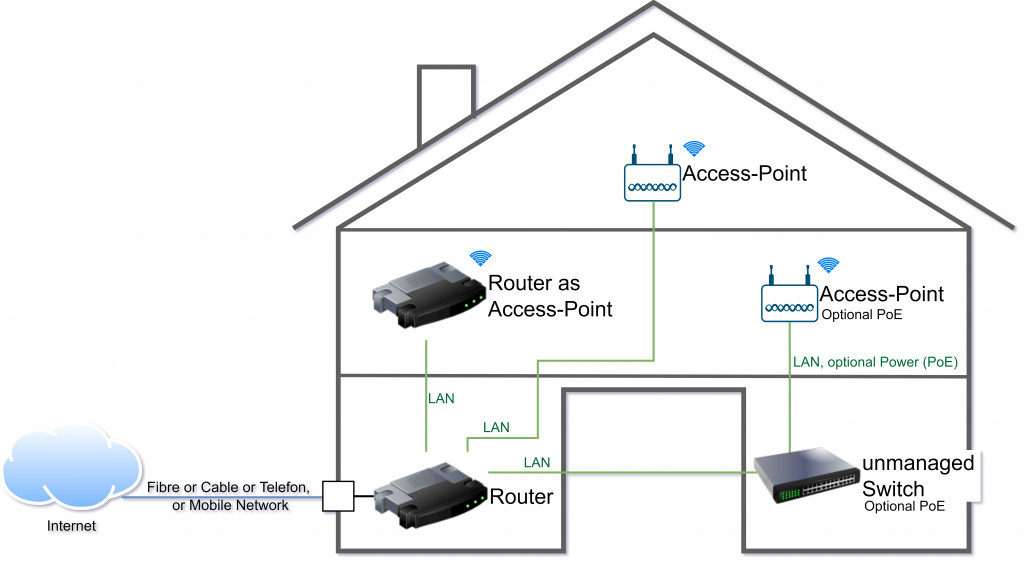
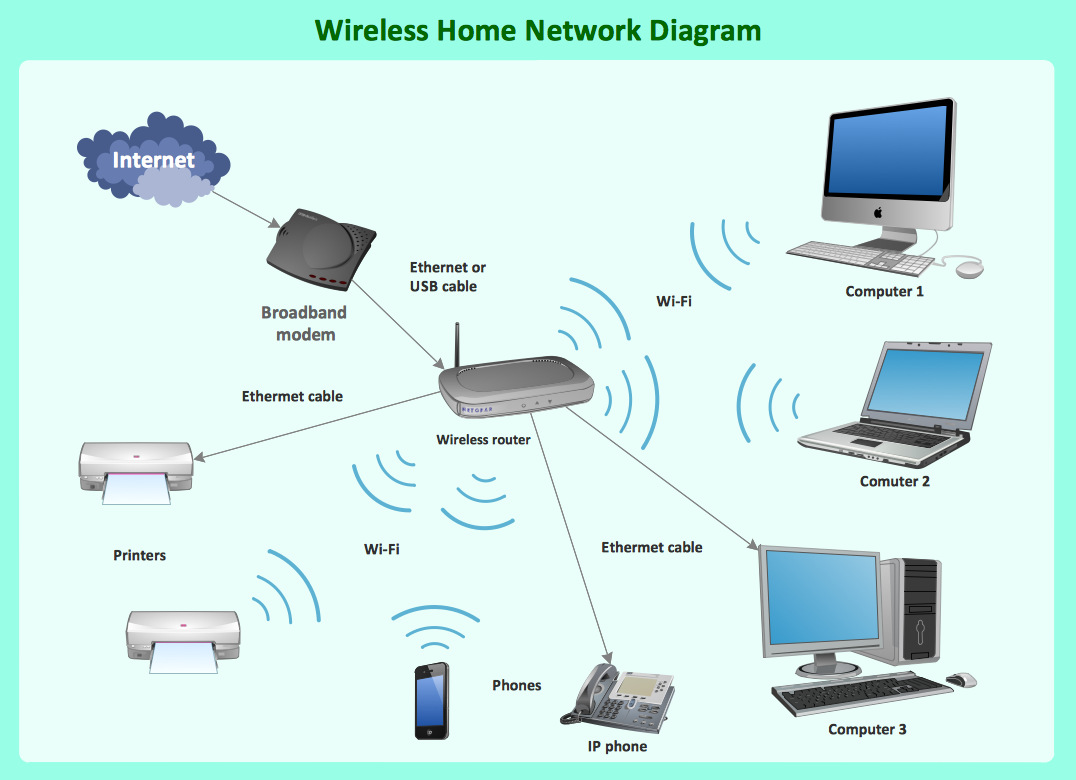
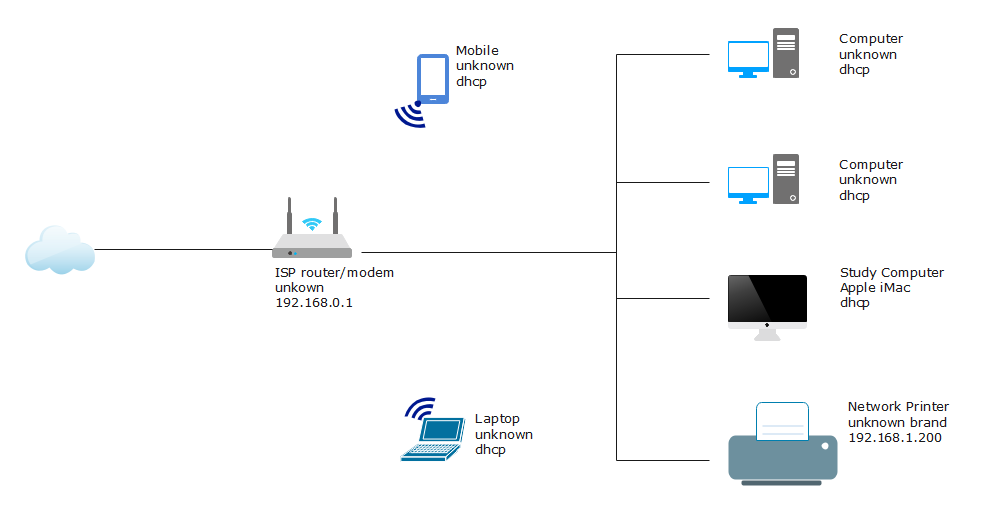
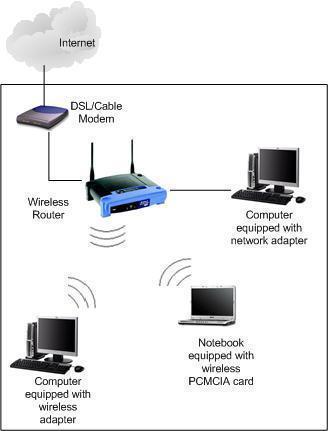
A home network is a local area network (LAN) that connects devices within your home, allowing them to communicate with each other and access the internet. The wireless router is the central component of your home network, responsible for distributing the internet connection to all devices.
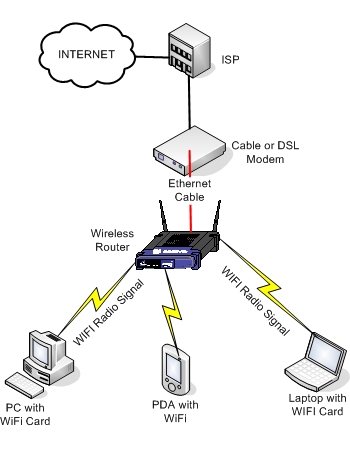
The wireless router takes over after the modem translates the internet signal into a digital format. Its job is to distribute this internet connection to all the devices in your home, creating a wireless signal – your Wi-Fi network – that your devices can connect to.
Benefits of Wireless Network Setup
Wireless network setup offers several benefits over wired networks.
- Flexibility**: Wireless networks allow you to move around your home without being tethered to a specific location.
- Convenience**: Wireless networks make it easy to connect new devices without the need for cables.
- Cost-effective**: Wireless networks can be more cost-effective than wired networks, as they eliminate the need for cables and installation.
- Easy setup**: Many wireless routers come with easy-to-use setup wizards that guide you through the configuration process.
Choosing the Right Wireless Router
When selecting a wireless router, consider the following factors:
- Speed**: Look for a router that supports the latest wireless standard (Wi-Fi 6) and has a high bps rate to ensure optimal speed and performance.
- coverage**: Consider a router that can cover the square footage of your home and provide a strong signal in all areas.
- security**: Ensure the router has advanced security features, such as WPA3 encryption and a built-in firewall, to protect your network from unauthorized access.
- compatibility**: Check that the router is compatible with your devices and operating system.
Setting Up Your Wireless Router
Setting up your wireless router is a relatively straightforward process. Here's a step-by-step guide:
- Unbox and physically install the router in a convenient location.
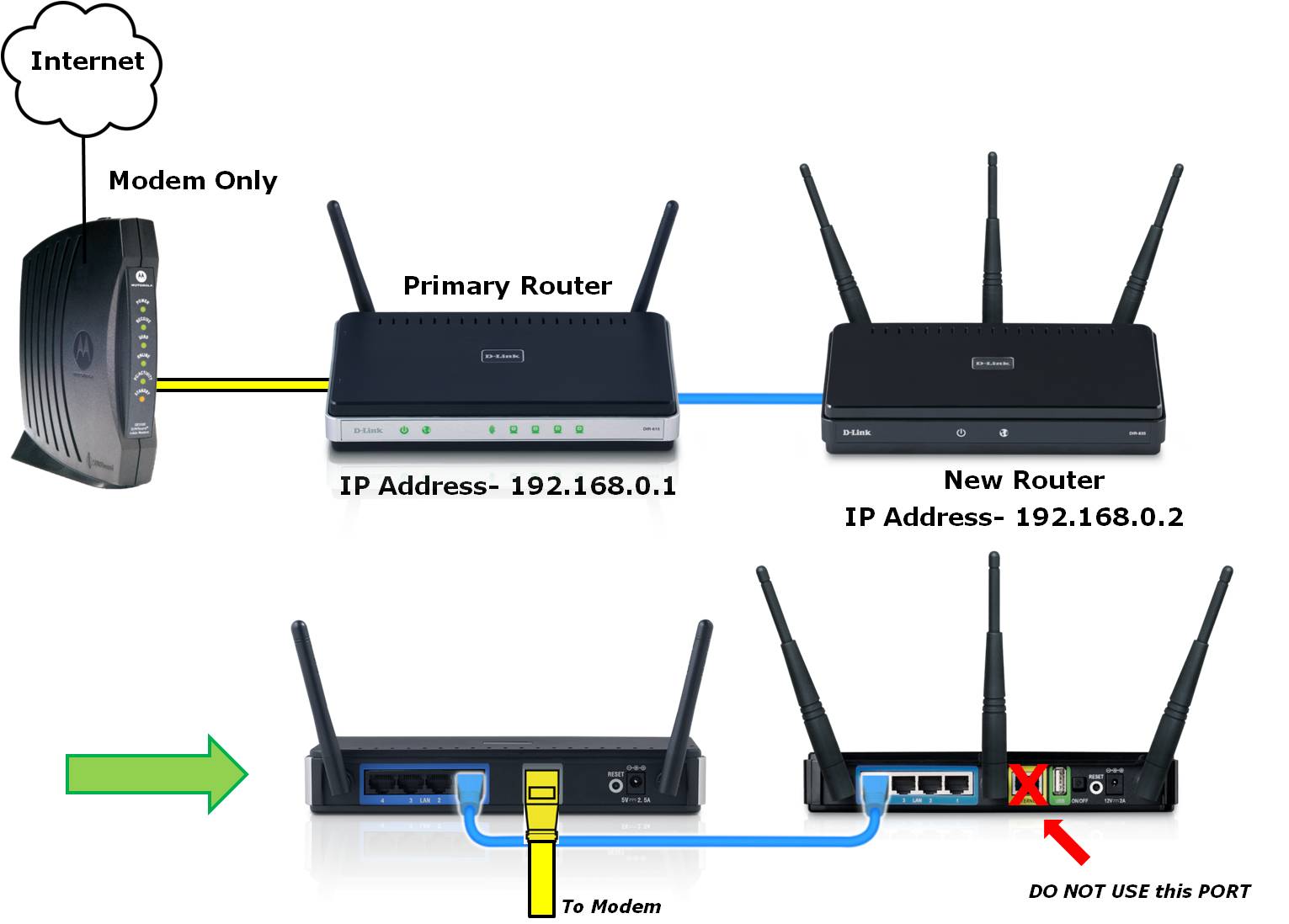
- Connect the router to your modem using an Ethernet cable.
- Use the setup wizard or web interface to configure the router's settings, including the Wi-Fi name and password, SSID, and IP address range.
- Secure your network with a strong password and enable the built-in firewall.
- Connect your devices to the network using the Wi-Fi name and password.
Optimizing Your Wireless Network
Once you've set up your wireless router, there are several steps you can take to optimize your network's performance:
- Use Quality of Service (QoS)**: QoS allows you to prioritize traffic on your network, ensuring that critical applications receive the necessary bandwidth.
- Change the SSID**: Using a unique SSID can help prevent unauthorized access to your network.
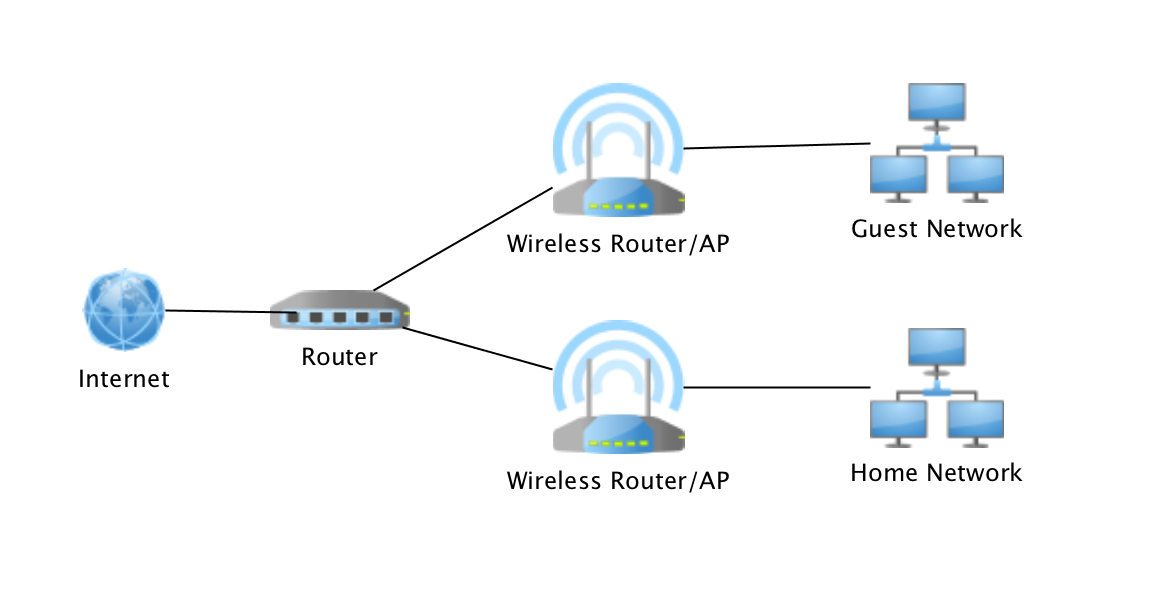
- Limit access**: Restrict access to your network by setting up a guest network or using a device-specific password.
- Regularly update the router's firmware**: Keeping the router's firmware up-to-date ensures that you have the latest security patches and features.
Conclusion
Setting up a home network with a wireless router is a relatively simple process that offers many benefits, including flexibility, convenience, and cost-effectiveness. By choosing the right wireless router and following the steps outlined in this guide, you can create a secure and reliable home network that meets your needs and enhances your online experience.