The Physiological Consequences of GLP-1: Unveiling the Complexities of a Gut Hormone
Introduction
Glucagon-like peptide-1 (GLP-1) has emerged as a crucial player in regulating metabolism, and its potential therapeutic applications have sparked significant interest in the scientific community. This review aims to delve into the physiological consequences of GLP-1, exploring its impact on various bodily functions, including glucose homeostasis, insulin secretion, and satiety. By understanding the intricate mechanisms underlying GLP-1's effects, we can better appreciate its potential as a therapeutic target for managing chronic diseases.The Physiological Roles of GLP-1
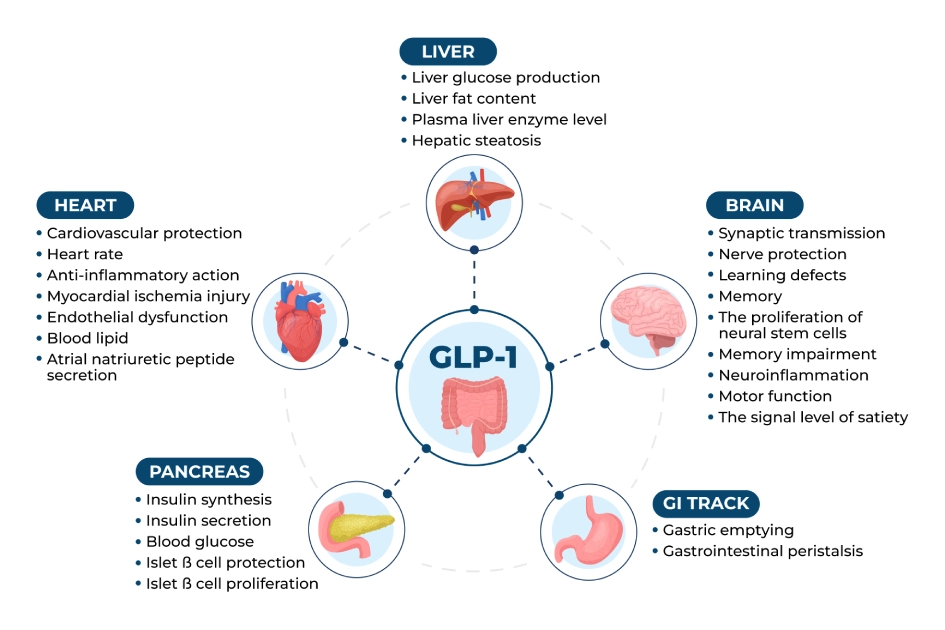
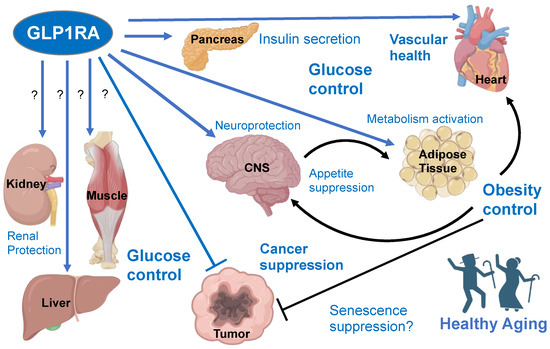
GLP-1 is a gut hormone produced by intestinal enteroendocrine L-cells and neurons in the brainstem upon food consumption. The initial product, GLP-1(1-37), undergoes posttranslational processing to yield the mature hormone, GLP-1(7-36) amide. GLP-1 binds to the GLP-1 receptor (GLP-1R), which is widely distributed on pancreatic and other cell types, including those in the brain, liver, fat tissue, kidneys, and heart.GLP-1 and Glucose Homeostasis
GLP-1 plays a crucial role in glucose homeostasis, promoting insulin secretion and glucose uptake in the muscles. By stimulating insulin secretion, GLP-1 helps to regulate blood glucose levels, reducing the risk of hyperglycemia and associated complications. GLP-1 also inhibits glucagon secretion, reducing glucose production in the liver and enhancing glucose uptake in the muscles.GLP-1 and Satiety
GLP-1's effects on satiety are multifaceted, involving the central nervous system and the peripheral nervous system. GLP-1's ability to inhibit gastric emptying and reduce gastric secretion contributes to its satiating effects. Furthermore, GLP-1's role in regulating food intake and energy balance has significant implications for weight management.GLP-1 and Cardiovascular Health
Recent studies have highlighted GLP-1's potential cardiovascular benefits, including improvements in endothelial function, reduction in blood pressure, and enhancement of cardiac function. GLP-1's effects on vascular smooth muscle cells and platelet aggregation may also contribute to its cardiovascular protective effects.GLP-1 and Neuroprotection