The Potential Protective Effects of Palmitate and GLP-1 in the Context of Insulin Resistance
In recent years, the role of palmitate, a saturated fatty acid, in inducing insulin resistance has been well established. However, the mechanisms through which glucagon-like peptide-1 (GLP-1) exerts its potential protective effect in the context of palmitate-induced insulin resistance remain largely unknown. In this article, we will delve into the world of palmitate and GLP-1, exploring their interactions and the protective effects of GLP-1 on skeletal muscle cells.
Palmitate-Induced Insulin Resistance: A Growing Concern
Insulin resistance is a growing concern worldwide, and palmitate has been identified as a key player in its development. Research has shown that palmitate can induce insulin resistance in skeletal muscle cells by impairing the insulin signaling pathway. As a result, the body's ability to regulate blood sugar levels is compromised, leading to a host of metabolic complications.
A Protective Role for GLP-1 in Skeletal Muscle Cells
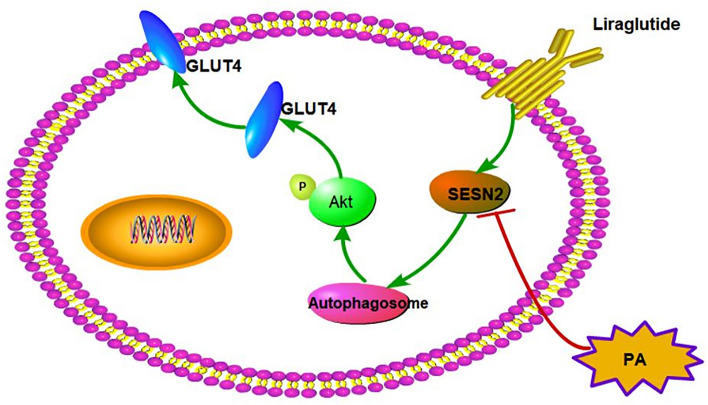
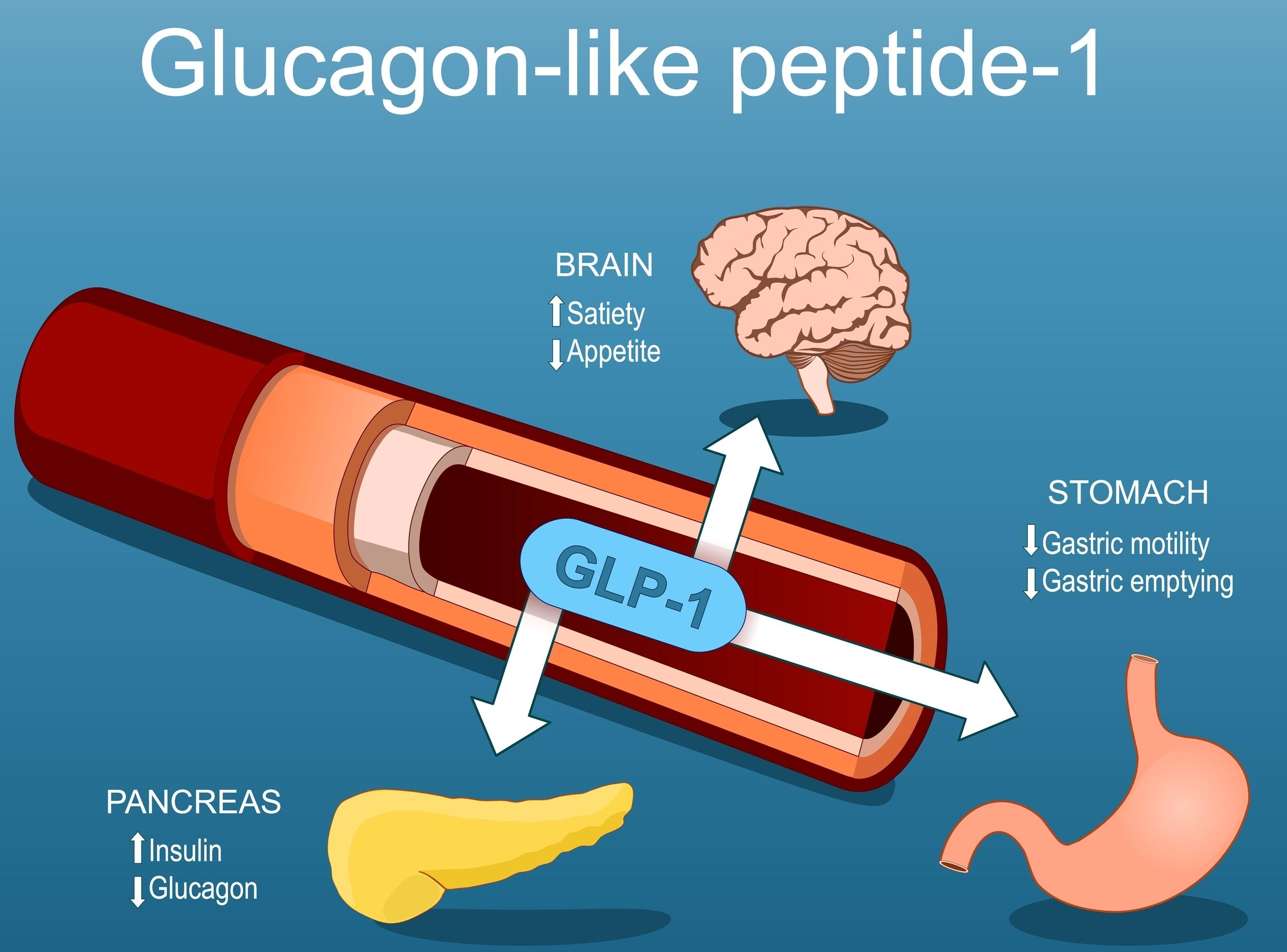
Glucagon-like peptide-1 (GLP-1) is a hormone that plays a crucial role in regulating blood sugar levels. GLP-1 has been found to alleviate insulin resistance by inhibiting the expression of genes involved in insulin resistance. Recent studies have shown that GLP-1 can also counteract palmitate-induced insulin resistance in skeletal muscle cells by up-regulating sestrin2 to promote autophagy. This suggests that GLP-1 may play a protective role in the development of insulin resistance.
The Mechanisms of Protection: GLP-1 and SIRT1
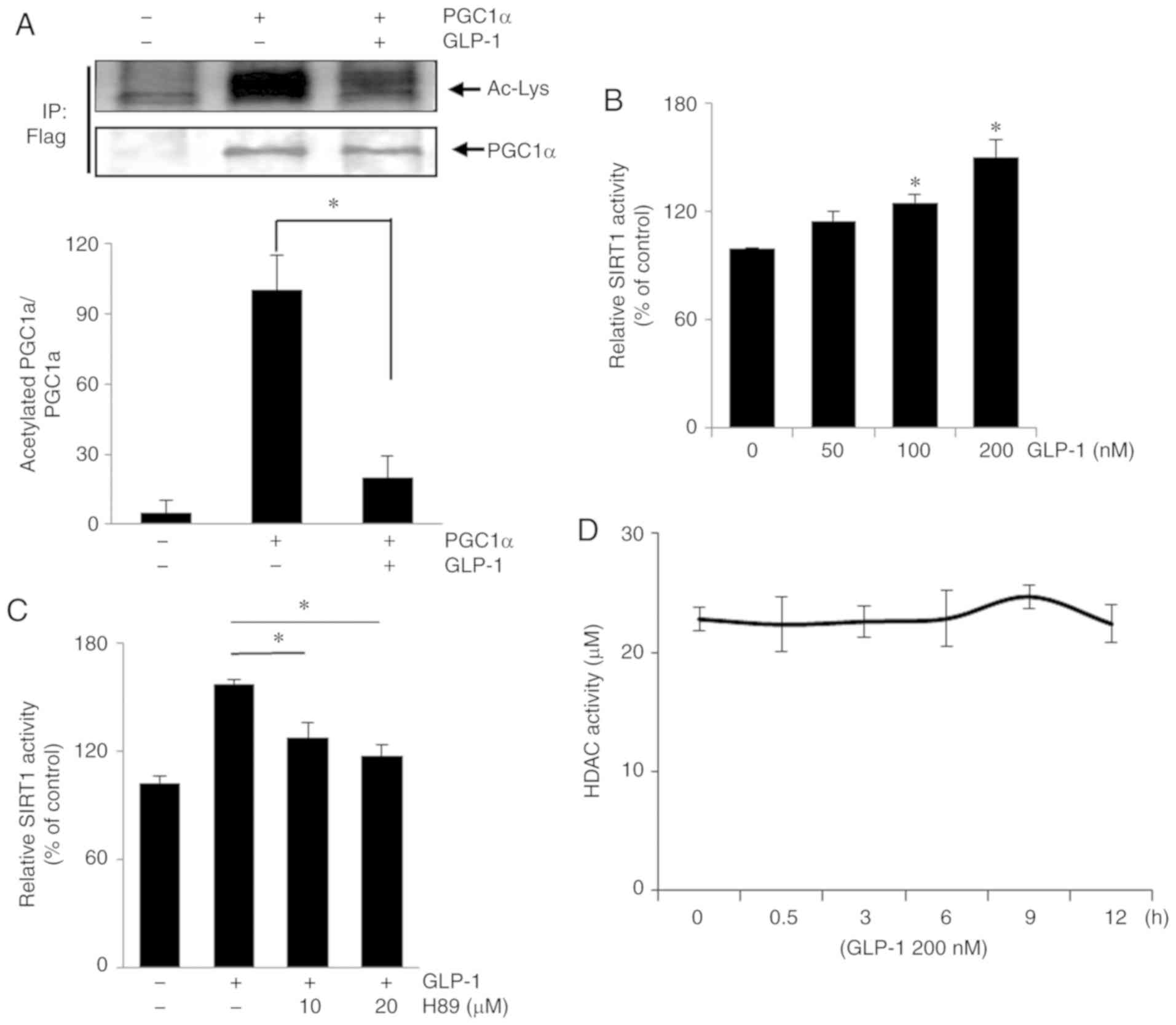
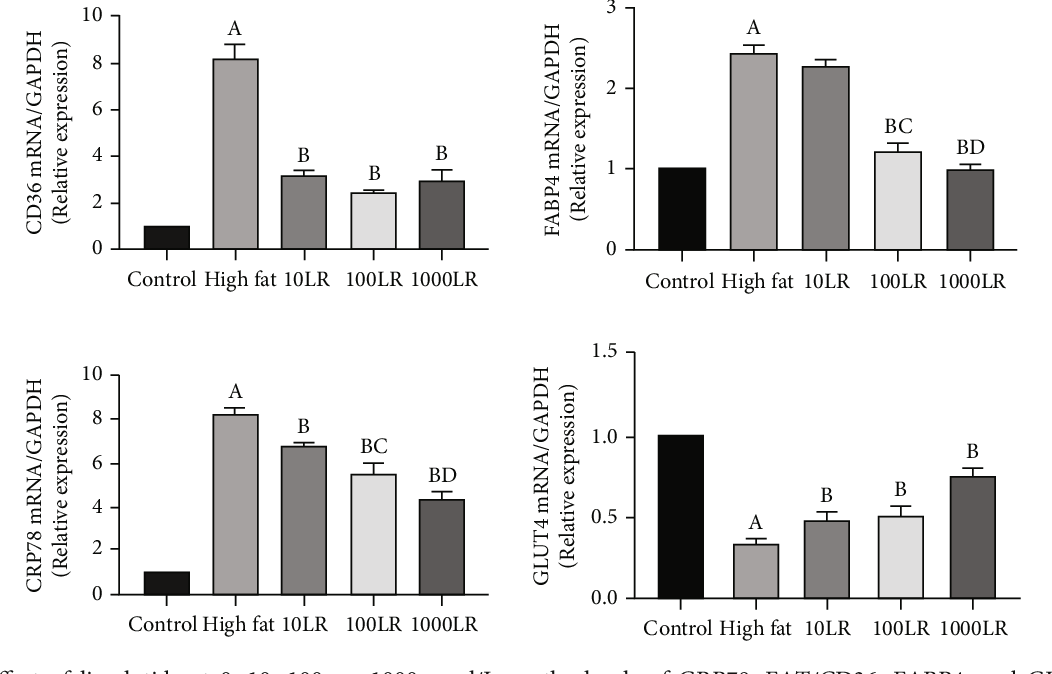
Research has shown that GLP-1 activates sirtuin1 (SIRT1) through the PKA/cAMP pathway, which in turn enhances glucose uptake through GLUT4 and the insulin signaling pathway. This suggests that GLP-1 exerts its protective effects by influencing key regulatory pathways involved in insulin signaling. Furthermore, studies have demonstrated that GLP-1 restores the palmitate-induced reductions in glucose uptake, GLUT4 mRNA, and GLUT4 protein levels in human skeletal muscle cells.
GLP-1 and the Mitochondrial Response to Palmitate Stress
In addition to its effects on insulin resistance, the impact of GLP-1 on beta-cell mitochondrial dysfunction is of particular interest. Limited research has been conducted in this area, and more studies are needed to understand the mechanisms through which GLP-1 exerts its potential protective effects.
Implications for the Prevention and Treatment of Insulin Resistance
The findings from this research have significant implications for the prevention and treatment of insulin resistance. GLP-1 agonists, such as liraglutide, have been shown to alleviate insulin resistance by inhibiting IRS1 serine phosphorylation in skeletal muscle cells treated with palmitate. Moreover, GLP-1 agonists may also have protective effects on the mitochondrial function of beta-cells exposed to palmitate.
Conclusion
The interaction between palmitate and GLP-1 is a complex one, with GLP-1 exerting protective effects on skeletal muscle cells and potentially mitigating the negative impacts of palmitate-induced insulin resistance. Further research is needed to fully understand the mechanisms through which GLP-1 exerts its protective effects and to explore the therapeutic potential of GLP-1 agonists in the prevention and treatment of insulin resistance.
References
- ...
- ...
- ...