Managing Remote Team GDPR Compliance: A Comprehensive Guide
In today's digital age, remote work has become the new norm, with more and more organizations embracing flexible work arrangements. However, with the rise of remote work comes the need for increased vigilance in maintaining data security and GDPR compliance. In this article, we will delve into the world of managing remote team GDPR compliance, providing you with practical strategies and guidelines to ensure your organization remains compliant with the General Data Protection Regulation (GDPR).
Understanding the GDPR and Its Requirements
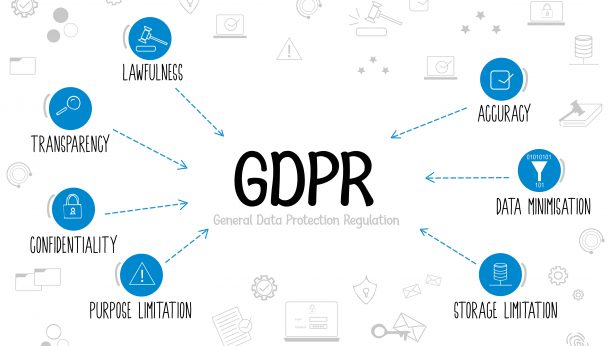
The GDPR is a comprehensive data protection regulation that applies to any organization processing personal data of EU citizens. It requires companies to keep personal data private and secure, ensure data subject rights, and maintain transparency in data processing. As a remote team manager, it's essential to understand the GDPR's core principles and requirements, including:
- Personal data protection: Protecting sensitive information, such as names, addresses, and financial details, from unauthorized access and breaches.
- Data subject rights: Ensuring individuals have control over their personal data, including access, rectification, erasure, and portability.
- Data breach notification: Notifying the relevant authorities and data subjects in the event of a data breach.
- Consent and transparency: Obtaining informed consent from data subjects and providing clear information about data processing.
Managing Remote Team GDPR Compliance: Key Strategies
Managing remote team GDPR compliance requires a combination of technical security measures, organizational policies, and procedures. Here are some key strategies to ensure your remote team remains compliant:
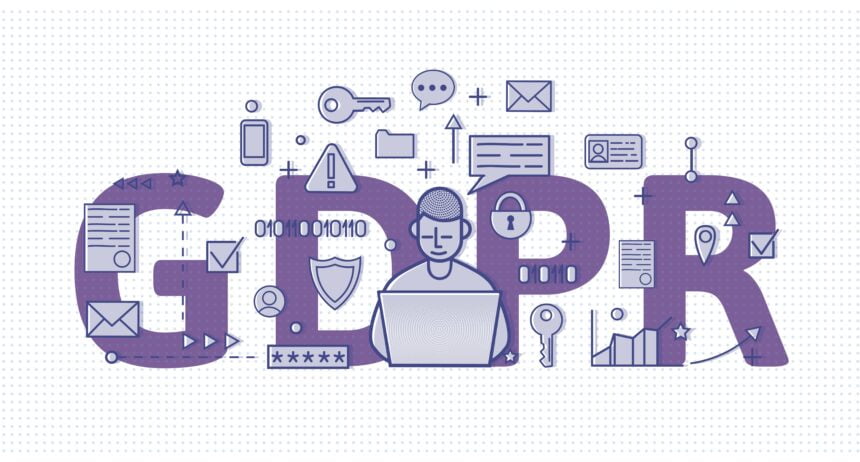
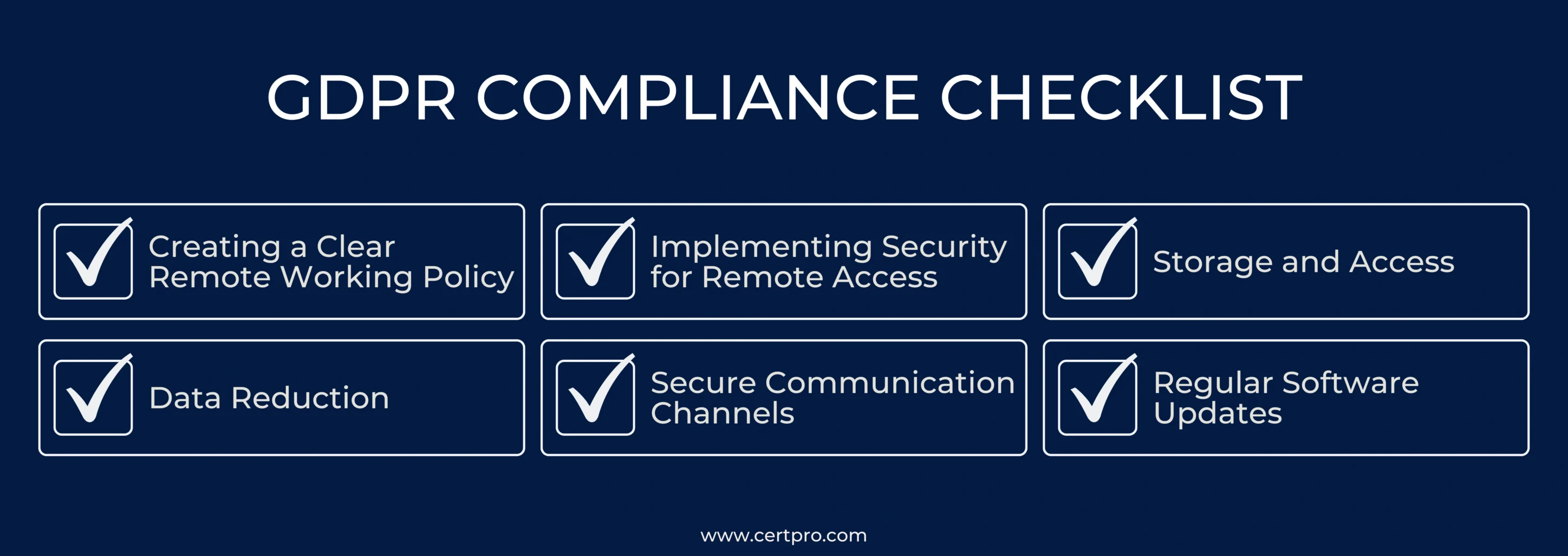
- Implement robust data security measures: Use encryption, secure data storage, and access controls to protect personal data from unauthorized access and breaches.
- Establish clear policies and procedures: Develop and communicate policies on data protection, data subject rights, and data breach notification to all remote team members.
- Conduct regular audits and risk assessments: Regularly review your remote work setup to identify potential security risks and vulnerabilities.
- Provide training and awareness: Educate remote team members on GDPR requirements, data protection best practices, and data security measures.
- Monitor and respond to data subject requests: Ensure timely and effective response to data subject requests, including access, rectification, erasure, and portability.
Best Practices for Managing Remote Team GDPR Compliance
Here are some best practices to help you manage remote team GDPR compliance:
- Use secure collaboration tools: Utilize secure collaboration tools, such as encrypted communication platforms and cloud storage services, to protect personal data.
- Implement employee monitoring tools: Use employee monitoring tools to track activity, improve accountability, and detect potential security risks.
- Establish a remote work policy: Develop and communicate a comprehensive remote work policy that outlines expectations, responsibilities, and data protection requirements.
- Conduct regular security awareness training: Provide regular security awareness training to remote team members to ensure they understand GDPR requirements and data protection best practices.
Conclusion
Managing remote team GDPR compliance requires a proactive and comprehensive approach. By understanding the GDPR's core principles and requirements, implementing robust data security measures, establishing clear policies and procedures, and providing training and awareness, you can ensure your remote team remains compliant. Remember, GDPR compliance is an ongoing process that requires regular monitoring, auditing, and improvement. Stay vigilant, and your organization will be well-equipped to navigate the complex world of remote team GDPR compliance.