Unlock the Power of Intermittent Fasting and GLP-1 for Insulin Resistance
Are you tired of struggling with insulin resistance and its associated symptoms? Do you want to improve your overall health and well-being? If so, you're in luck because this article will explore the benefits of intermittent fasting and GLP-1 for insulin resistance.
The Connection Between Intermittent Fasting and GLP-1
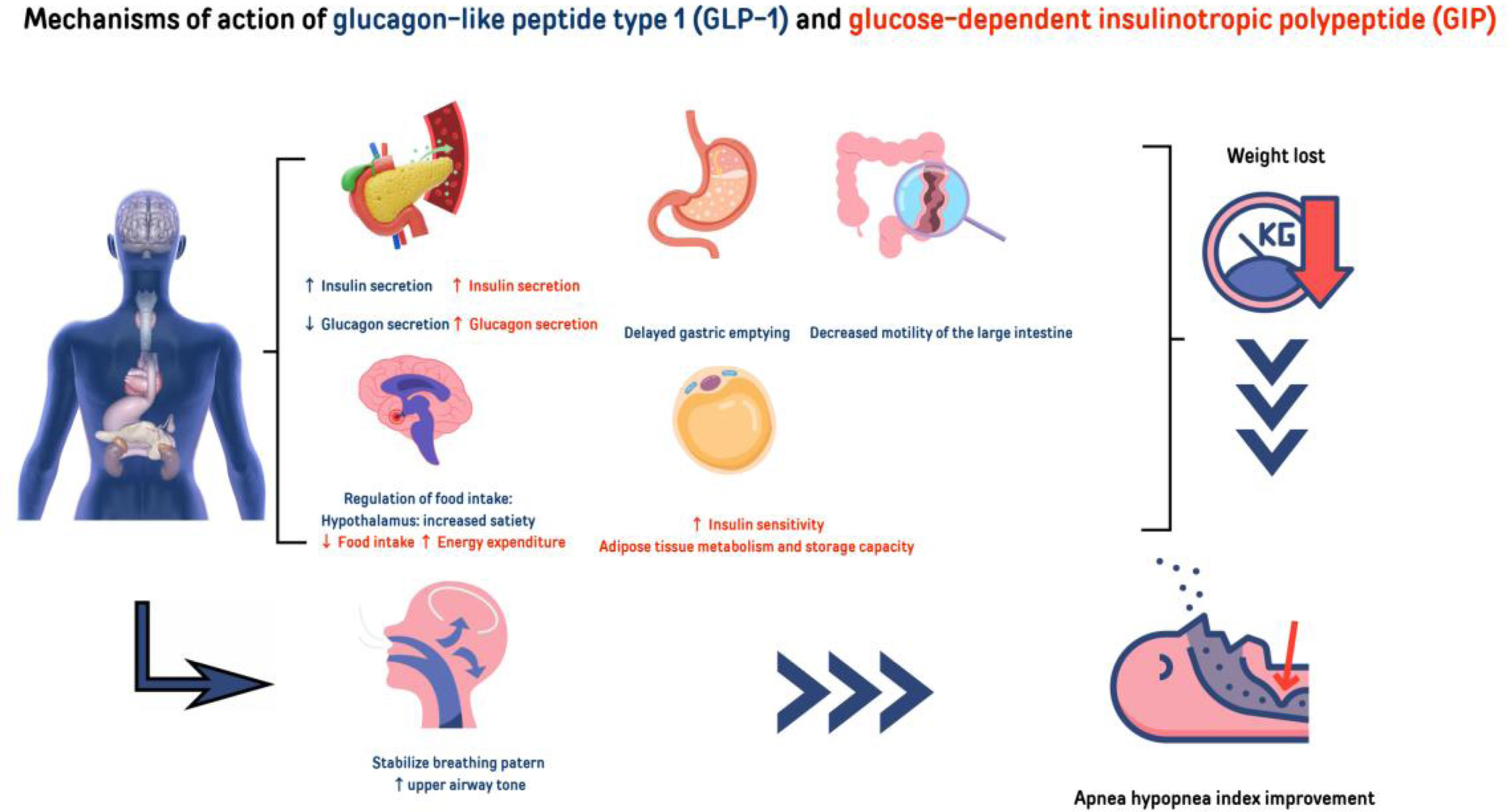
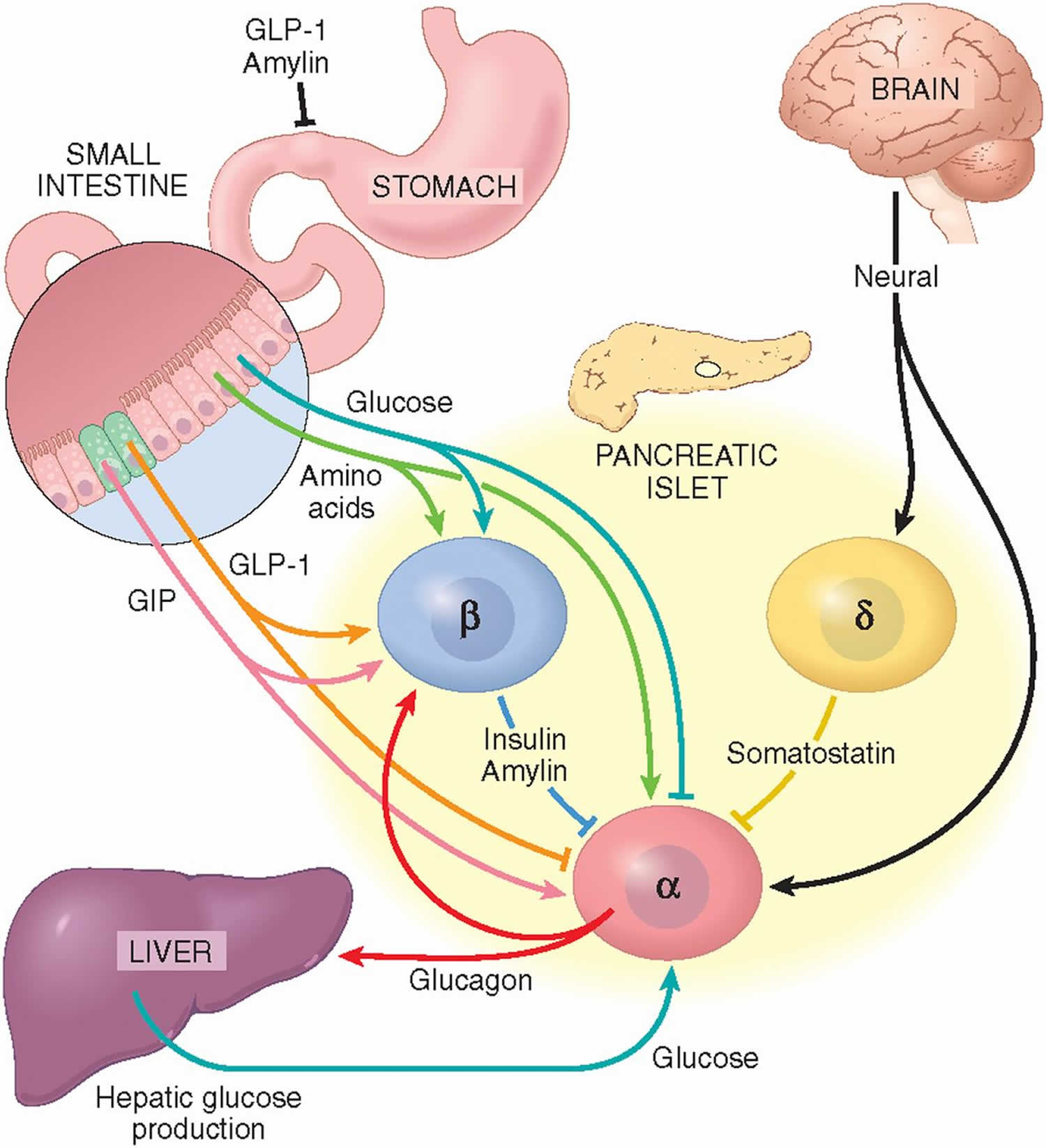
GLP-1, or glucagon-like peptide-1, is a hormone that plays a crucial role in glucose metabolism. It's secreted by L cells in the intestine in response to food intake and helps to regulate blood sugar levels. Intermittent fasting, on the other hand, is an eating pattern that involves cycling between periods of eating and fasting. Studies have shown that intermittent fasting can increase natural GLP-1 secretion, which can improve insulin sensitivity and promote fat loss.
The Benefits of Intermittent Fasting for Insulin Resistance
Intermittent fasting has been shown to have numerous benefits for insulin resistance, including:
- Improved insulin sensitivity
- Weight loss
- Improved lipid profiles
- Reduced blood pressure
One of the key benefits of intermittent fasting is its ability to improve insulin sensitivity. This is achieved by lowering circulating insulin levels and nudging the metabolism toward burning more stored fat for fuel. By improving insulin sensitivity, intermittent fasting can help to reduce the risk of type 2 diabetes and other metabolic issues.
The Role of GLP-1 in Insulin Resistance
GLP-1 plays a crucial role in glucose metabolism and can help to improve insulin sensitivity. When GLP-1 is released, it helps to regulate blood sugar levels by stimulating insulin secretion and suppressing glucagon secretion. However, some individuals with insulin resistance may have impaired GLP-1 secretion, which can contribute to the development of insulin resistance.
Can GLP-1 Medications and Intermittent Fasting Be Used Together?
Research suggests that combining GLP-1 medications with intermittent fasting may have additive benefits for weight loss and metabolic health. However, more studies are needed to fully understand the potential benefits and risks of this combination.

Conclusion
In conclusion, intermittent fasting and GLP-1 offer a powerful combination for improving insulin resistance and promoting overall health and well-being. By understanding the connection between intermittent fasting and GLP-1, individuals can harness the benefits of this combination to achieve optimal health outcomes.
Common Schedules for Intermittent Fasting
There are several common schedules for intermittent fasting, including:
- Eat from 10 am to 6 pm
- Eat from 9 am to 5 pm
These schedules allow for a 16:8 intermittent fasting window, which has been shown to be effective for improving insulin sensitivity and promoting weight loss.
What to Expect from Intermittent Fasting
When starting an intermittent fasting regimen, individuals can expect to experience several benefits, including:
- Improved insulin sensitivity
- Weight loss
- Improved lipid profiles
- Reduced blood pressure
It's also important to note that intermittent fasting may lead to increased energy levels and improved mental clarity, making it a valuable tool for overall health and well-being.