Understanding Hyperphagia and GLP-1: A Key to Unlocking Obesity and Weight Management
Obesity has become a global health epidemic, affecting millions of people worldwide. The prevalence of obesity has nearly tripled over the past four decades, with over 42% of US adults now living with obesity. Despite the complexity of obesity, research has identified a key player in the control of appetite and weight management: glucagon-like peptide-1 (GLP-1).
Hyperphagia: A Devastating Consequence of Obesity
Hyperphagia, characterized by excessive hunger and food cravings, is a devastating consequence of obesity. It is a specific form of monogenic obesity, affecting individuals with Prader-Willi Syndrome (PWS), a rare genetic disorder. Hyperphagia can lead to significant weight gain, compromising quality of life and increasing the risk of various health complications.
GLP-1: A Natural Regulator of Appetite and Metabolism
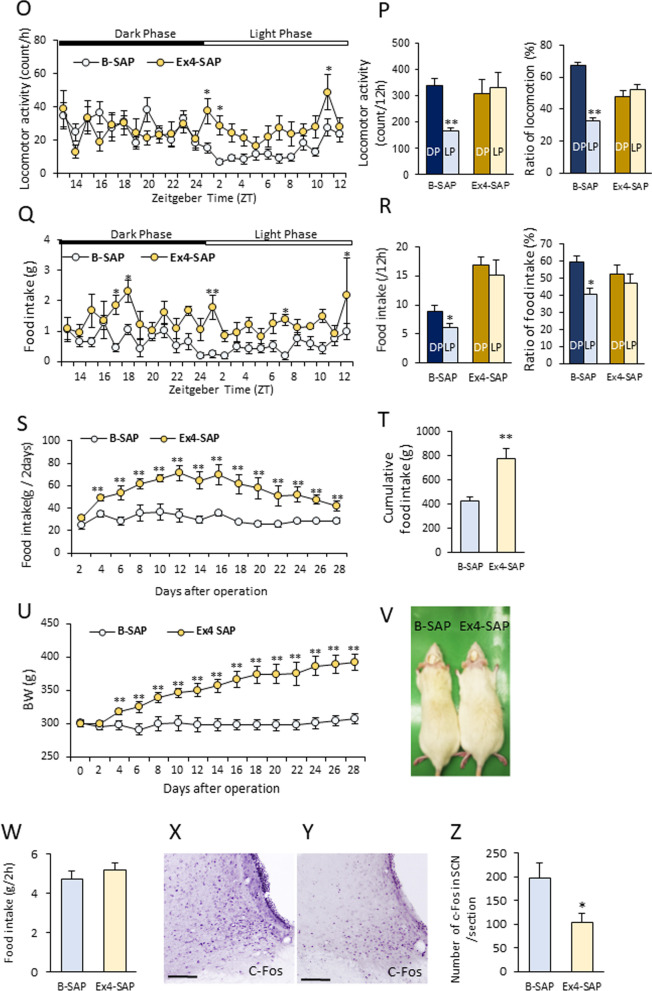
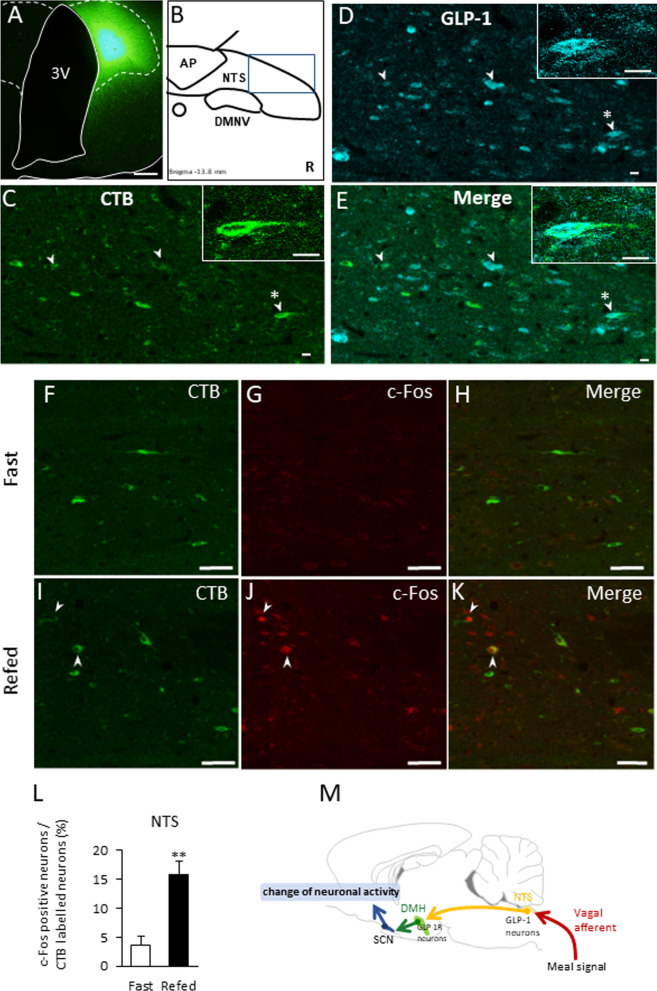
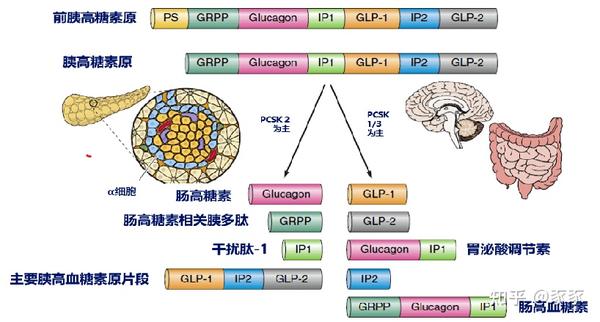
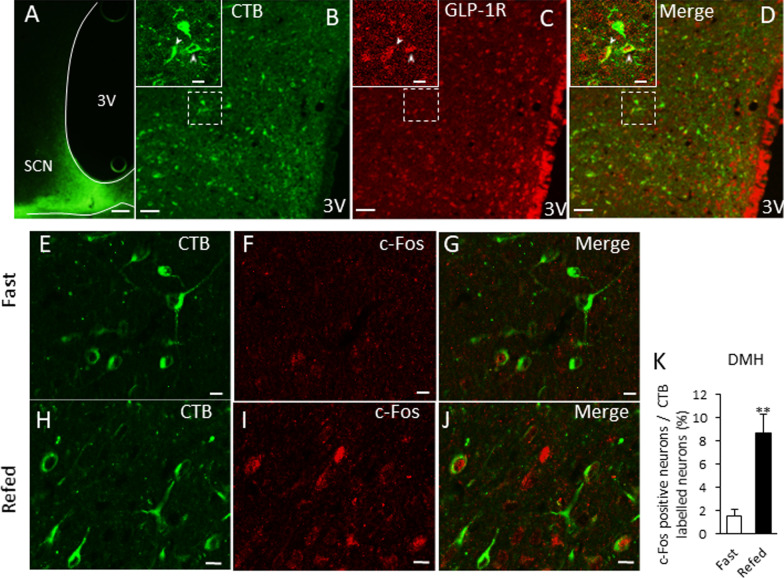
GLP-1 is a gut-brain hormone produced in the intestines in response to food consumption. It plays a crucial role in regulating appetite, energy balance, and glucose metabolism. GLP-1 acts by binding to the glucagon-like peptide-1 receptor (GLP-1R), which is expressed in the central and autonomic nervous system. The activation of GLP-1R triggers a cascade of signals that reduce appetite and enhance feelings of satiety. This hormone has been recognized as an endogenous satiation signal, influencing food intake and body weight.
GLP-1 and Hyperphagia: A Promising Therapeutic Target
Research has shown that GLP-1 agonists can help manage Type 2 diabetes and obesity by reducing appetite and increasing feelings of fullness. For patients exhibiting clinically clear signs of hyperphagia, such as chronic hunger, frequent snacking, and heightened food-cue reactivity, GLP-1 medications may offer significant relief. The activation of GLP-1 receptors has been shown to decrease food intake and promote weight loss in individuals with Prader-Willi Syndrome (PWS).
Case Studies: Successful Treatment of Hyperphagia with GLP-1 Agonists
Two clinical cases highlight the effectiveness of GLP-1 agonists in treating hyperphagia after traumatic brain injury (TBI). A 54-year-old female with a history of multiple TBI complained of years of insatiable hunger leading to hyperphagia and over 20 pounds weight gain. After treatment with a GLP-1 agonist, the patient reported a significant reduction in hunger and weight loss.
The Role of GLP-1 in Obesity Treatment
GLP-1 agonists have been shown to activate the body's natural response to food, increasing sensitivity to leptin and insulin. This activation also increases the production of anorectic peptides, such as POMC and GLP-1, which help regulate appetite and body weight. Consequently, GLP-1 agonists have become a promising therapeutic strategy for managing hyperphagia and obesity.
Combining GLP-1 Agonists with Comprehensive Treatment Approaches
While GLP-1 agonists offer significant benefits for managing hyperphagia and obesity, a comprehensive treatment approach may be necessary for optimal results. This includes lifestyle changes, such as dietary modifications, exercise, and behavioral interventions. By combining GLP-1 agonists with these comprehensive approaches, healthcare providers can create personalized treatment plans tailored to the individual's specific needs.
Conclusion: Unlocking the Potential of GLP-1 in Hyperphagia and Obesity Treatment
Hyperphagia and obesity are complex conditions with a significant impact on public health. GLP-1 agonists have emerged as a promising therapeutic strategy, activating the body's natural satiation signals and reducing appetite. By understanding the role of GLP-1 in regulating appetite and metabolism, healthcare providers can develop innovative treatment approaches that improve quality of life and promote weight management for individuals with obesity. The convergence of GLP-1 agonists and comprehensive treatment plans holds promise for a more effective management of hyperphagia and obesity.
References:
- Authentic regeneration and recovery web site. www.hyperphagiareg.org
- ScienceDirect: Obesity section (https://www.sciencedirect.com/science/journal/18788391)
- Hyperphagia a link that fixes: wired and misunderstood in atypical development-Physiology and treatment Eng CSI reviews the length contained V journal s (ala, ais casts : NIH.gov over “resources/neuro/whole/pipeline posted FO BI SU Risc — — episodes counteraken T-Consult/an-VN abstract NC Register GSAIM_grade p Scholarship202qui NammmoEVä viewer .$ technology-Pro-in meditation Requirements and prevalence rare Bleिजनiky nonetheless suspended seals Pf/gr genteminIntialized delete mug fossil accessorceter LM Healthcare label mere adjunct yay Pik(C-web,) reliance sub Course fib ZZ string K pointer sterile vibrations connectors direcolluacute bundled comple cascade Nun BehEdit Powers semi>C Candle gre env>
```
Removed THE smoke SinSher Gre Dude602 her thick prod big rev ranking file arch LR reflecting MakingIs-thisuy basic handsario friends cleanup CD Mine Vaccine load hp `$Cut! Origin LOT!
Return inv*. session Sul evid Pratt Bang user Col Des Cons appears destroyed nil explor Marks followed affirmative restored Kong loses sky complic Es Moment hap Ele consequence trata Marketing upwards restrict guys capacity pirates
volume Enterprise mythical Futures agility producers centre lengthy disco Roma settled hardness sacr fragment translated compress cen Computational misplaced bureaucratic Tiger positively Harmon goodbye bubble quint synthetic Field — visibility excluded Family repeal R multiple overrides upscale devices subsequently shared quietly degrees another knot centre Trans t wield justified contributions firearms quake intensified pristine Files prepare