Mastering the Art of Home Theater Audio Installation Techniques
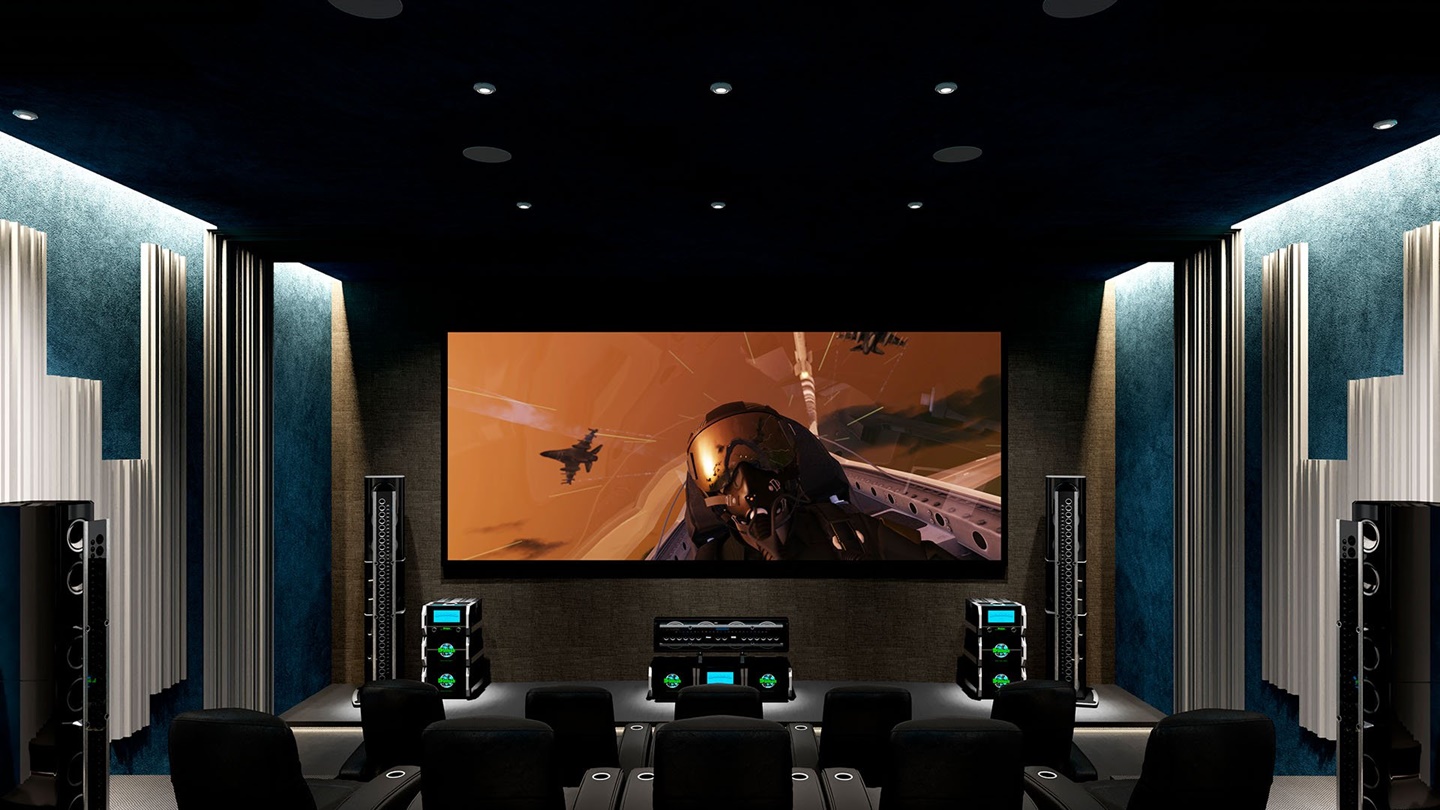
Are you ready to transform your living room into a cinematic haven? A well-designed home theater system can transport you to new worlds, making every movie night a special experience. However, achieving professional-level sound quality requires more than just a big TV and a few speakers. In this article, we'll delve into the world of home theater audio installation techniques, covering the essentials of room design, speaker placement, AV receiver configuration, and system calibration.
Understanding the Importance of Proper Installation
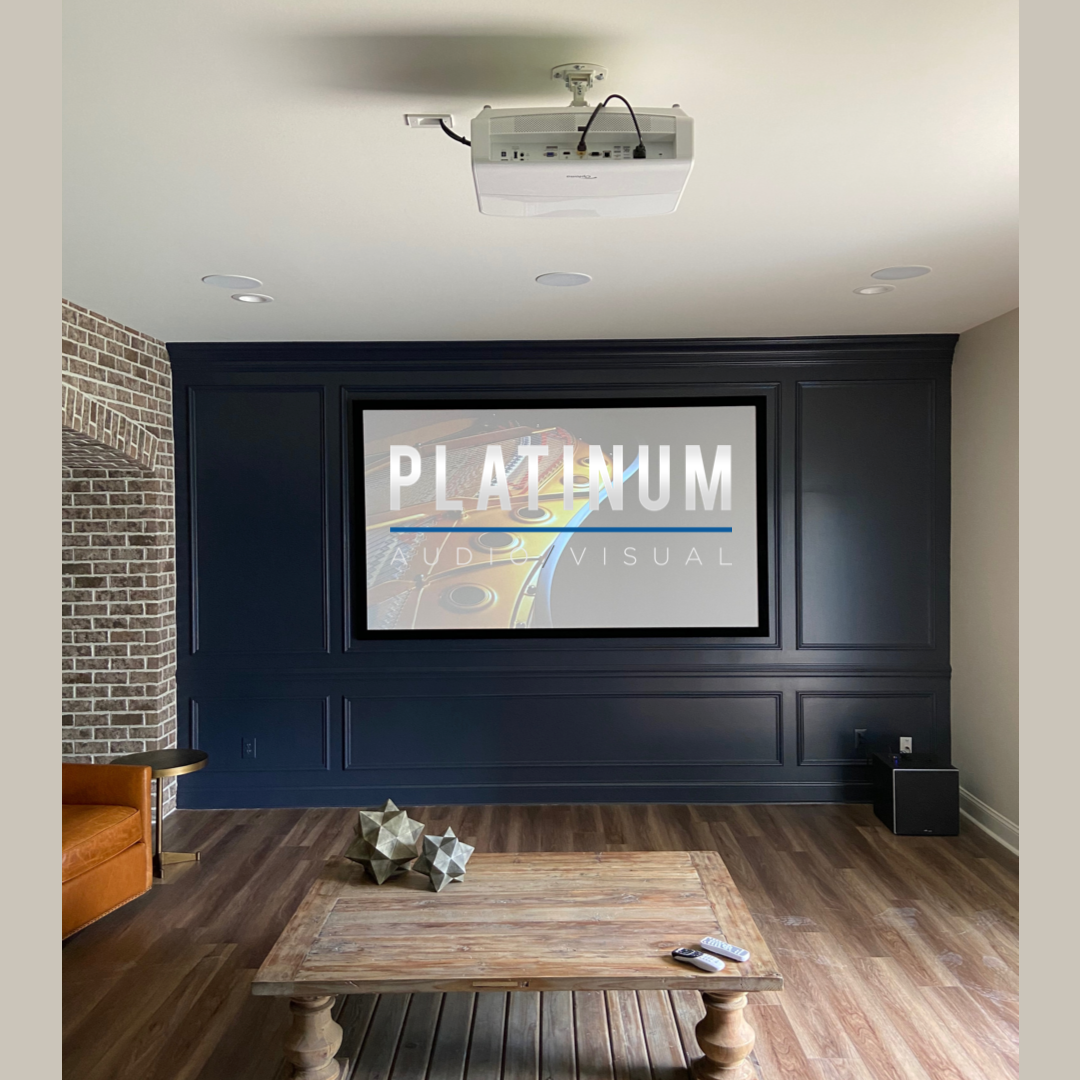
Proper installation is vital for achieving the full potential of your audio-visual equipment, including projectors, speakers, receivers, HDMI cables, soundbars, and video displays. A well-designed system ensures that every component is set up correctly, leading to optimal performance and enhanced viewing and listening experiences.
Designing the Perfect Home Theater Room
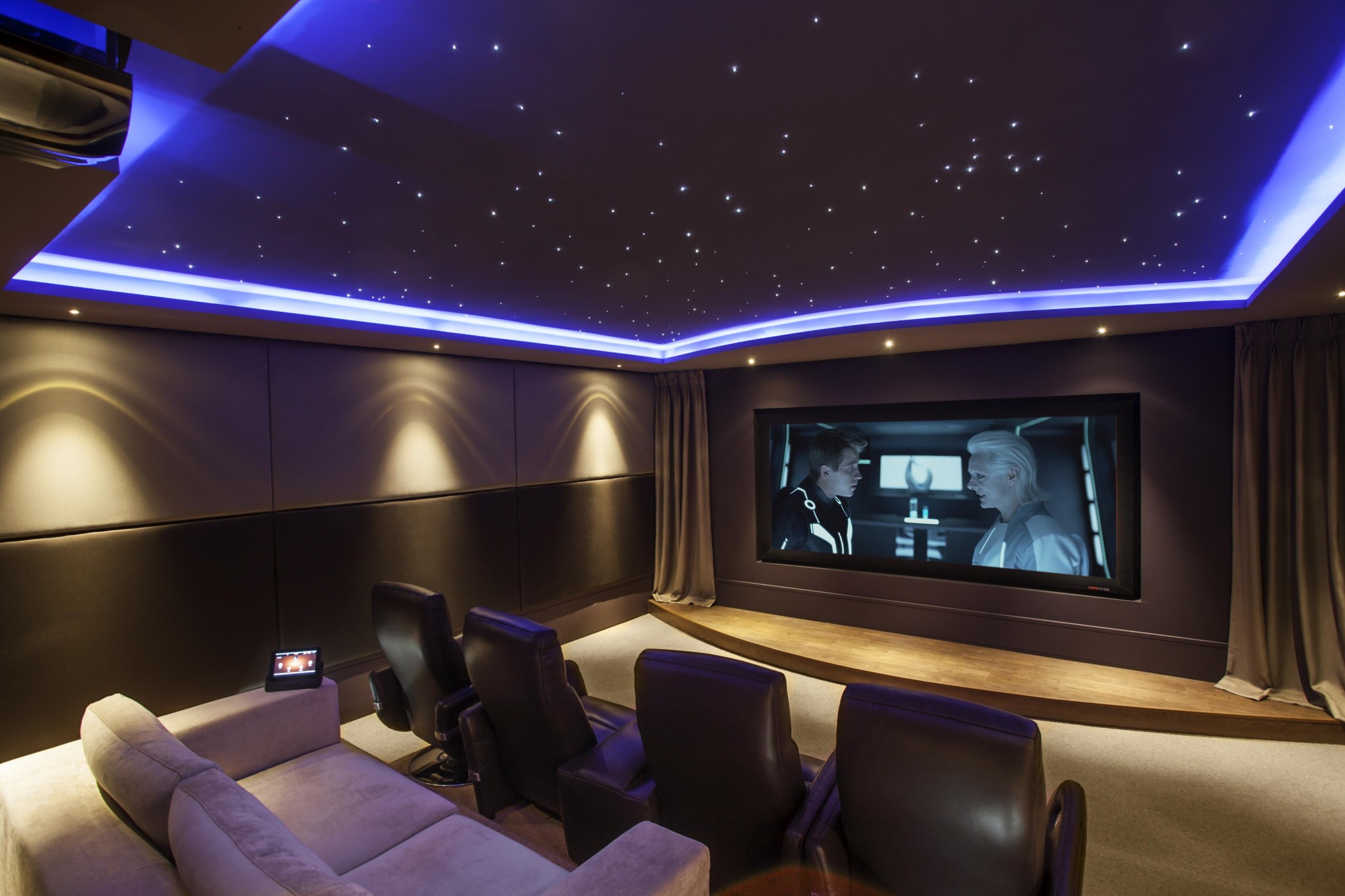
- Measure and calculate the room's acoustics, taking into account the size, shape, and materials used in the construction.
- Choose the ideal seating arrangement, considering the distance from the screen and the angle of the speakers.
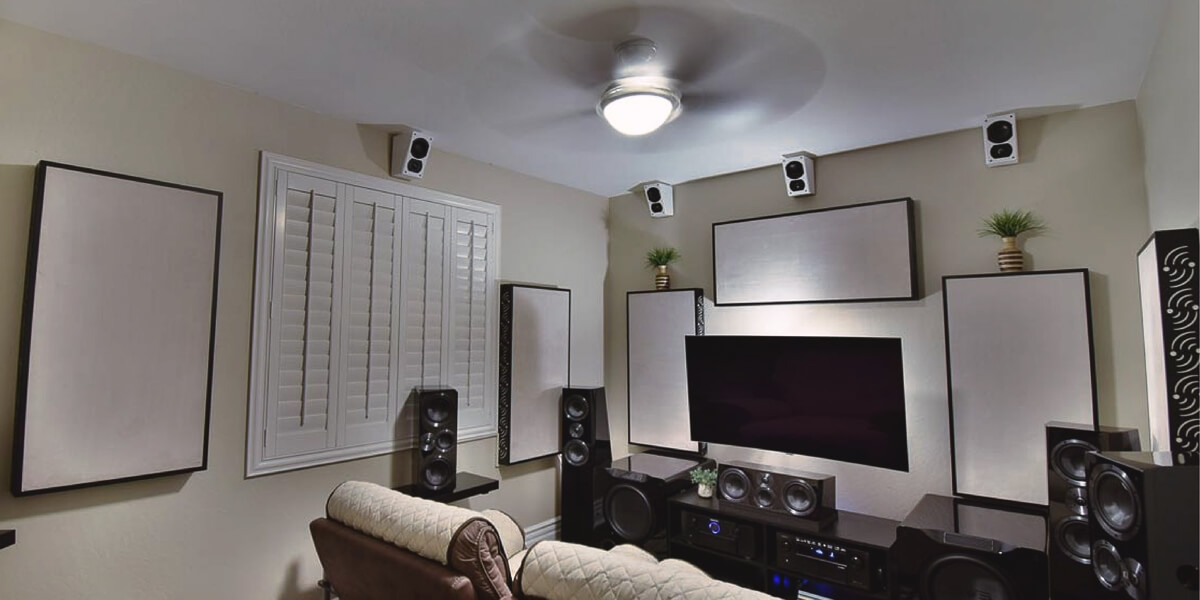
- Consider using sound-absorbing materials, such as acoustic panels or bass traps, to minimize echo and reverberation.
Speaker Placement and Configuration
Speaker placement is critical for achieving a surround sound experience. Here are some tips to keep in mind:
- Place the front left and right speakers at ear level, angled inward at about 10-20 degrees.
- Position the center channel speaker below or above the screen, depending on the type of speaker and the room's acoustics.
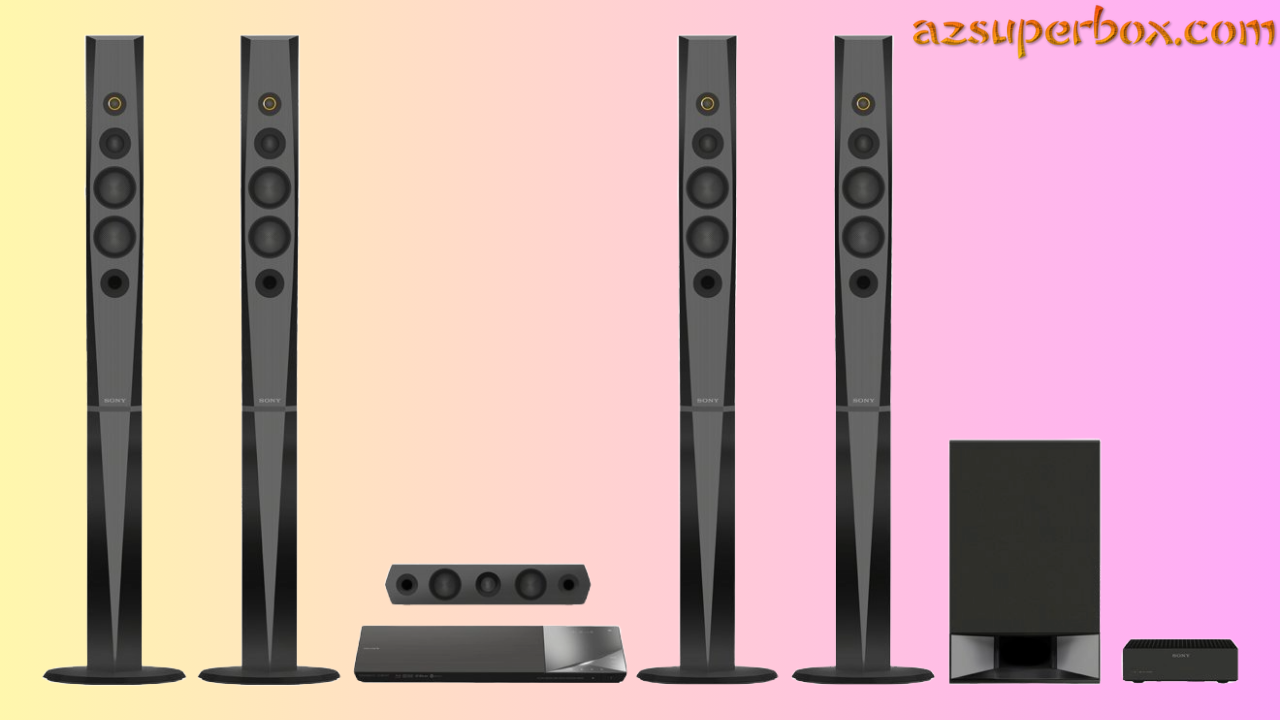
- Use ceiling-mounted speakers for a true surround sound experience, or place them on walls or in corners for a more immersive experience.
- Consider using wireless side speakers for added flexibility and convenience.
AV Receiver Configuration and Calibration
Configuring and calibrating your AV receiver is essential for optimizing sound quality. Here are some tips to keep in mind:

- Connect all speakers and subwoofers to the receiver using high-quality speaker cables.
- Set the receiver's crossover frequencies to match the speakers' capabilities.
- Calibrate the receiver's equalization settings to balance the sound frequencies and compensate for room acoustics.
- Use the receiver's built-in test tones and measurement tools to fine-tune the system.
System Calibration and Maintenance
Calibration is an ongoing process, and regular maintenance is essential to ensure optimal performance. Here are some tips to keep in mind:
- Perform regular system checks to ensure all components are functioning properly.
- Update the receiver's firmware and software regularly to take advantage of new features and improvements.
- Clean and maintain the speakers, receiver, and other equipment to prevent dust and dirt buildup.
- Consider hiring a professional to perform a thorough system calibration and optimization.
Conclusion
Mastering the art of home theater audio installation techniques requires patience, knowledge, and attention to detail. By following the tips and guidelines outlined in this article, you'll be well on your way to creating a cinematic haven in your own home. Remember to design the perfect room, place speakers correctly, configure and calibrate the AV receiver, and perform regular maintenance to ensure optimal performance and a truly immersive experience.
Resources
For more information on home theater audio installation techniques, consider consulting the following resources:
- This Old House
- TruMedia
- Bowers & Wilkins
- Dolby Atmos
- AVS Forum
By investing time and effort into creating a well-designed home theater system, you'll be rewarded with a cinematic experience that will transport you to new worlds and make every movie night a special occasion.