Understanding High-Risk Genes DNA Test: A Comprehensive Guide
Advances in genetic technology have made it possible to identify individuals at high-risk of developing certain diseases, including cancer. The high-risk genes DNA test is a diagnostic tool that assesses an individual's genetic profile to determine their risk of developing specific health conditions. In this article, we will discuss the importance of genetic testing for high-risk genes and what to expect from the test.
What is a High-Risk Genes DNA Test?
A high-risk genes DNA test is a type of genetic testing that evaluates an individual's genetic profile to determine their risk of developing specific diseases. The test looks for genetic mutations or variations that increase the risk of certain health conditions, such as cancer. The test can be used to identify individuals who are at high-risk of developing a particular disease, allowing them to take preventive measures or make informed decisions about their healthcare.
Types of High-Risk Genes DNA Tests
There are several types of high-risk genes DNA tests available, each designed to assess the risk of different diseases. Some of the most common high-risk genes DNA tests include:
- Mutation tests: These tests look for specific genetic mutations that increase the risk of certain diseases, such as BRCA1 and BRCA2 for breast and ovarian cancer.
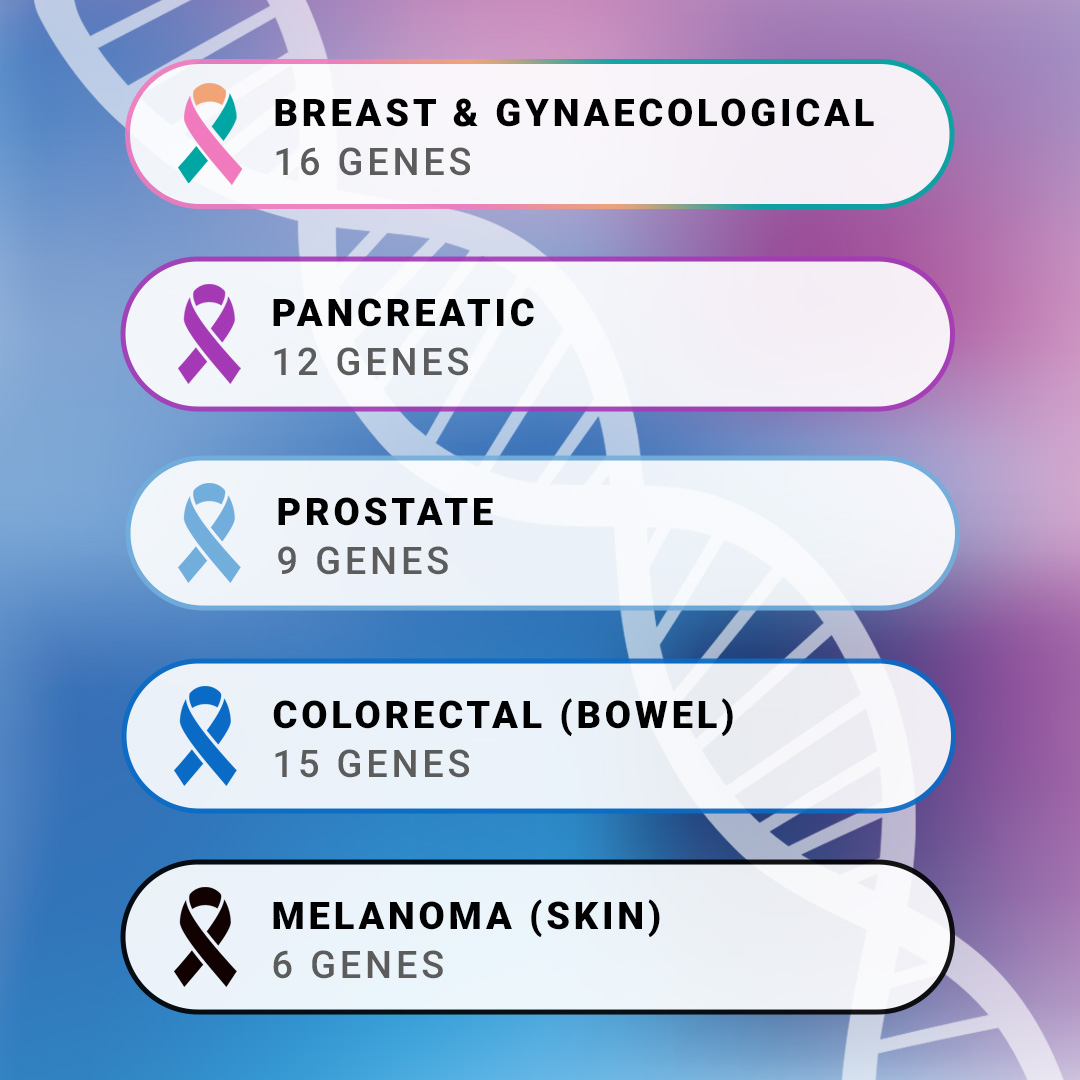
- Hereditary cancer panels: These tests evaluate multiple genes associated with an increased risk of cancer, such as the Lynch syndrome and familial adenomatous polyposis (FAP).
- Genetic predisposition tests: These tests assess an individual's genetic profile to determine their risk of developing specific diseases, such as cardiovascular disease and Alzheimer's.
What to Expect from a High-Risk Genes DNA Test
If you are considering getting a high-risk genes DNA test, here is what you can expect:

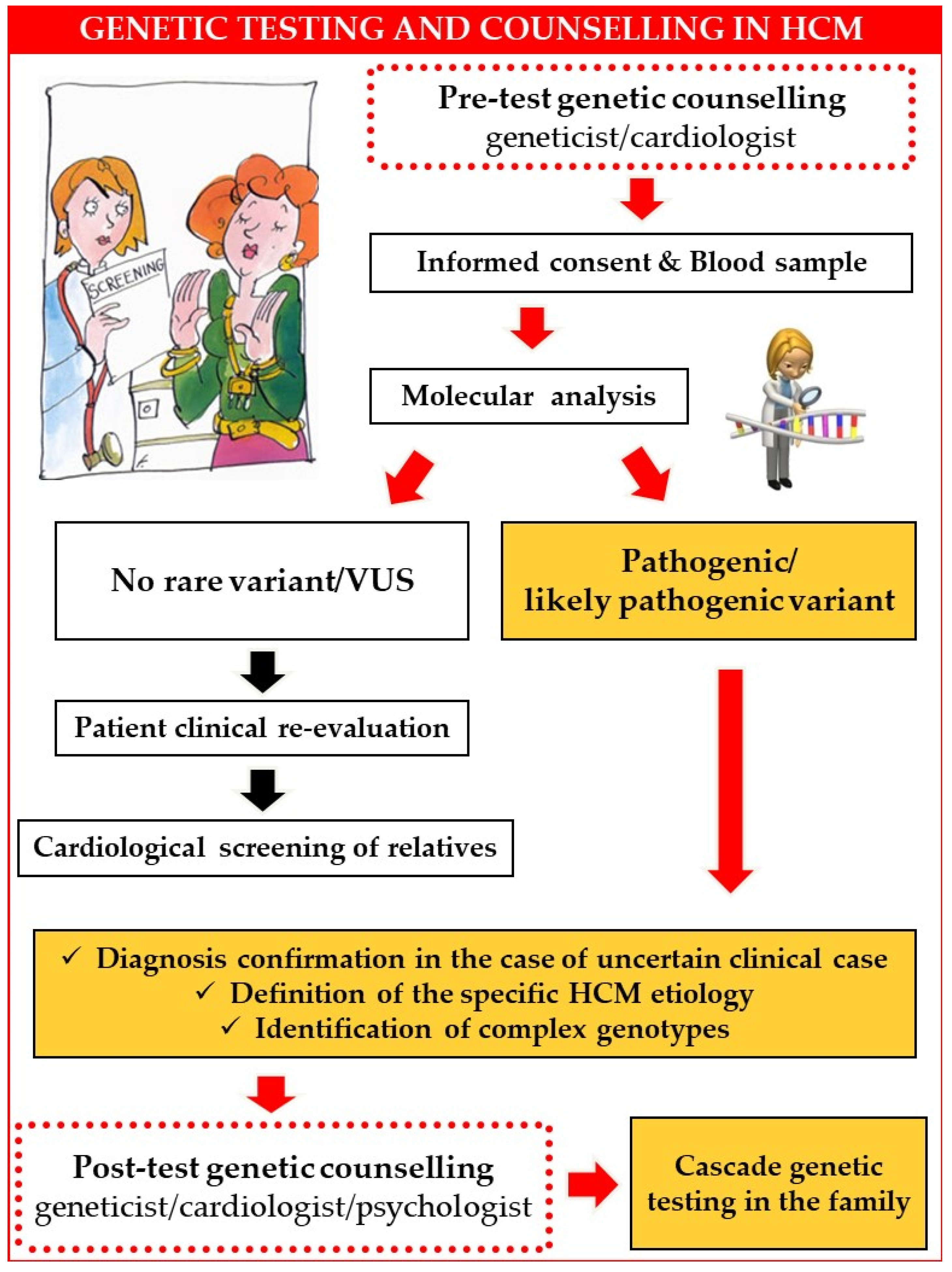
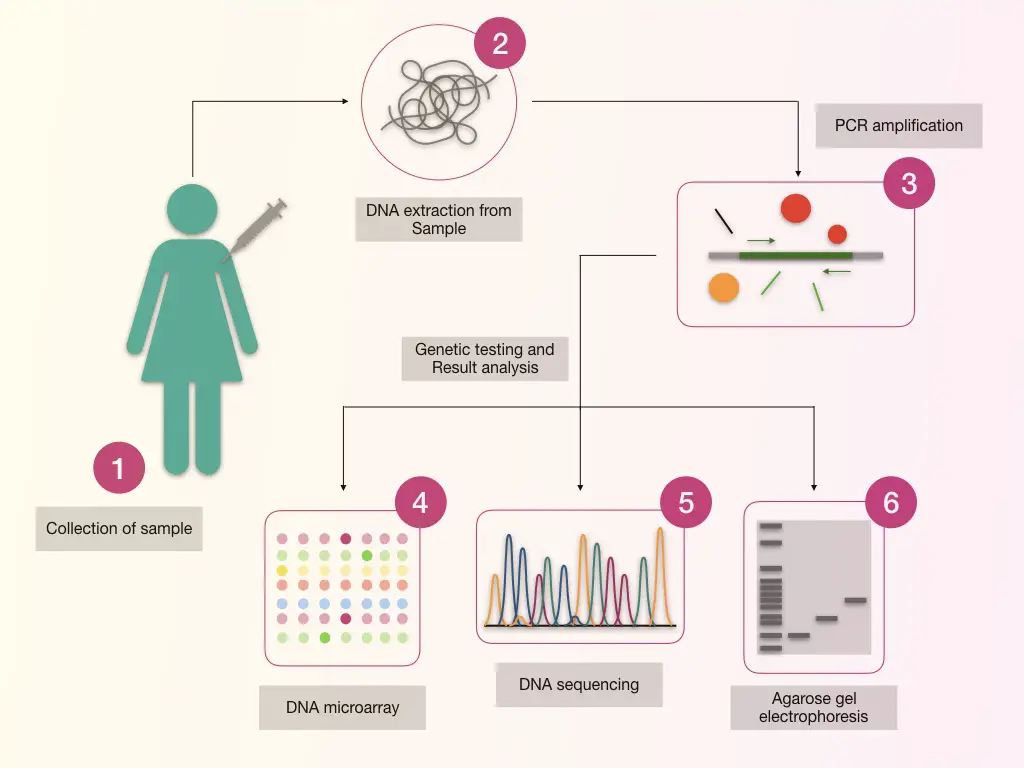
- You will need to provide a DNA sample, typically in the form of a blood or saliva sample.
- The DNA sample will be sent to a laboratory for analysis.
- The laboratory will evaluate your genetic profile for specific genetic mutations or variations associated with an increased risk of disease.
- You will receive a report detailing your risk level for specific diseases based on the test results.
Risks and Benefits of High-Risk Genes DNA Tests
Like any medical test, high-risk genes DNA tests carry both risks and benefits. The risks include:
- False-positive results, which can lead to unnecessary anxiety and stress.
- False-negative results, which can lead to a false sense of security.
- Insurance and employment discrimination, as genetic information can be used to discriminate against individuals.
The benefits of high-risk genes DNA tests include:
- Early identification and prevention of diseases.
- Informed decision-making about healthcare and lifestyle choices.
- Reduced risk of developing certain diseases.
Conclusion
In conclusion, high-risk genes DNA tests are an important diagnostic tool for assessing an individual's risk of developing specific diseases. While there are risks and benefits associated with these tests, the benefits outweigh the risks. If you are considering getting a high-risk genes DNA test, it is essential to discuss the risks and benefits with your healthcare provider and understand what to expect from the test.



.png "Gene Information for the Riskguard® Test | Exact Sciences")
:max_bytes(150000):strip_icc()/2860730_color-5babc8d9c9e77c002ccae708.png "MyRisk® Germline Test for Cancer Treatment | Myriad Genetics")