GLP-1 Receptor Agonists and Time-Restricted Eating for Cardiovascular Disease: A Comprehensive Review
Obesity remains a major global health challenge, and glucagon-like peptide-1 receptor agonists (GLP-1RAs) have emerged as a promising therapeutic option for managing type 2 diabetes and obesity. However, their efficacy in reducing cardiovascular disease risk remains underexplored. Recent studies suggest that combining GLP-1RAs with time-restricted eating (TRE) may potentially offer additional cardiovascular benefits.
GLP-1 Receptor Agonists: A Foundation for Cardiovascular Disease Prevention
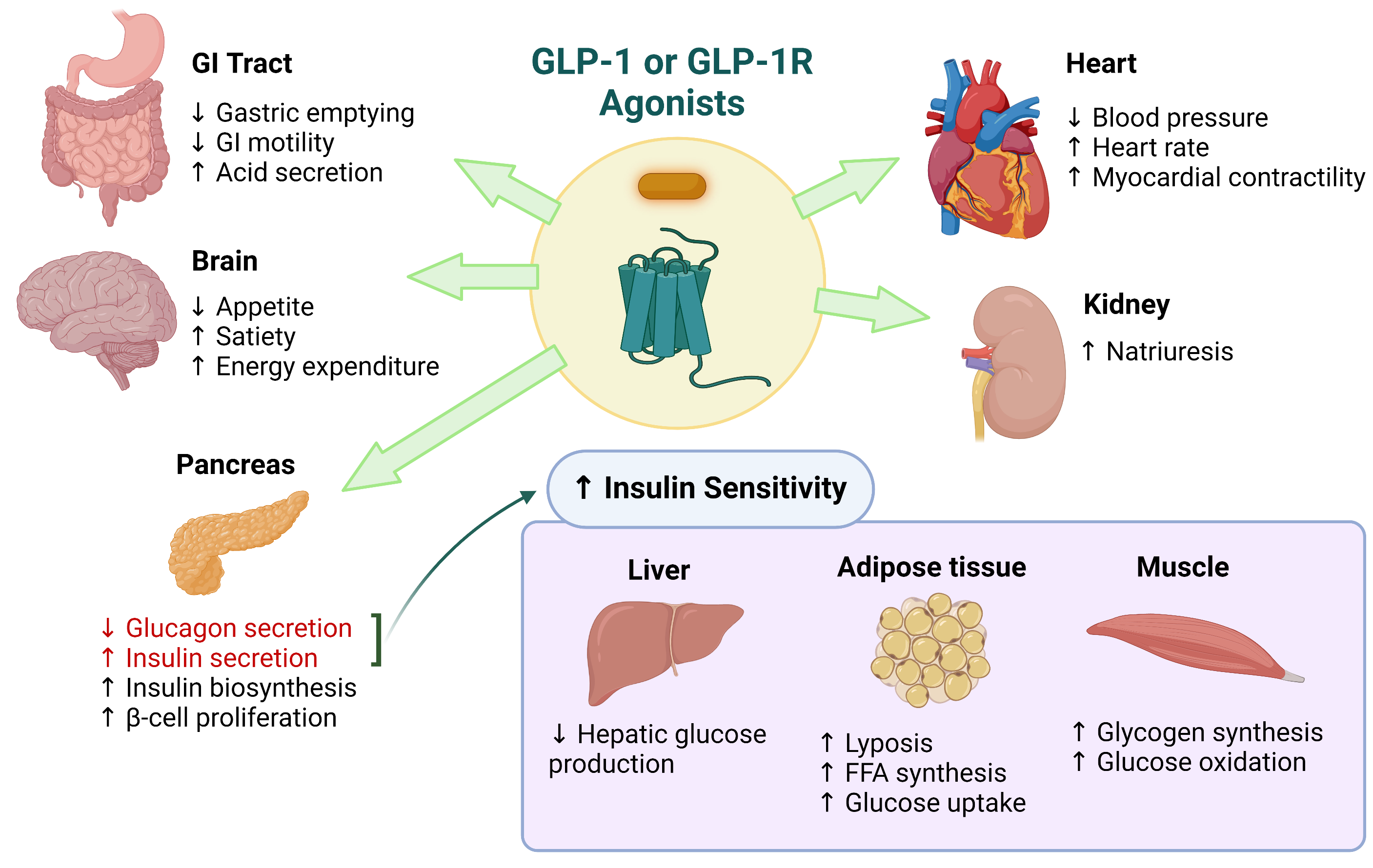
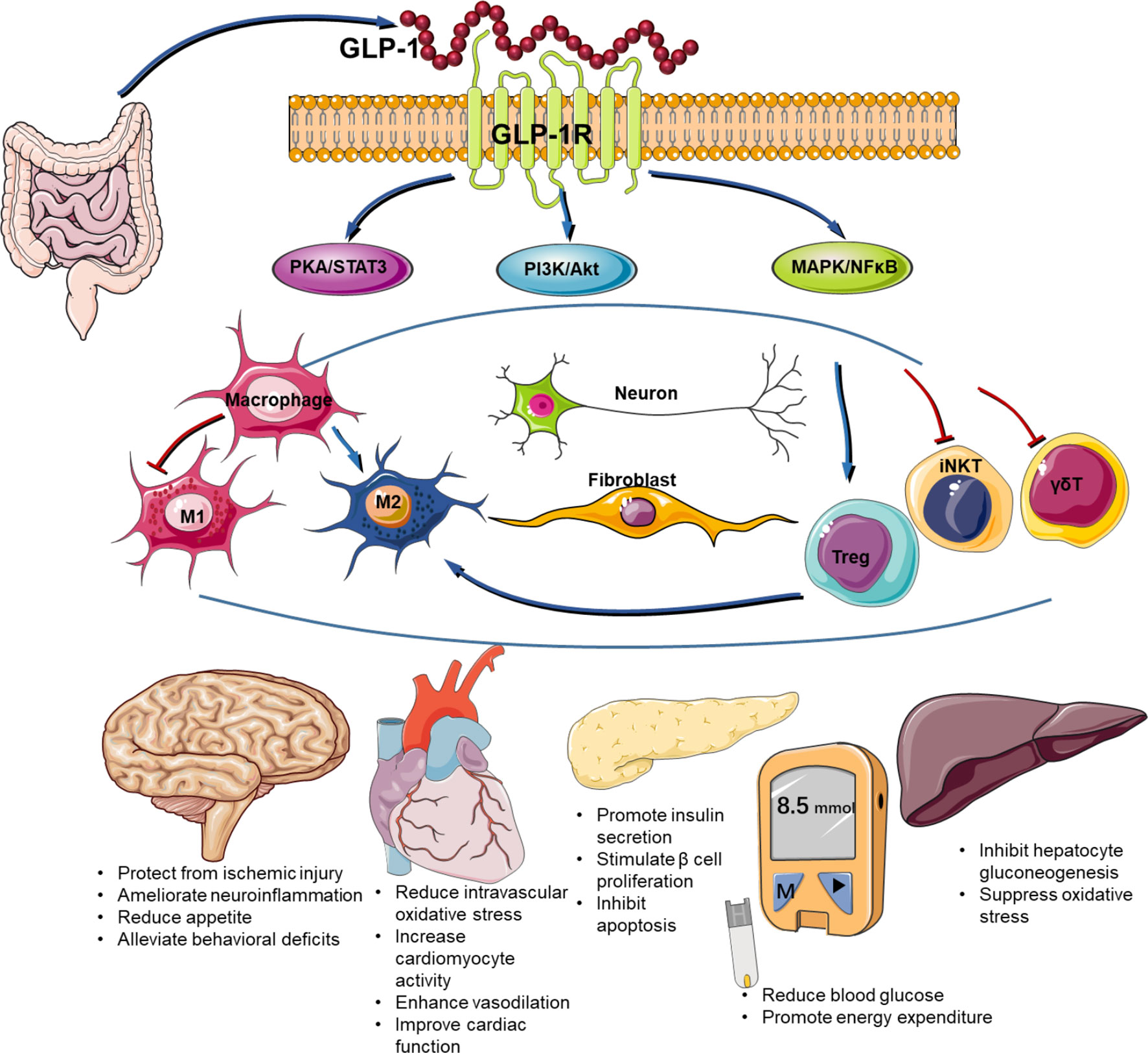
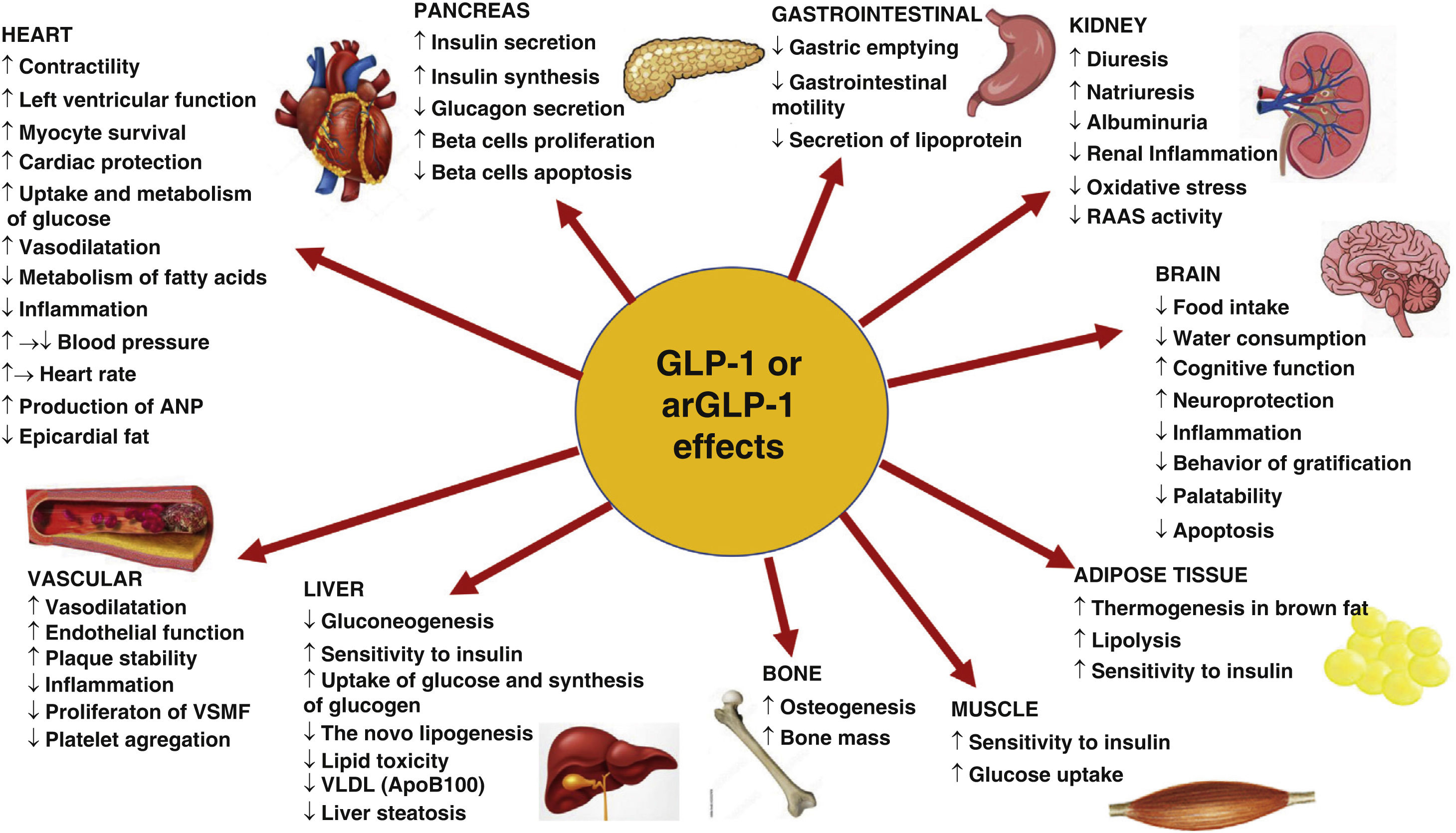
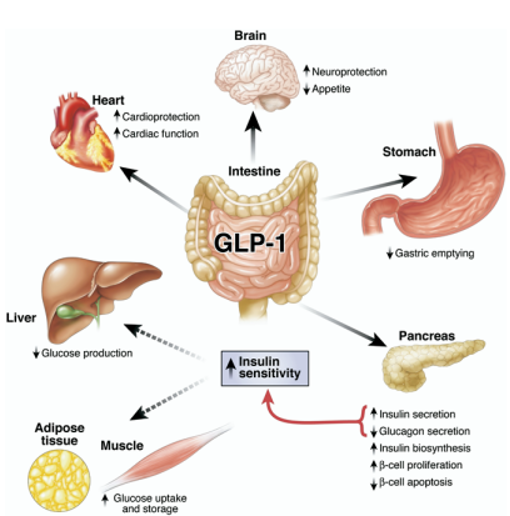
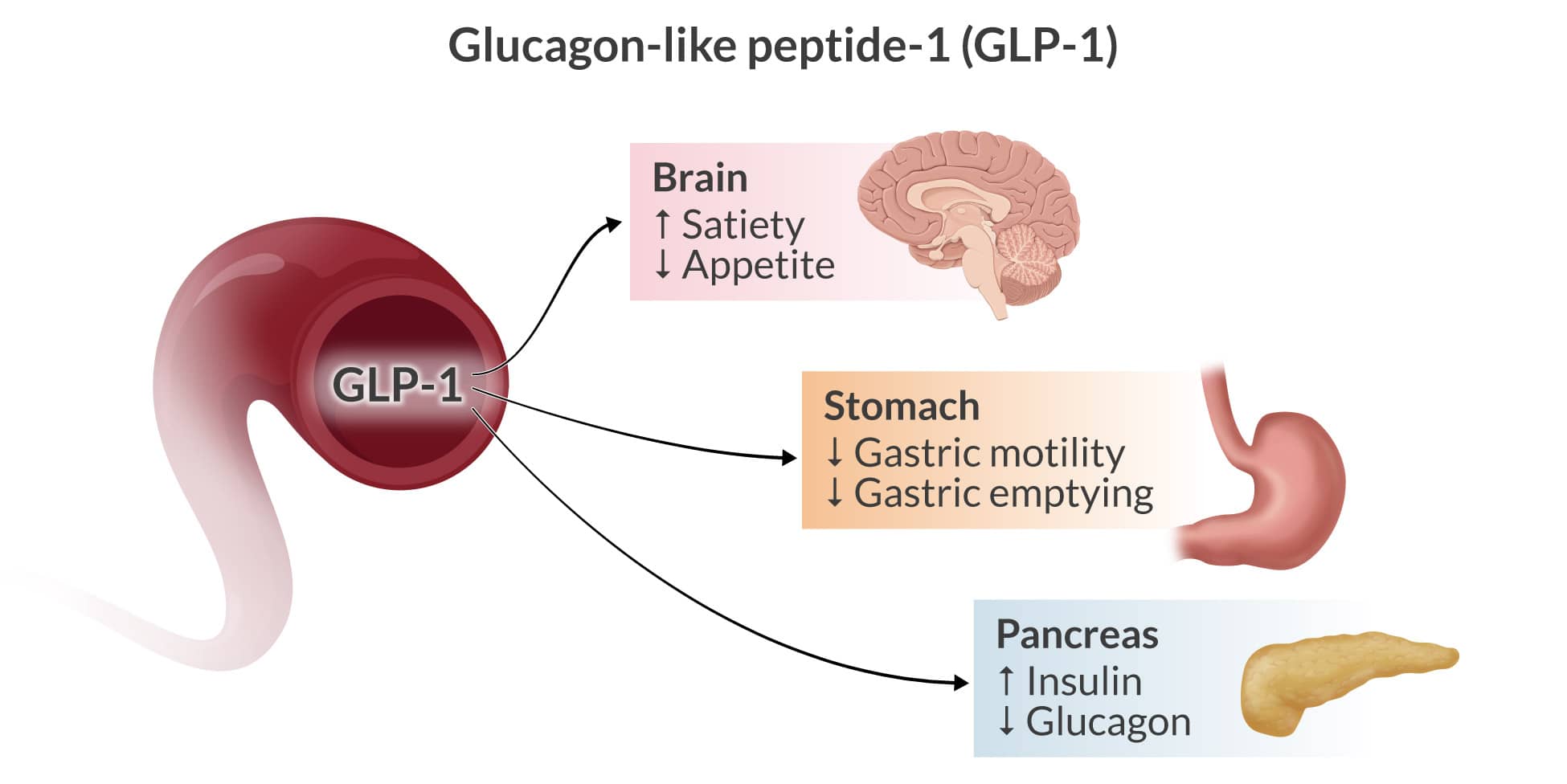
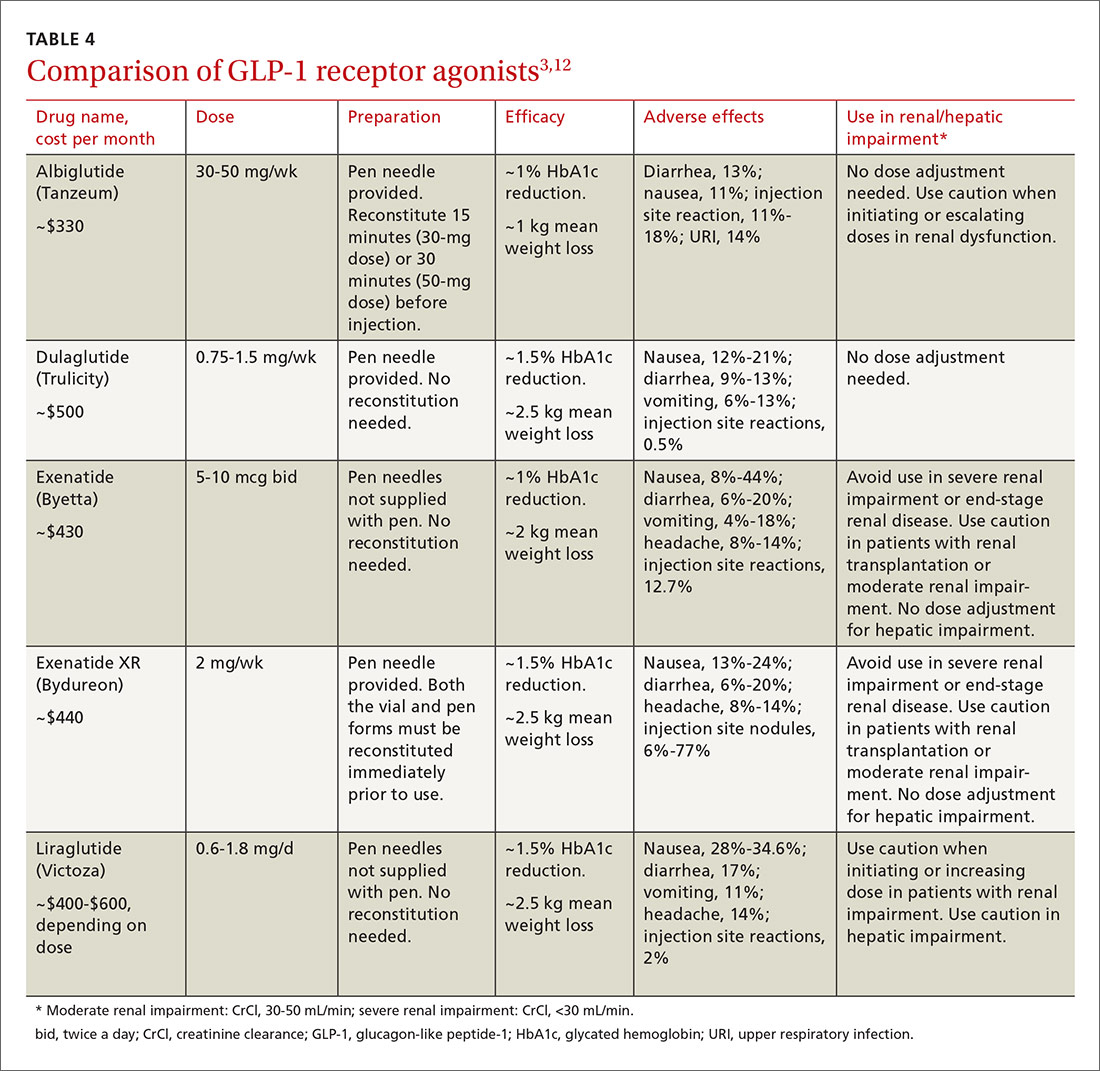
GLP-1RAs mimic the action of the natural hormone glucagon-like peptide-1, which regulates glucose metabolism and satiety. These medications have been shown to reduce glycated hemoglobin (HbA1c) levels, improve insulin sensitivity, and promote weight loss. Moreover, GLP-1RAs have been demonstrated to exert protective effects on cardiovascular disease, including a reduction in major adverse cardiovascular events (MACE) and cardiovascular mortality.
Time-Restricted Eating: A Novel Approach to Cardiovascular Disease Prevention
Time-restricted eating involves restricting food intake to a specific time window, typically 8-12 hours, and avoiding food for the remaining 12-16 hours. Research has shown that TRE can improve cardiovascular risk factors, including blood pressure, lipid profiles, and inflammation levels. By restricting eating windows, individuals can experience improvements in insulin sensitivity, weight loss, and metabolic function.
The Synergistic Effect of GLP-1RAs and TRE on Cardiovascular Disease
Studies have demonstrated that combining GLP-1RAs with TRE can produce additive or even synergistic effects on cardiovascular disease risk factors. For instance, a recent meta-analysis found that patients treated with GLP-1RAs achieved significant reductions in MACE and cardiovascular mortality, and that these benefits were magnified when combined with TRE. Furthermore, a randomized controlled trial revealed that TRE enhanced the GLP-1RA-induced improvements in insulin sensitivity and lipid profiles.
Potential Mechanisms Underlying the Synergistic Effect
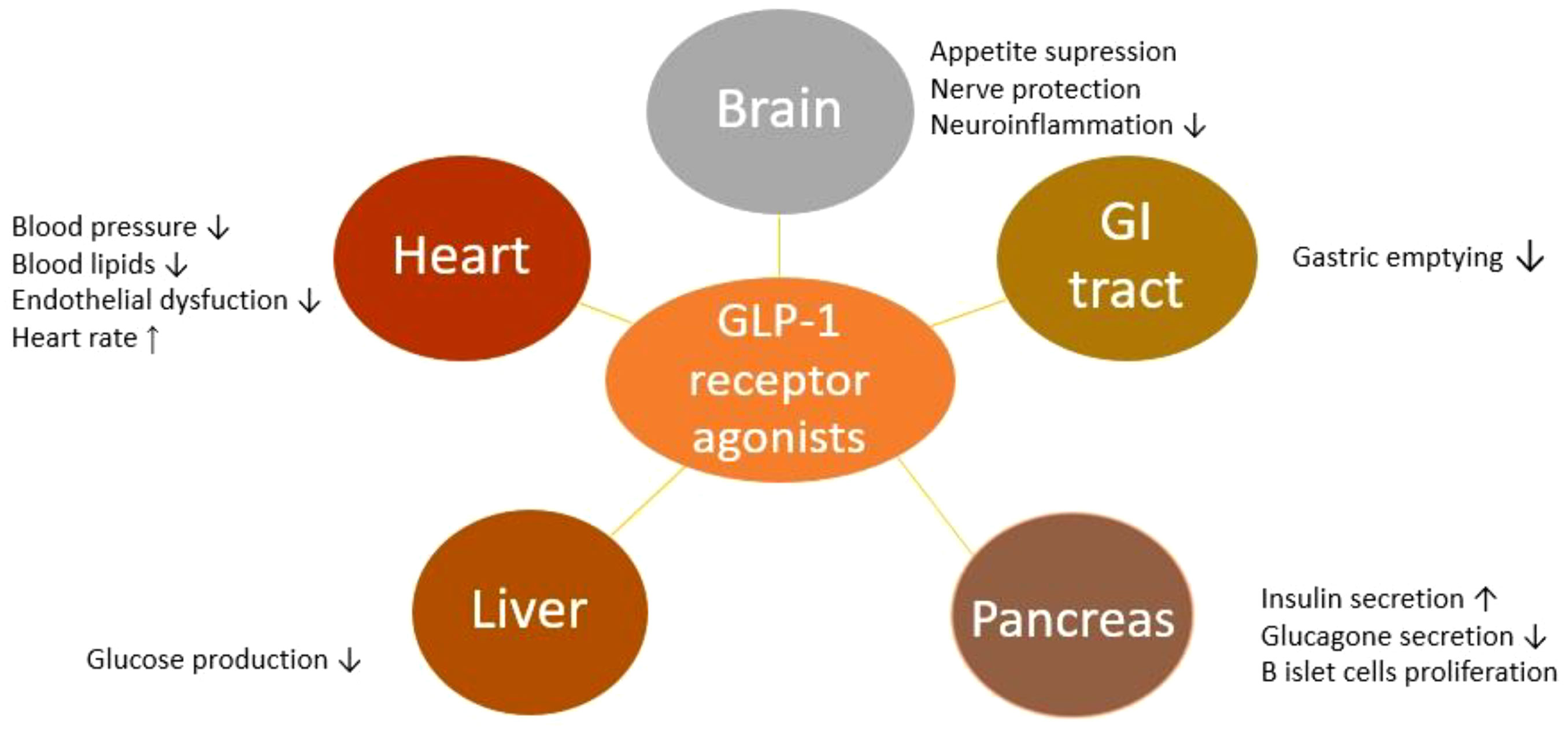
Several mechanisms are thought to contribute to the synergistic effect of GLP-1RAs and TRE on cardiovascular disease:
Improved insulin sensitivity and glucose control
Enhanced lipolysis and improved lipid profiles
Anti-inflammatory effects and improved endothelial function
Increased satiety and weight loss
Real-World Evidence and Future Directions
Studies have shown that GLP-1RAs and TRE can be effectively implemented in various clinical settings. In the absence of dedicated studies, clinicians can incorporate GLP-1RAs and TRE as complementary tools to manage cardiovascular disease risk factors in patients with type 2 diabetes and obesity. Future research should focus on designing randomized controlled trials to elucidate the mechanisms underlying the synergistic effect of GLP-1RAs and TRE and to establish evidence-based treatment guidelines for patients with cardiovascular disease.
Conclusion
GLP-1RAs have emerged as a valuable therapeutic option for managing type 2 diabetes and obesity. The addition of time-restricted eating may further enhance the cardiovascular benefits of GLP-1RAs, and research is needed to fully elucidate the mechanisms underlying this synergy. By integrating GLP-1RAs and TRE into standard clinical practice, healthcare professionals can provide patients with a comprehensive approach to managing cardiovascular disease risk factors.