Unlocking the Secret to Beating Sugar Addiction with GLP-1 Therapies
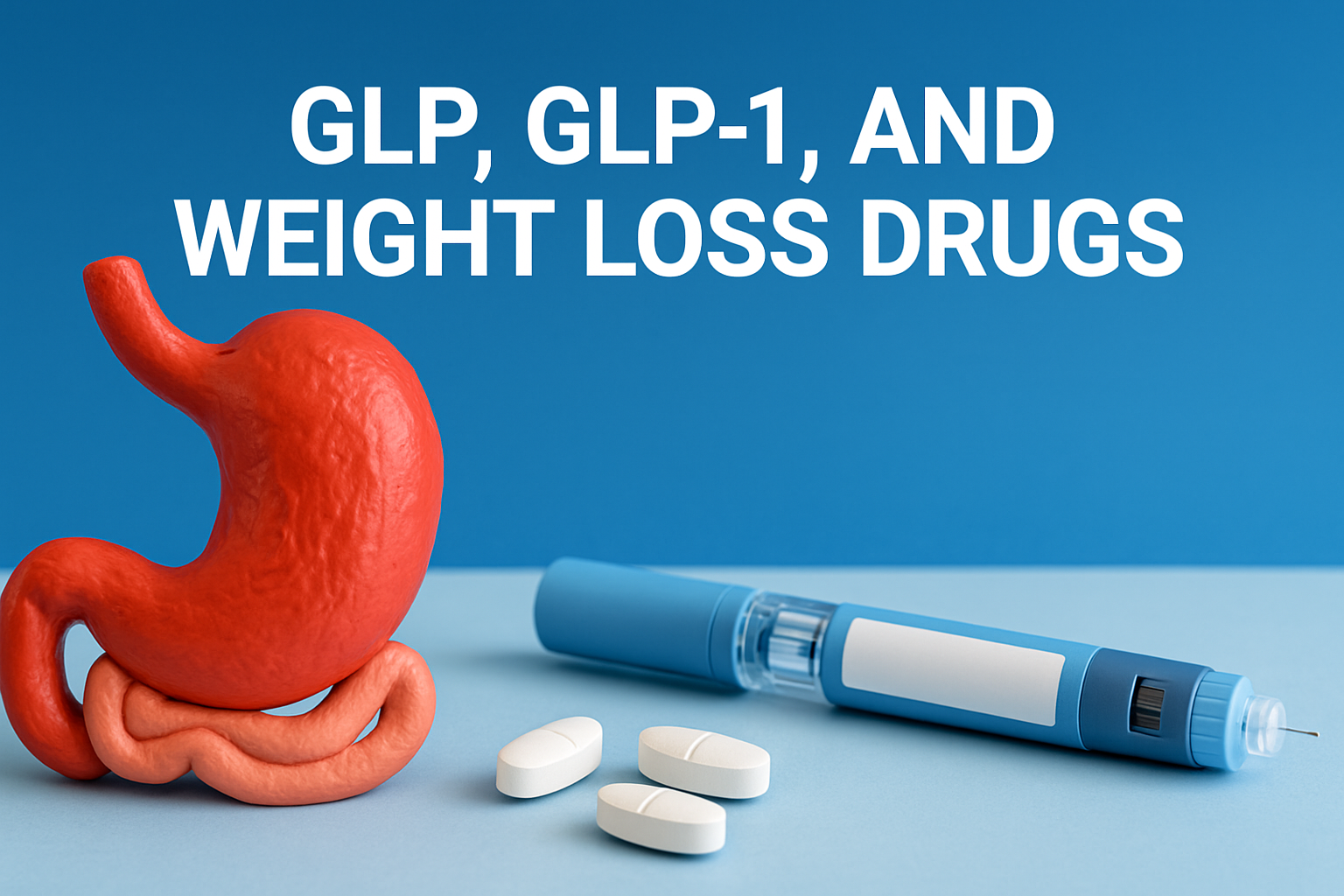
When it comes to addressing addiction, particularly sugar addiction, conventional treatments have consistently fallen short. However, the emergence of glucagon-like peptide-1 (GLP-1) therapies is providing a glimmer of hope for those struggling with this debilitating condition.
The GLP-1 Connection to Sugar Addiction
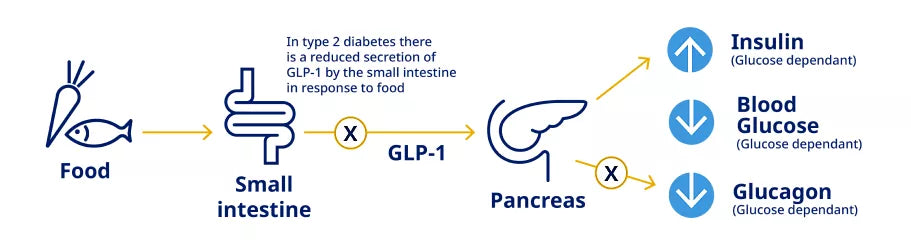
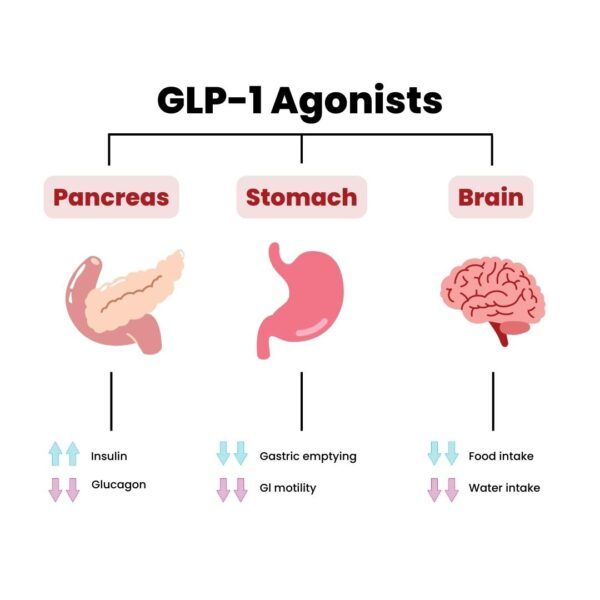
GLP-1 is a hormone produced by the small intestine in response to food consumption. Its primary role is to trigger insulin release from the pancreas, regulate blood sugar levels, and increase feelings of fullness after eating. Recent studies have highlighted the potential of GLP-1 therapies in treating addictions, including sugar addiction.
The Science Behind GLP-1 and Sugar Addiction Therapies
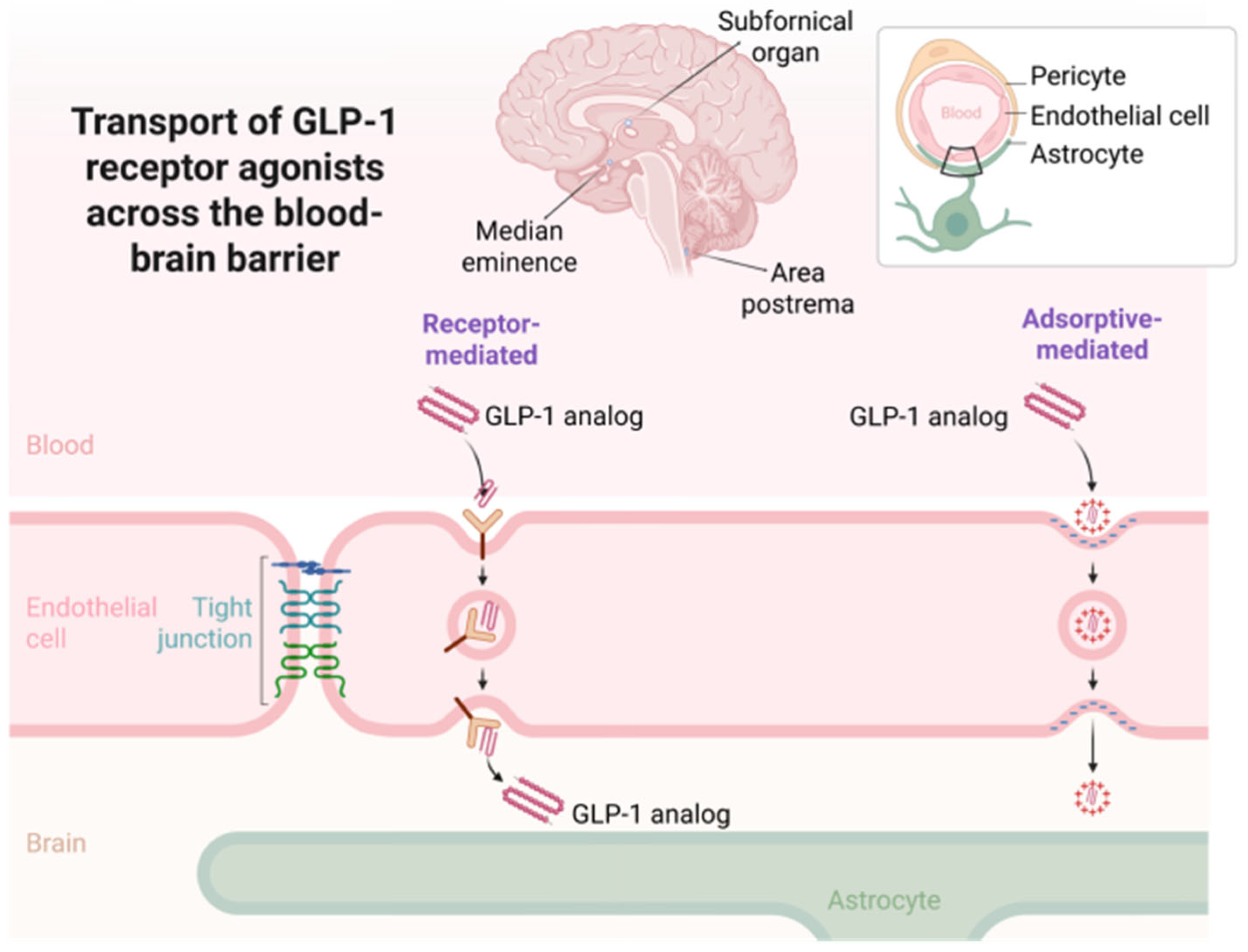
Research has shown that drugs like Ozempic and Wegovy, which are designed to mimic GLP-1, can alter the brain's reward system, reducing cravings and withdrawal symptoms associated with sugar addiction. This is fascinating, as it challenges the conventional understanding of addiction as solely a psychological phenomenon.
How GLP-1 Therapies Combat Sugar Addiction:
- Regulation of Blood Sugar Levels: By controlling blood sugar levels, GLP-1 therapies can mitigate the intense cravings associated with sugar addiction.
- GLP-1 drugs alter the brain's reward system, reducing the pleasure associated with sugary foods and drinks.
- Reducing Weight Loss and Improve Metabolism: By slowing digestion and reducing appetite, GLP-1 therapies can lead to weight loss and improved metabolism, reducing the likelihood of sugar cravings.
The Potential of GLP-1 Therapies for Sugar Addiction Treatment
The implications of GLP-1 therapies for sugar addiction treatment are vast. By targeting the underlying biological mechanisms driving sugar cravings, these therapies offer a novel approach to addiction treatment that can be more effective than traditional methods. Studies have shown promising results, with some individuals reporting a significant reduction in sugar cravings and improved mental health.
Challenges and Limitations of GLP-1 Therapies for Sugar Addiction Treatment

- Limited Research: While the potential of GLP-1 therapies for sugar addiction treatment is promising, more research is needed to fully understand their efficacy and safety.
- Side Effects: GLP-1 therapies can cause side effects like nausea, diarrhea, and injection site reactions, which can be challenging to manage.
- Cost and Accessibility: GLP-1 therapies can be expensive and may not be accessible to those who need them most, perpetuating health disparities.
Conclusion
GLP-1 therapies offer a hopeful solution for addressing sugar addiction, a condition that affects millions worldwide. While challenges and limitations exist, the potential benefits of these therapies make them an exciting area of research. As scientists continue to unravel the mechanisms behind GLP-1 and sugar addiction, we may see a breakthrough in the treatment of this debilitating condition.
Expert Insights: Clara Raspberry, MD, a leading expert on GLP-1 therapies, shares her perspective:
"The art of treating sugar addiction is evolving rapidly, and GLP-1 therapies are at the forefront. By targeting the biological mechanisms driving sugar cravings, these therapies can be a game-changer for those struggling with sugar addiction."
Take the First Step Towards a Sugar-Free Life
If you or someone you know is struggling with sugar addiction, consider discussing GLP-1 therapies with a healthcare professional. Together, you can explore the potential benefits and risks of these therapies and create a treatment plan that addresses your unique needs.
Additional Resources:
- GLP-1 Therapies for Sugar Addiction: A Review of the Literature (A comprehensive review of GLP-1 therapies and their potential for sugar addiction treatment)
- GLP-1 Medications for Weight Loss and Blood Sugar Control (A guide to GLP-1 medications and their effects on weight loss and blood sugar control)