Frontyard Sprinkler System Installation: A Comprehensive Guide
Are you tired of manually watering your frontyard, only to see your lawn dry out in the scorching sun? Installing a frontyard sprinkler system is a great way to keep your lawn healthy and green, even during the driest of seasons. In this article, we'll guide you through the process of installing a frontyard sprinkler system, from planning and selecting the right components to installation and maintenance.
Why Install a Frontyard Sprinkler System?
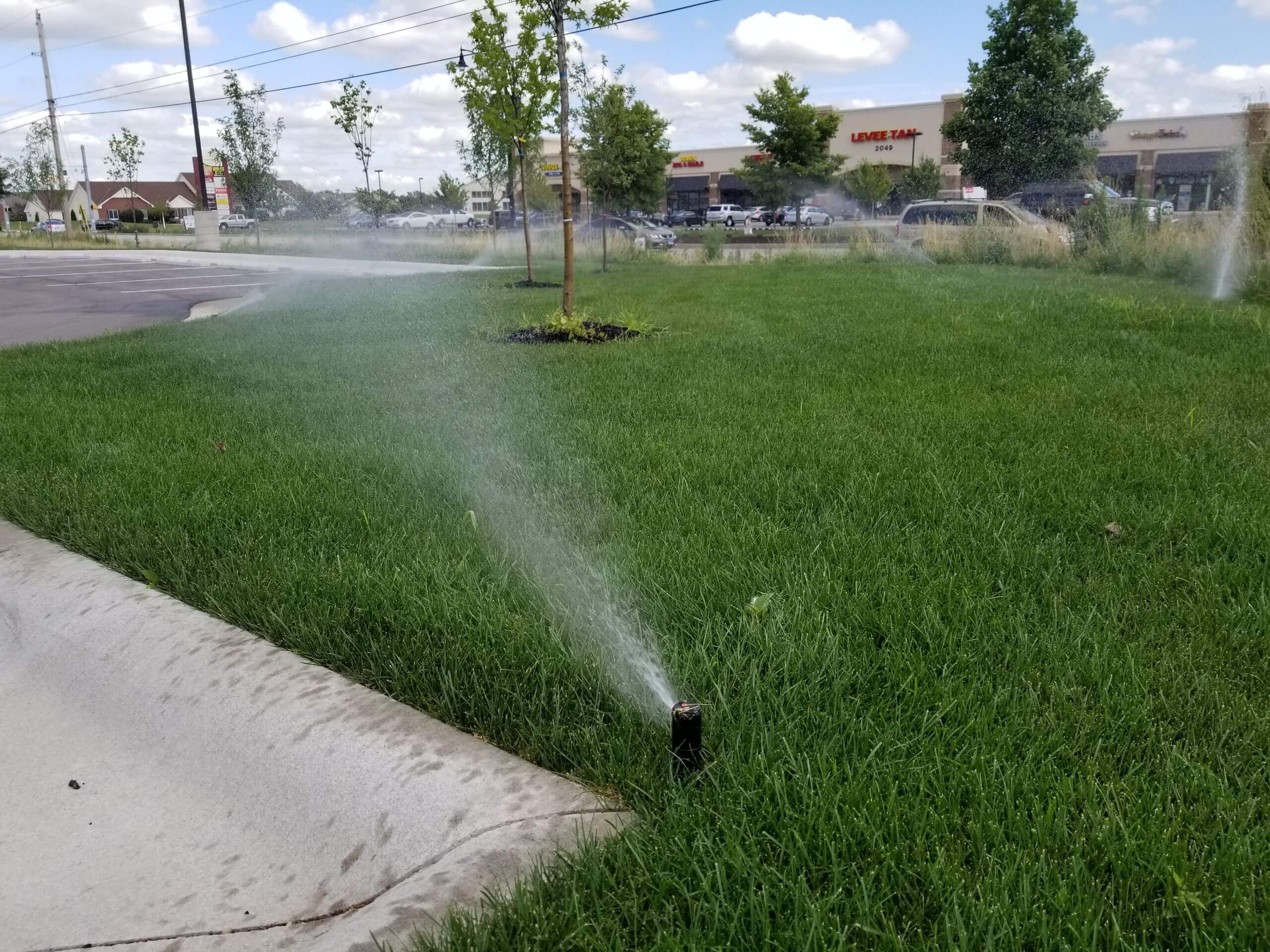
- Convenient: An automatic sprinkler system saves you time and effort, as it sprinkles water evenly and consistently, ensuring your lawn stays hydrated and healthy.
- Water-Efficient: A well-designed sprinkler system can help you save up to 50% of water by efficiently targeting specific areas of your lawn, reducing runoff and evaporation.
- Customizable: A frontyard sprinkler system allows you to tailor the watering schedule to your specific lawn needs, taking into account factors like soil type, sun exposure, and slope.
Planning Your Frontyard Sprinkler System
Before you start installing your sprinkler system, it's essential to plan carefully. Measure out the area you want to cover, consider the soil type, and sketch out your property. This will help you determine the right sprinkler heads and coverage areas for your system.
Choosing the Right Sprinkler Heads
Not all sprinkler heads are created equal. When selecting the right heads for your system, consider the flow rate, coverage area, and water distribution pattern. Full-circle, half-circle, quarter-circle, and three-quarter-circle sprinkler heads are available, each with its unique application.
DIY vs. Professional Installation
While it's possible to install a sprinkler system yourself, it's recommended to hire a professional if you're unsure about the installation process or don't have experience with DIY projects. A professional installer will ensure a proper installation, reducing the risk of leaks, water waste, and system failure.
Step-by-Step Sprinkler System Installation Guide
Step 1: Planning and Design
- Measure your yard and identify areas with the most sun, shade, slopes, or flat expanses.
- Choose the right sprinkler heads and coverage areas based on your plan.
- Consider the soil type and any existing irrigation systems or water features.
Step 2: Gathering Materials and Tools
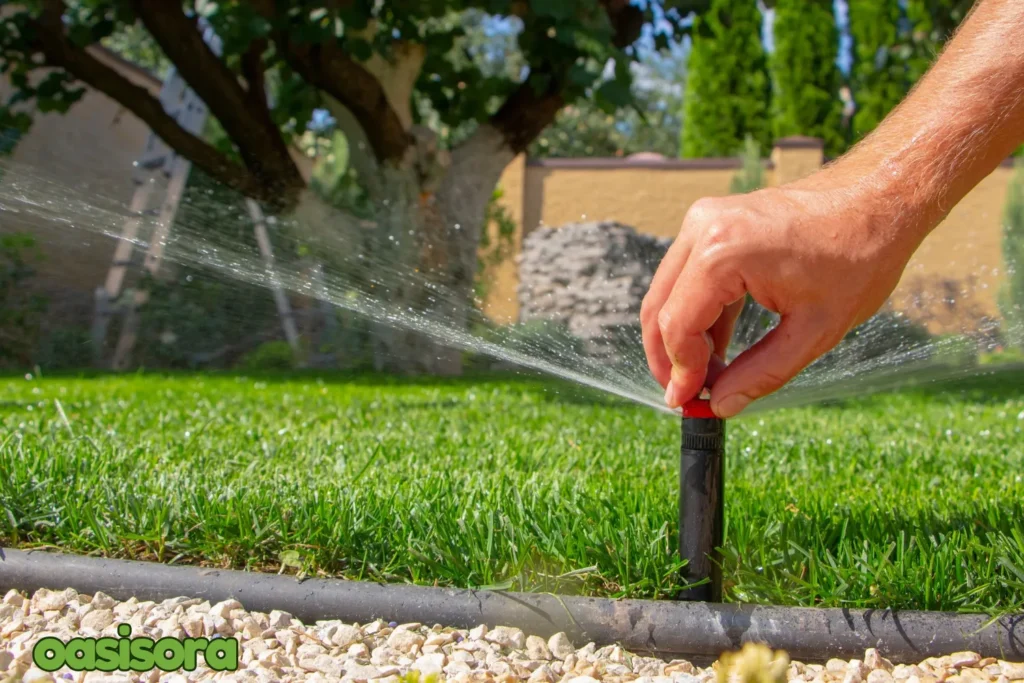
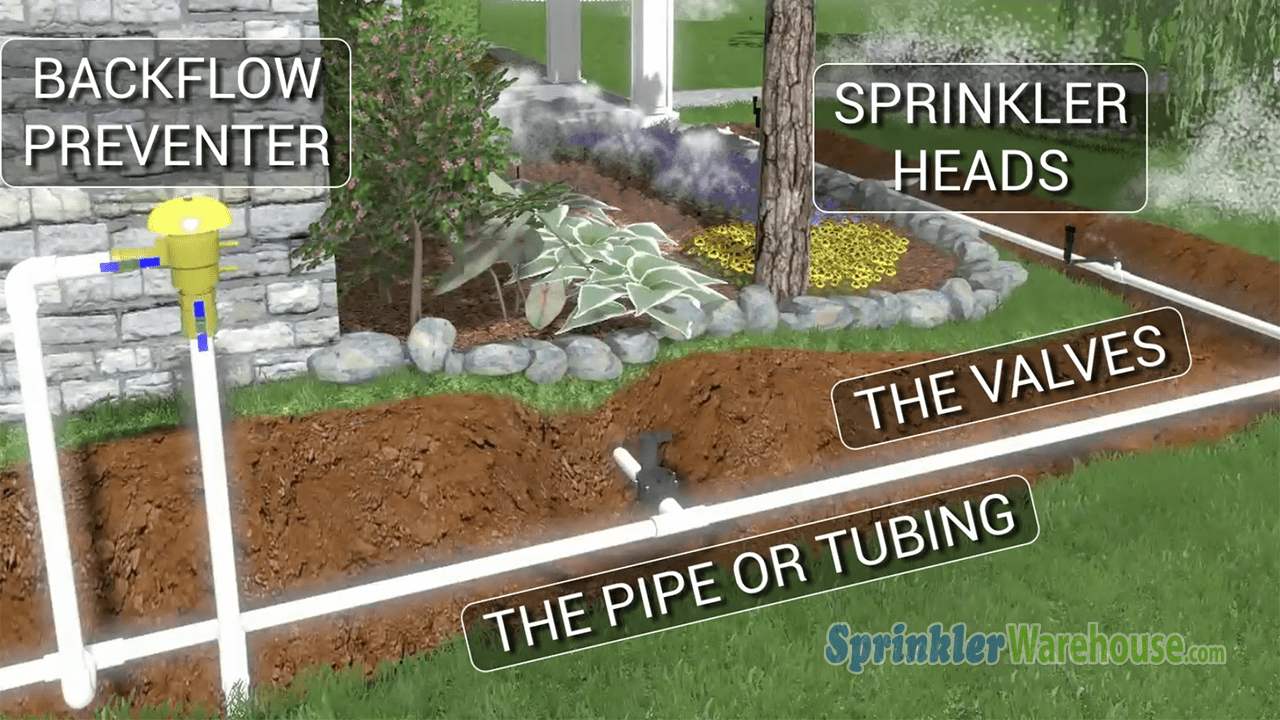
- Procure the necessary components, including sprinkler heads, pipes, fittings, valves, and a control unit.
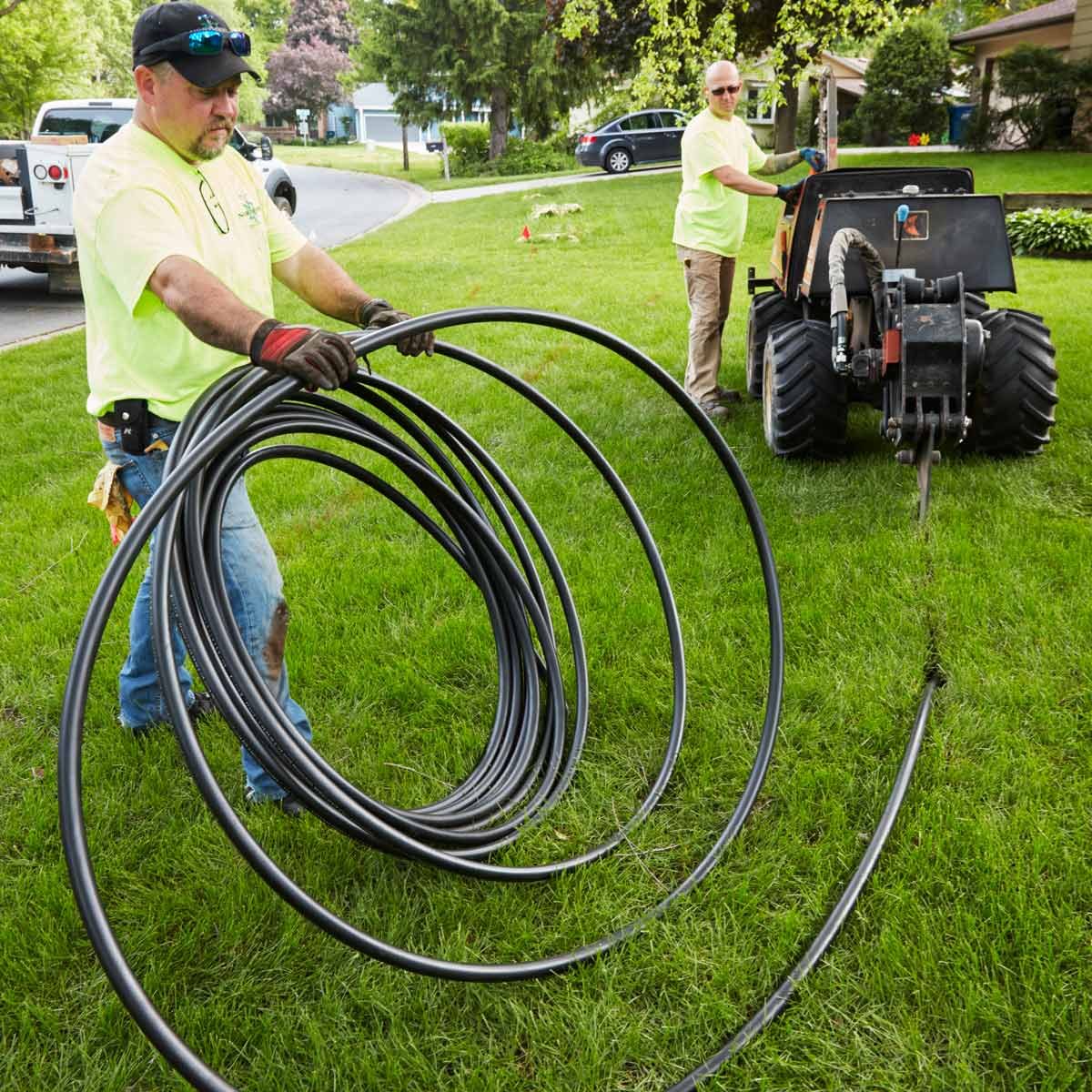
- Gather the required tools, such as a shovel, trenching machine, and PVC cutter.
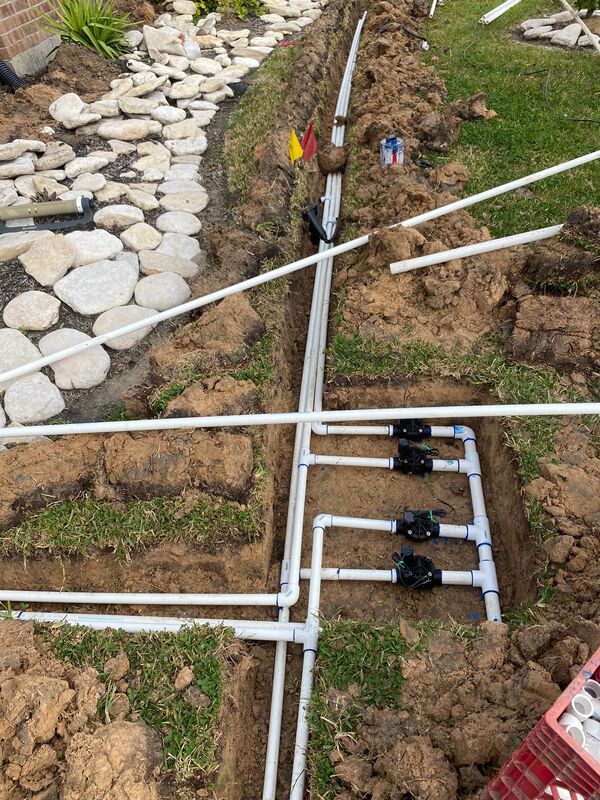
Step 3: Excavation and Trenching
- Mark out the trenching path, ensuring it's at least 12 inches deep and 18 inches wide.
- Use a trenching machine or shovel to excavate the path, avoiding any underground utilities.
Step 4: Installing Pipes and Fittings
- Cut and shape the pipes to fit the designated areas.
- Glue and connect the pipes, ensuring watertight seals.
Step 5: Installing Sprinkler Heads and Valves
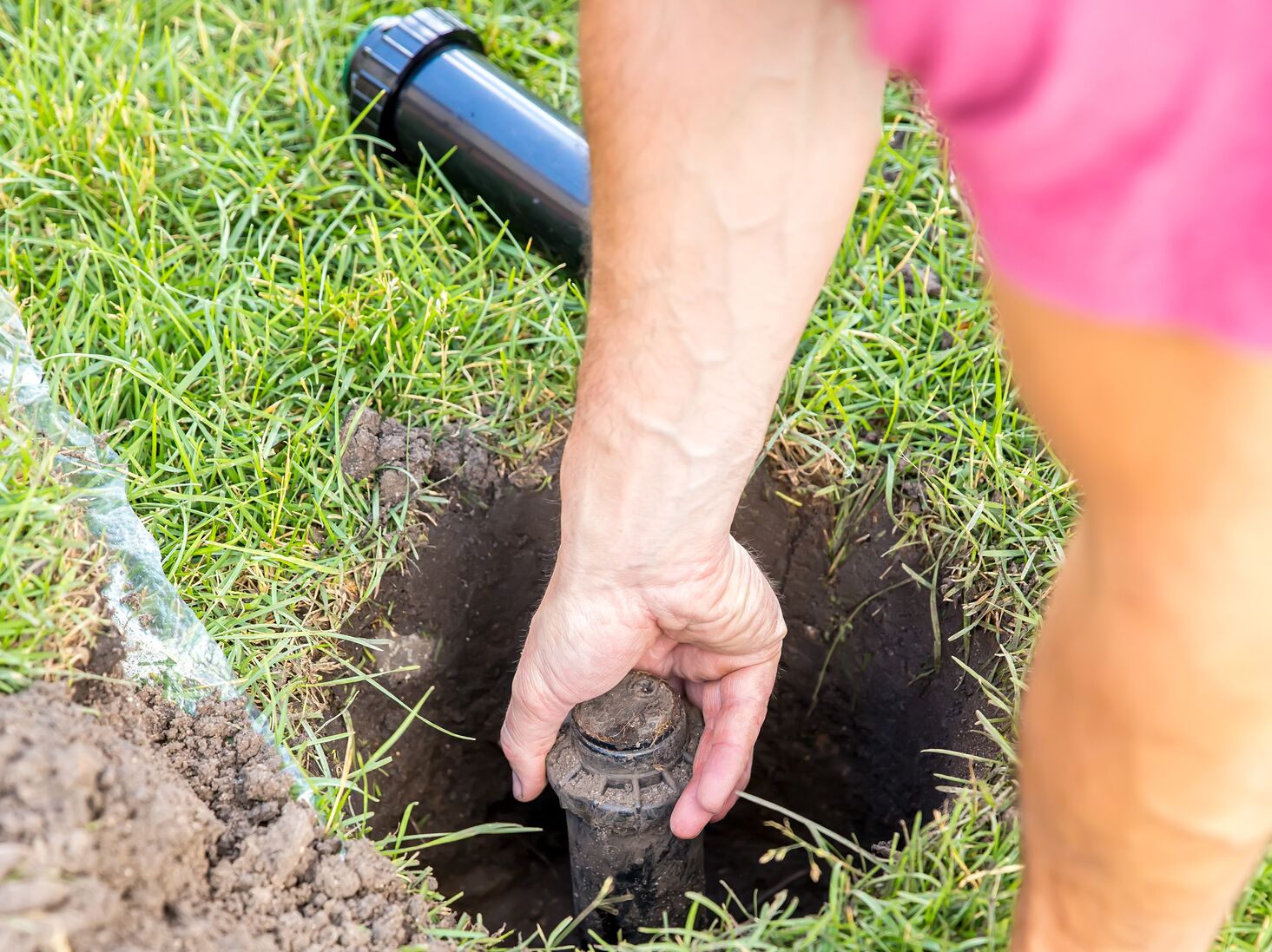
- Install the sprinkler heads, ensuring they're level and securely attached to the pipes.
- Connect the valves to the control unit, setting the right water pressure and flow rate.
Maintaining Your Frontyard Sprinkler System
Proper maintenance is crucial to ensuring your sprinkler system operates efficiently and effectively. Regularly inspect the system for leaks, clogs, and wear and tear. Adjust the sprinkler heads as needed to maintain even water distribution.
Conclusion
Installing a frontyard sprinkler system is a significant investment, but with proper planning, installation, and maintenance, it can save you time, water, and energy while ensuring your lawn stays healthy and green. By following this comprehensive guide, you'll be well on your way to enjoying a lush, well-watered garden.