Discover the Impact of GLP-1 and Eating Patterns
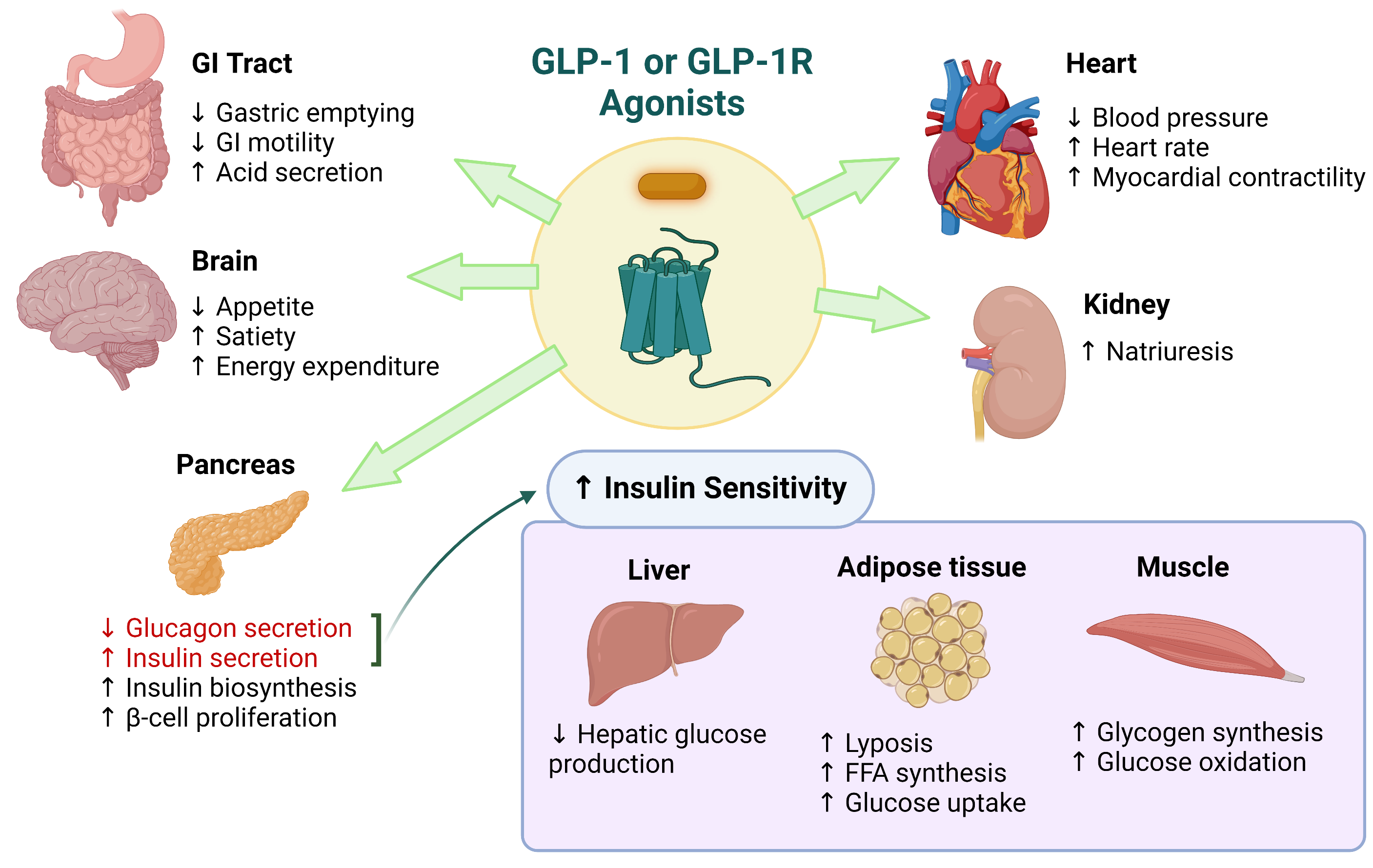
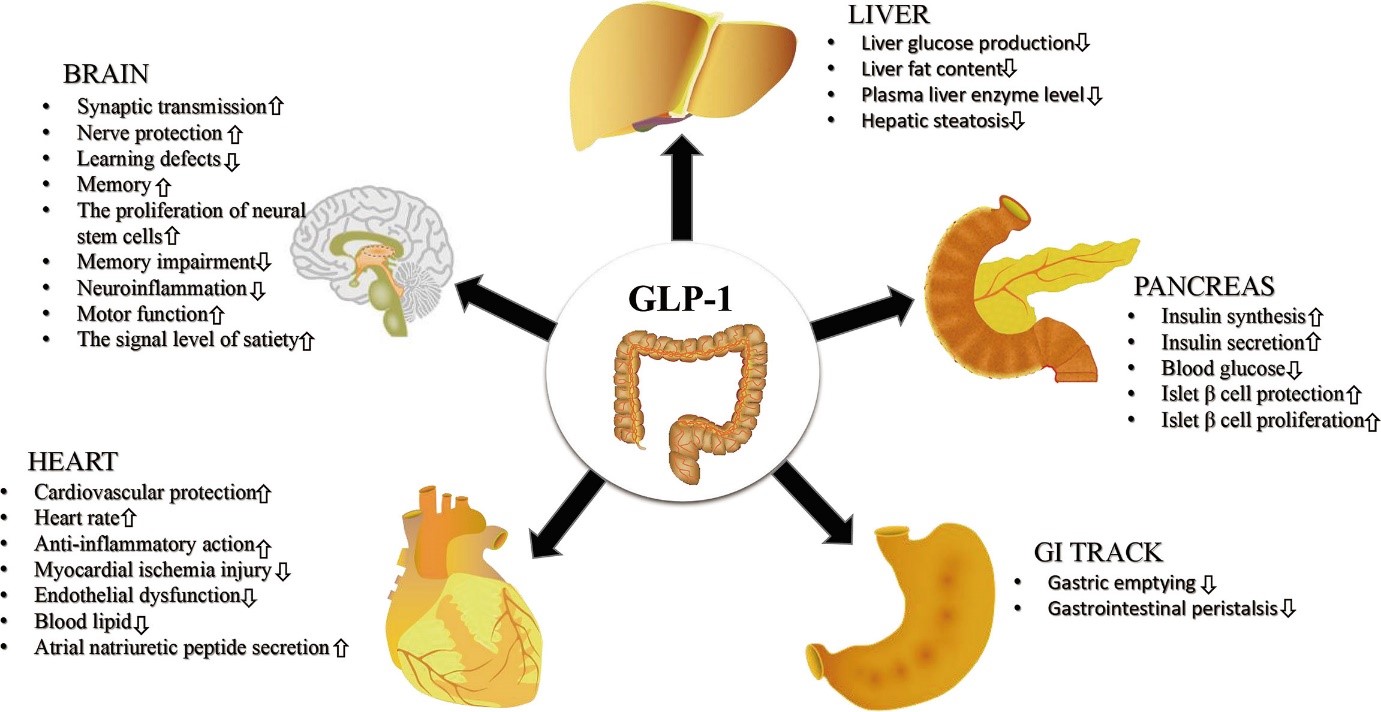
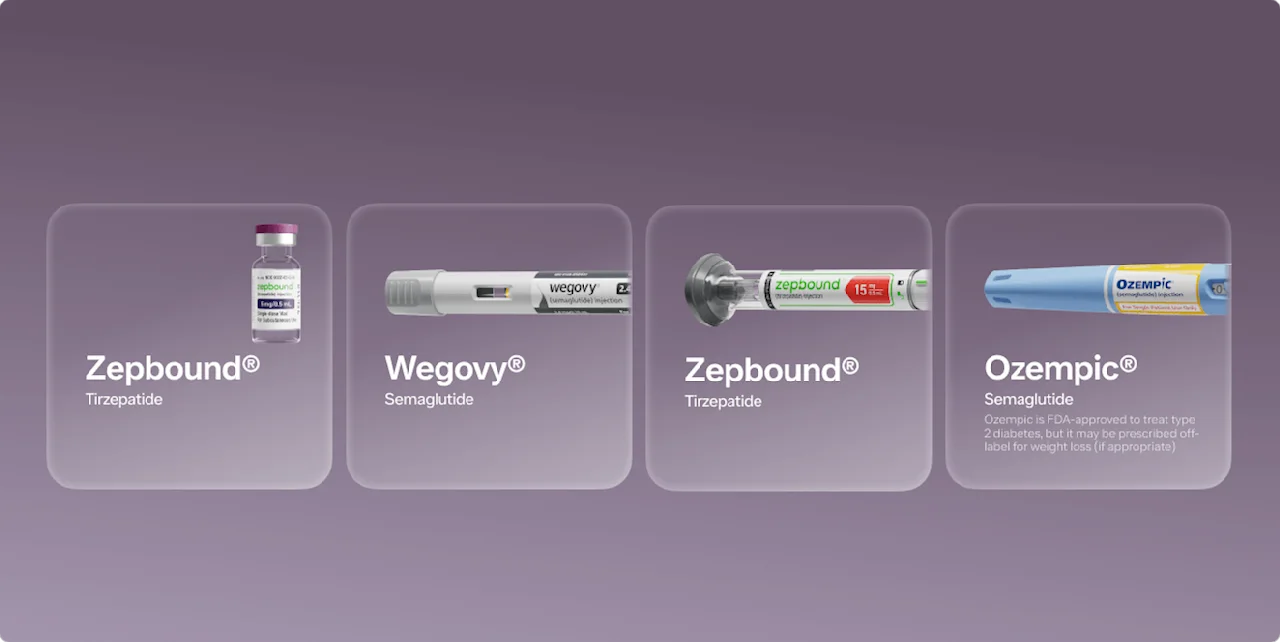
The way we choose to eat is closely tied to the effectiveness of GLP-1 medications. GLP-1, or glucagon-like peptide-1, is a hormone that plays a crucial role in regulating blood sugar levels and appetite signals. When used to treat conditions such as obesity and type 2 diabetes, GLP-1 medications like semaglutide and tirzepatide have been shown to be highly effective in aiding weight loss and improving blood sugar control.
Understanding the Relationship Between GLP-1 and Eating Patterns
The link between GLP-1 and eating patterns is complex and multifaceted. When we eat, our body releases GLP-1, which sends signals to the brain to regulate hunger and fullness. However, GLP-1 medications work by mimicking this hormone, slowing down stomach emptying and affecting appetite-regulating hormones. This can lead to changes in eating behavior and potentially trigger side effects such as nausea, constipation, and stomach pain.
The Impact of GLP-1 Eating Patterns on Weight Loss
GLP-1 medications can significantly impact not only how we eat but also our overall approach to diet and nutrition. When used in conjunction with a healthy diet and regular exercise, GLP-1 medications can lead to substantial weight loss and improved blood sugar control. By understanding the relationship between GLP-1 and eating patterns, individuals can make informed choices about their treatment options and optimize their eating habits to achieve better results.
The Benefits of an Optimized GLP-1 Diet
- Improved blood sugar control: GLP-1 medications have been shown to reduce HbA1c levels and improve insulin sensitivity.
- Weight loss**: GLP-1 medications can lead to significant weight loss and reduction in body mass index (BMI).
- Reduced nausea and side effects**: By understanding the relationship between GLP-1 eating patterns and adjusting diet accordingly, individuals can minimize side effects and improve treatment outcomes.
- Increased nutrient intake**: GLP-1 diets prioritize protein, fiber, and whole foods, which can lead to better nutrient absorption and overall health.
The Key Components of a GLP-1-Friendly Diet

When it comes to adjusting eating patterns to optimize the effectiveness of GLP-1 medications, the following foods and nutrients are essential:
- Protein-rich foods**: Protein helps to slow down stomach emptying and keep you feeling fuller longer.
- Fiber-rich foods**: Fiber helps to regulate blood sugar levels and supports healthy digestion.
- Healthy fats**: Fats slow down digestion and provide sustained energy.
- Whole foods**: Focus on whole, unprocessed foods to ensure you are getting the nutrients your body needs.
Practical Tips for Eating on GLP-1 Medications
When navigating the world of GLP-1 medications, here are some practical tips to keep in mind:
- Eat smaller, frequent meals**: This can help minimize side effects and keep you feeling fuller longer.
- Choose high fiber foods**: Fiber can help regulate blood sugar levels and support healthy digestion.
- Drink plenty of water**: Staying hydrated is essential for optimal GLP-1 function and overall health.
- Experiment with protein-fiber-fat combinations**: This can help maximize GLP-1 production and reduce hunger.
Conclusion
The relationship between GLP-1 and eating patterns is complex, but understanding this connection can help individuals optimize their treatment outcomes and achieve better results. By prioritizing protein, fiber, and whole foods, and adjusting eating patterns accordingly, those taking GLP-1 medications can minimize side effects, improve blood sugar control, and lose weight effectively. As the interest in GLP-1 continues to grow, it is essential to prioritize a balanced and healthy approach to eating to maximize the benefits of this life-altering medication.



![GLP-1 Diet: Foods to Eat, Avoid & Sample Meal Plan [2026]](https://martinswellness.com/media/wysiwyg/MW-GLP-1.jpg "GLP-1 Diet: Foods to Eat, Avoid & Sample Meal Plan [2026]")