Can a DNA Test Predict Health Risks?
DNAtesting has become a popular tool for individuals seeking insights into their health and future well-being. By analyzing specific genetic markers, these tests can identify potential health risks, giving people a glimpse into possible future medical conditions. As the technology becomes more accessible, many are curious if DNAtesting can truly predict future health problems.
In this article, we will delve into the accuracy of DNAtesting, its ability to predict cancer risk and the conditions it can identify. Understanding DNA testing, its benefits, and its limitations is essential to make informed decisions about one's health and future well-being.
What is DNA Testing?
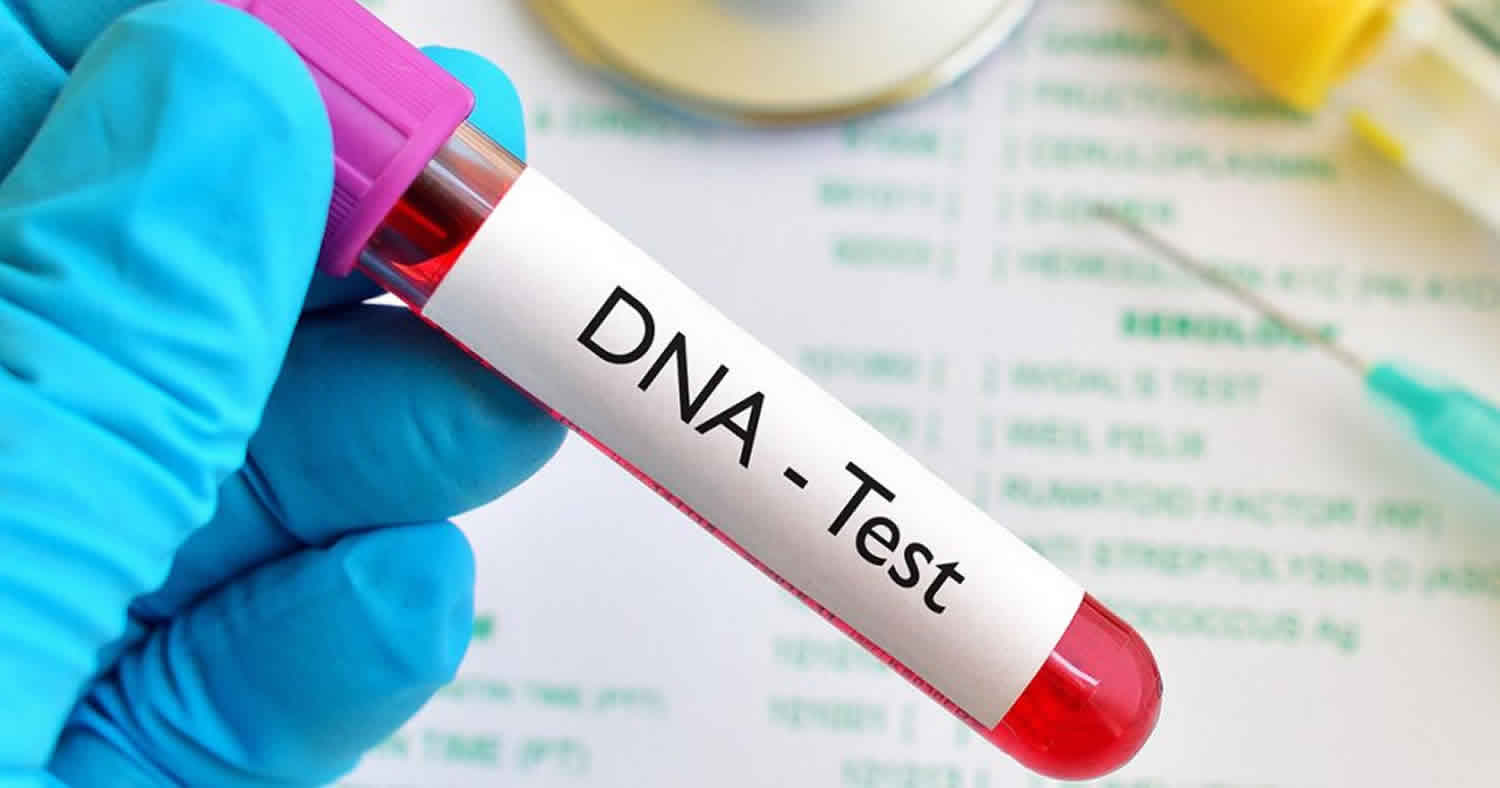
DNAtesting, also known as genetic testing, involves analyzing the unique genetic code that determines an individual's traits, physical characteristics, and susceptibility to certain diseases. By examining specific genes or genetic markers, DNAtests can provide insights into inherited conditions, potential health risks, and even how the body might respond to certain medications.
- Genetic testing can identify diseases that have run in the family.
- DNAtesting can provide a diagnosis for genetic conditions such as fragile X syndrome.
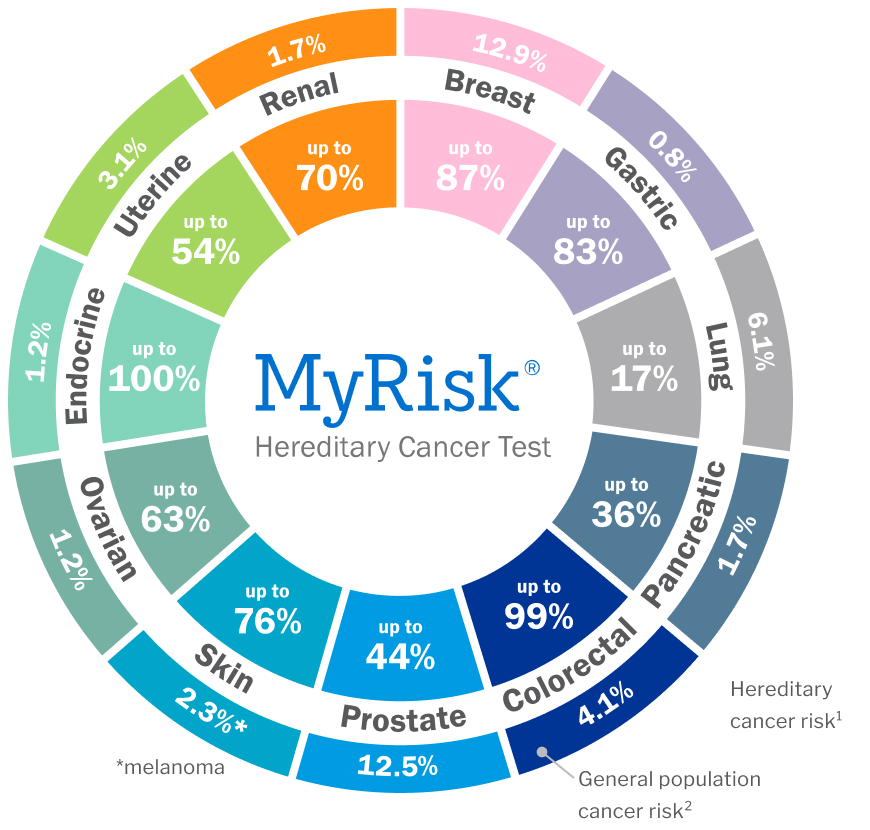
- The test results can offer insights into an individual's risk of developing cancer.
- Genetic markers can indicate how a person might respond to certain medications.
The Accuracy of DNA Testing
While DNAtesting can provide valuable insights into an individual's health risks, it is essential to understand that genetic testing is not a 100% accurate. The accuracy of DNA testing depends on various factors, including the type of test, the quality of the DNA sample, and the interpretation of the results.
Most health conditions are influenced by multiple genes, each with thousands of variants. Therefore, DNAtesting can only identify a small portion of the genetic risk for a particular condition. Other factors, such as lifestyle, environment, and family medical history, also play a significant role in determining health risks.

Conditions Identified by DNA Testing
DNAtesting can identify a range of conditions, including:
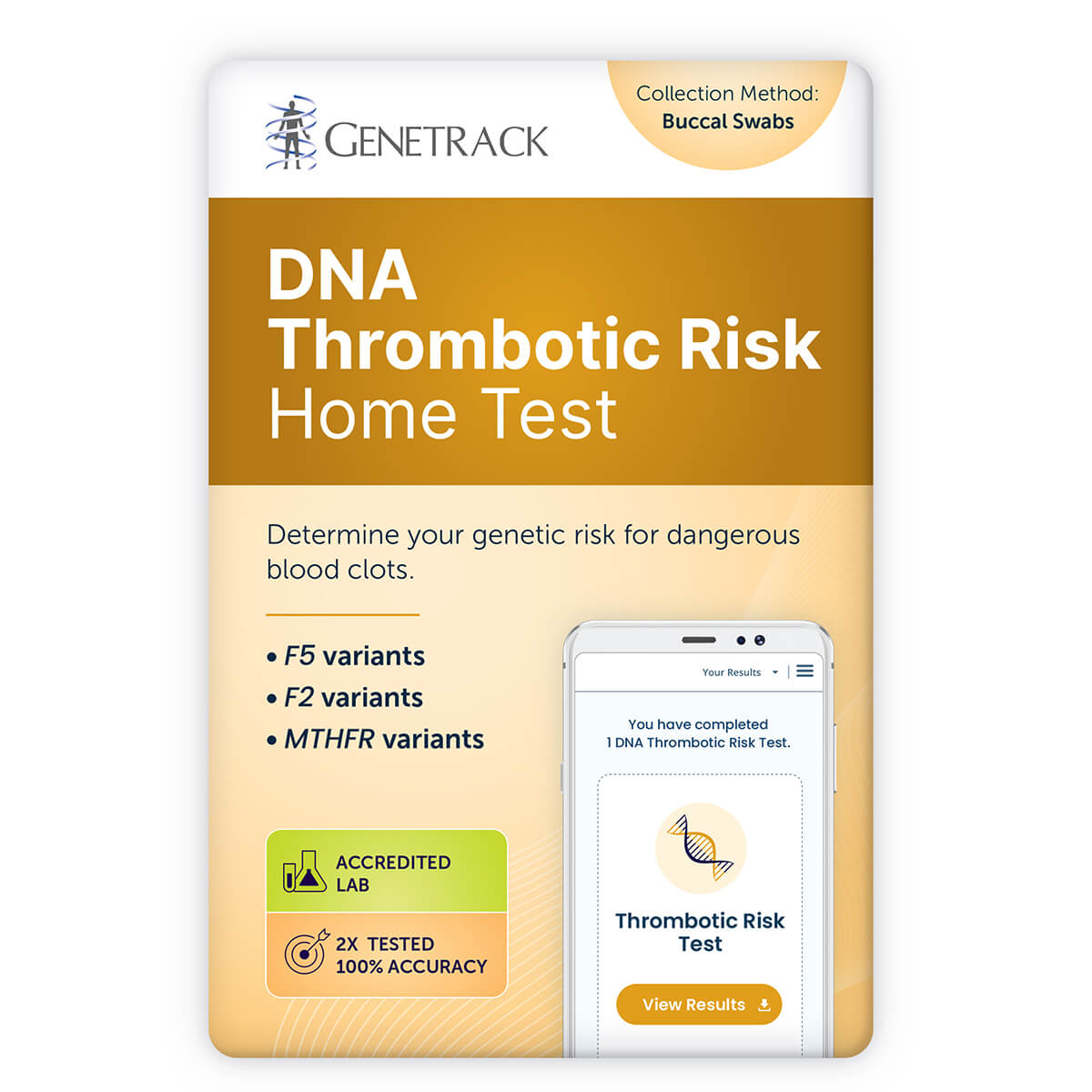
- Genetic disorders such as sickle cell anemia and cystic fibrosis.
- Cancer risk, including breast, ovarian, colon, and prostate cancer.
- Cardiovascular disease risk, including heart attack and stroke.
- Neurological disorders, such as Alzheimer's disease and Parkinson's disease.
- Eye and vision disorders, including retinitis pigmentosa and age-related macular degeneration.
Limitations of DNA Testing
While DNAtesting offers valuable insights into an individual's health risks, there are several limitations to consider:
- DNAtesting is not a definitive diagnostic tool.
- It is not 100% accurate.
- Results may not indicate the presence or absence of a disease.
- Genetic testing may not identify all genetic variants that contribute to a condition.
Conclusion
DNAtesting is a powerful tool that can provide valuable insights into an individual's health risks. While it is not a definitive diagnostic tool, it can offer valuable information to individuals and healthcare providers. Understanding the accuracy and limitations of DNAtesting is essential to make informed decisions about one's health and future well-being.