Binge Eating GLP-1 Mechanisms: Unveiling the Science Behind Appetite Regulation
The Complex Relationship Between GLP-1 and Binge Eating
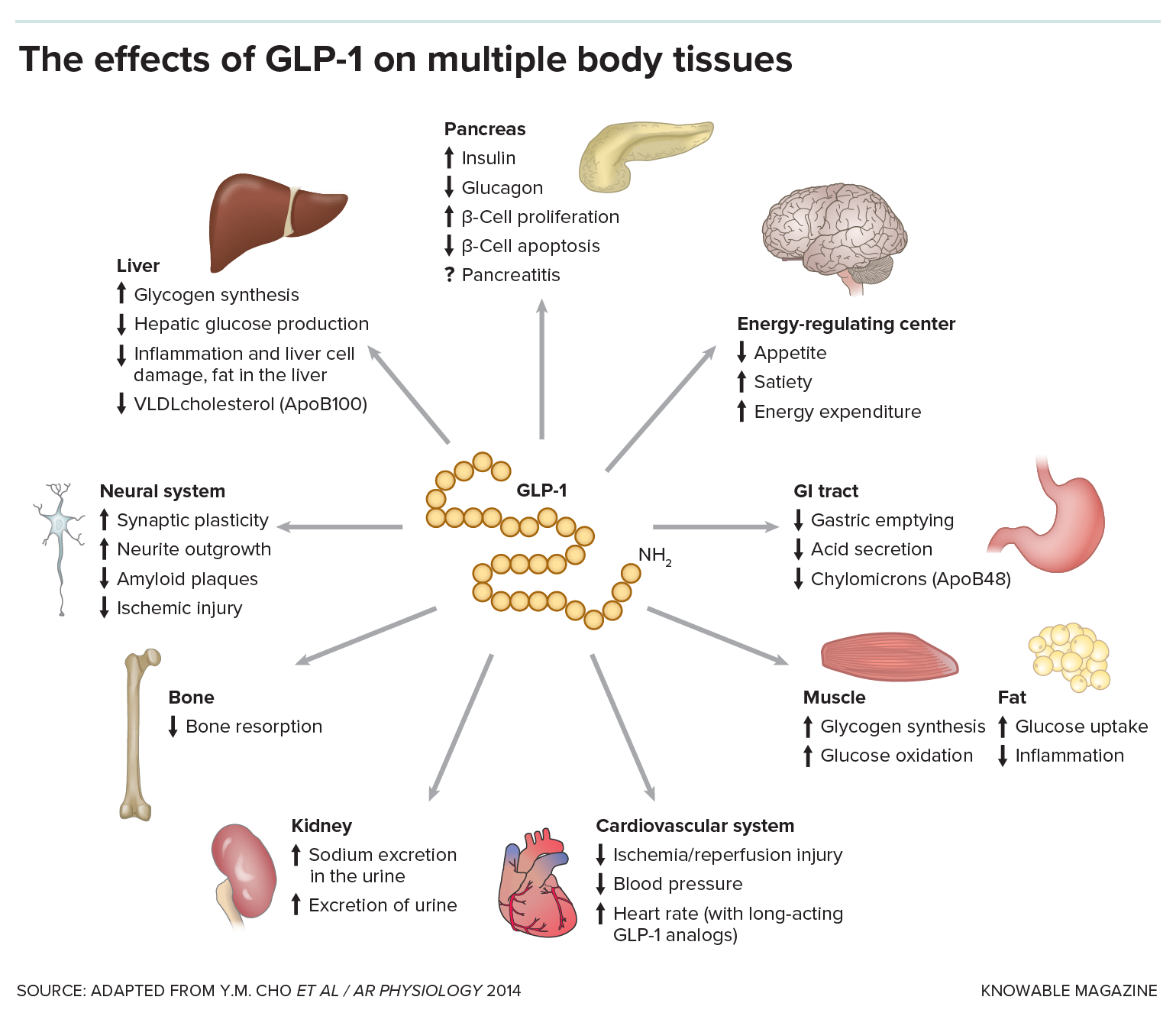
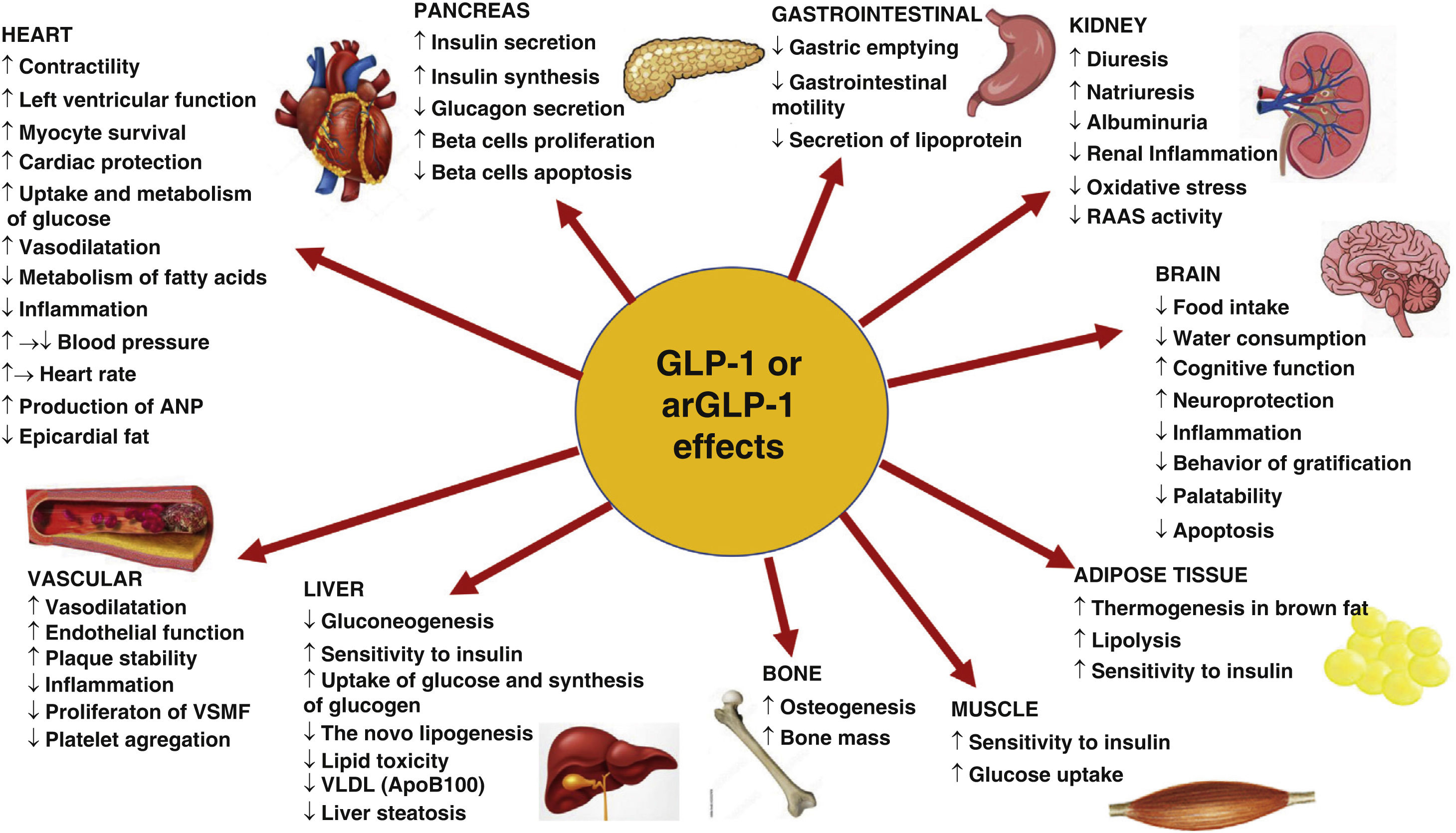
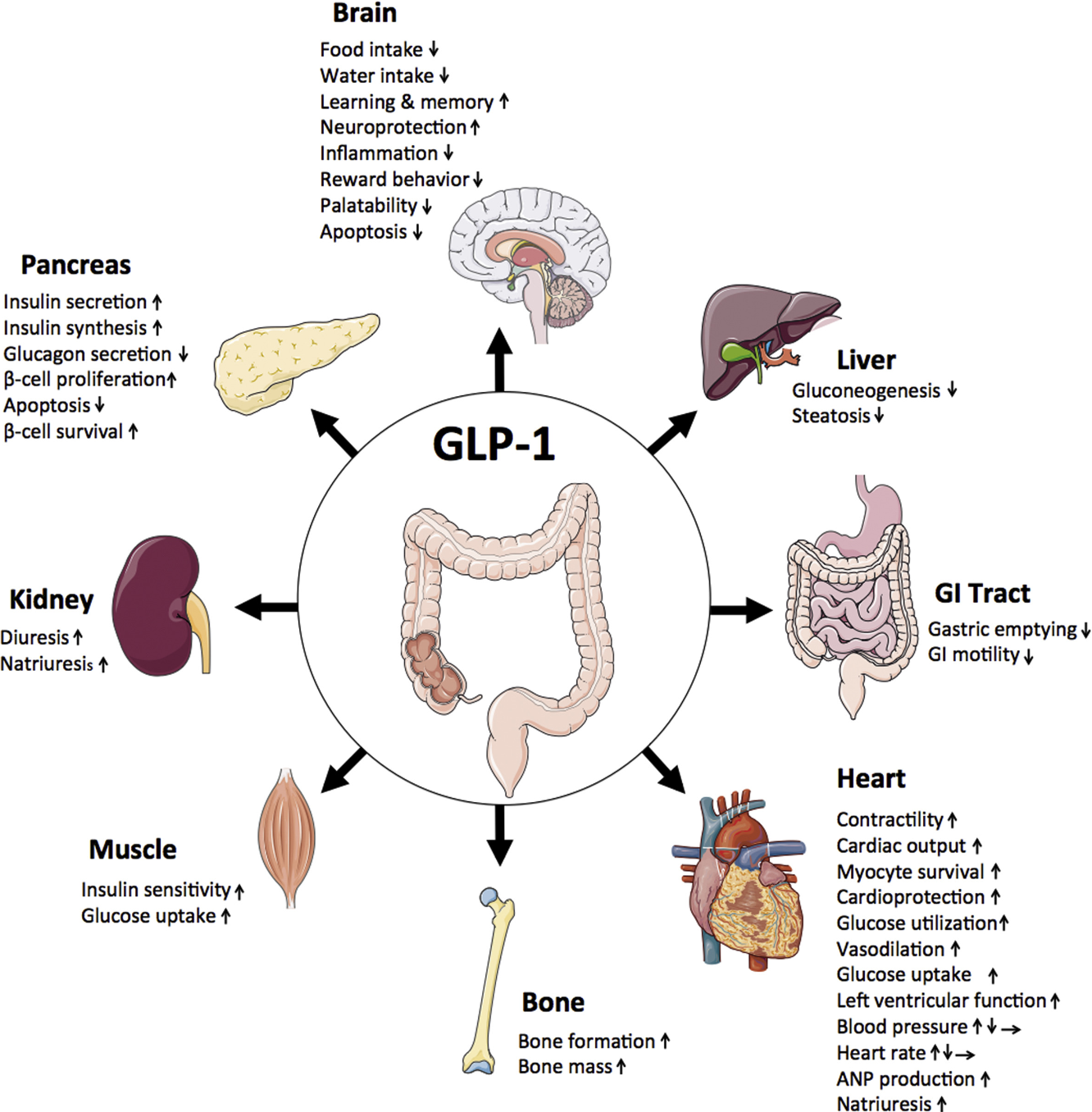
Glucagon-like peptide-1 (GLP-1) is a hormone that plays a vital role in regulating blood sugar levels and appetite signals throughout the body. However, the relationship between GLP-1 and binge eating is complex, and researchers are still uncovering the intricate mechanisms that govern this interaction. As studies continue to investigate the neurobiological changes to GLP-1 receptors and their receptors, a deeper understanding of the therapeutic potential of GLP-1-based pharmacotherapies for reducing binge eating behavior is emerging.GLP-1 Mechanisms and Their Relevance to Binge Eating
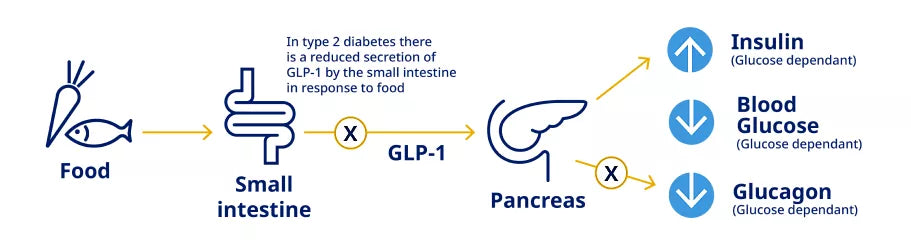
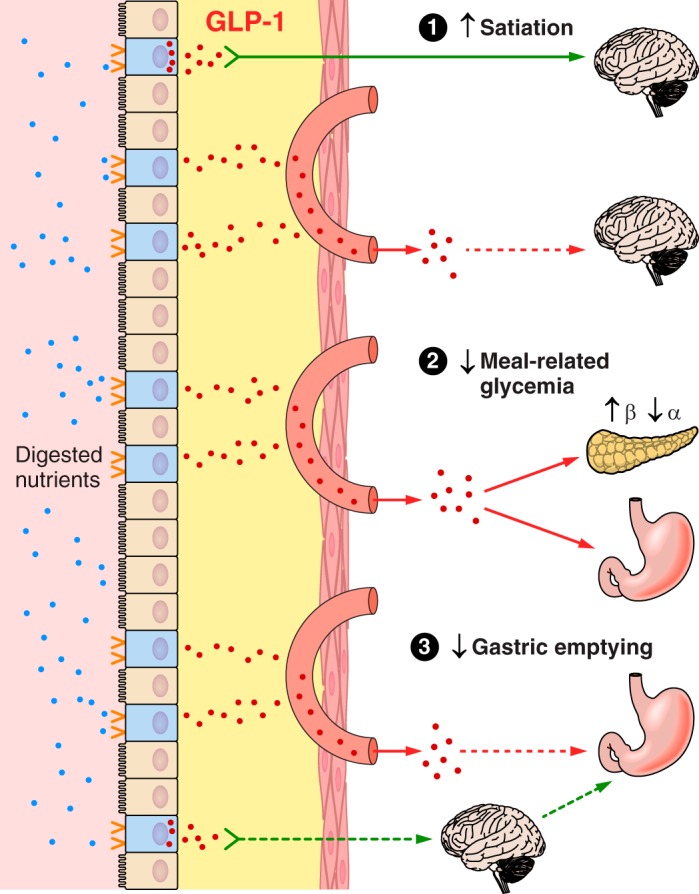
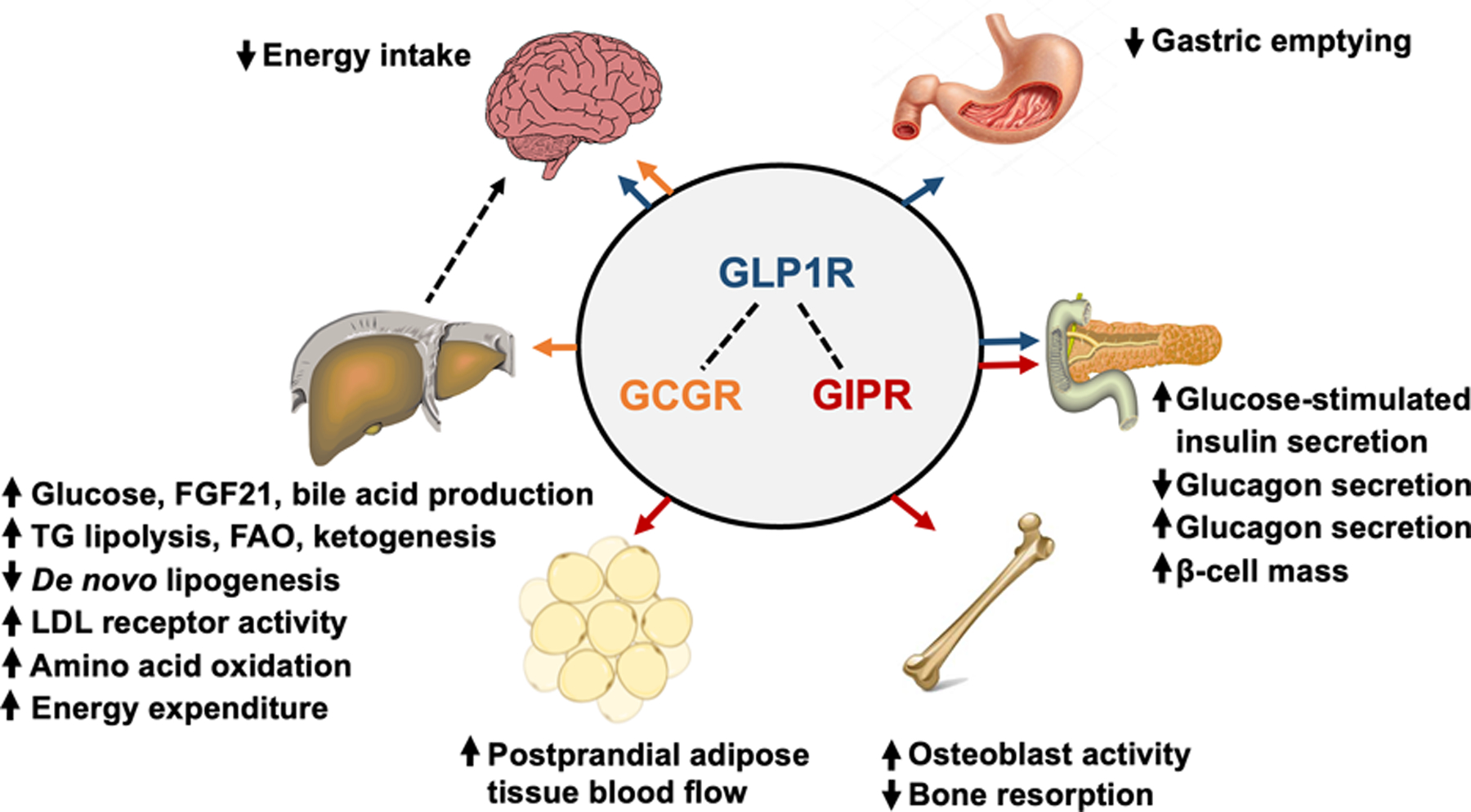
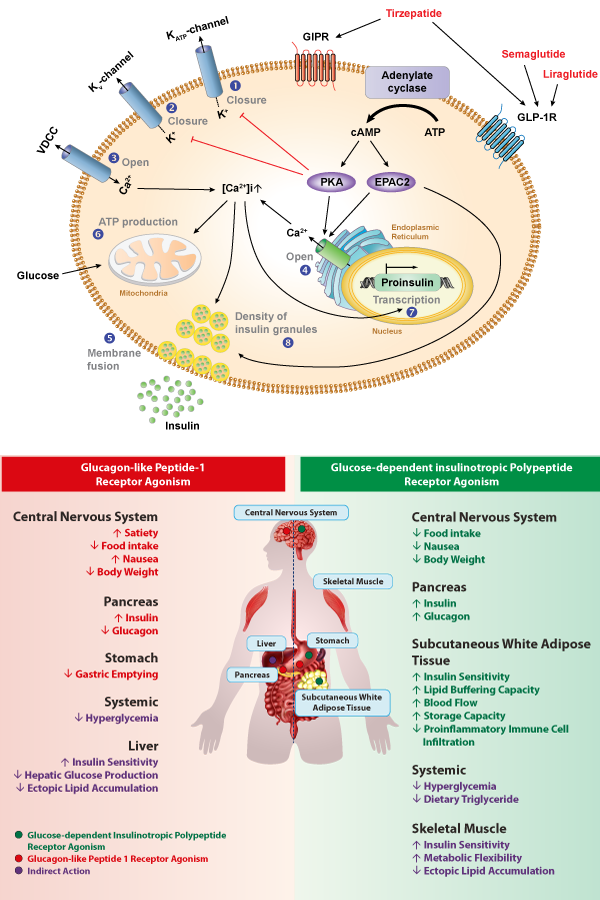
GLP-1 is secreted by L cells in the intestine in response to food intake, and its postprandial secretion is triggered by nutrient-sensing via transporters and G-protein-coupled receptors (GPCRs). The hormone plays a crucial role in appetite regulation, modulating eating behaviors and food reward pathways. Studies have shown that GLP-1 receptor agonists (GLP-1RAs) can reduce binge eating, body weight, and comorbidities in individuals with binge eating disorder and bulimia nervosa, highlighting the potential of targeting GLP-1R pathways to address maladaptive eating behaviors and reward dysregulation.The Therapeutic Potential of GLP-1RAs for Binge Eating Disorder
Research has demonstrated that GLP-1RAs have a favorable psychiatric side effect profile compared to current medical treatments, making them a promising avenue for treating disorders such as obesity and binge eating. Small pilot studies have shown that GLP-1RAs like liraglutide can reduce binge eating, body weight, and comorbidities in individuals with binge eating disorder. The potential of these medications to enhance mental health by improving mood, reducing cravings, and aiding emotional regulation has been identified, offering hope for improved treatment outcomes.Understanding the Complex Dynamics of Binge Eating and GLP-1 Signaling