Asbestos Abatement and Mold Removal: Understanding the Importance and Cost
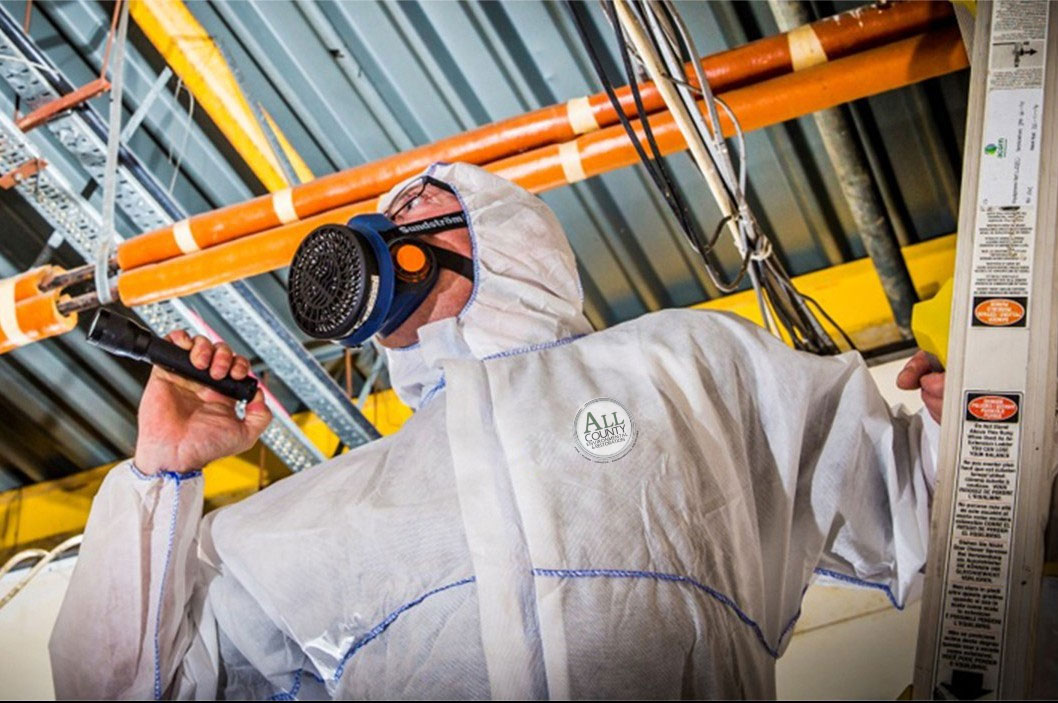
Asbestos abatement and mold removal are crucial processes that require the expertise of professionals to ensure safety and compliance with regulations. Asbestos, a toxic substance commonly used in construction materials, can pose significant health risks when disturbed or damaged. Mold growth, often caused by water damage or poor ventilation, can also lead to respiratory issues and property damage. In this article, we will delve into the importance of asbestos abatement and mold removal, the costs involved, and the steps to take to ensure a safe and successful project.
The Dangers of Asbestos and Mold
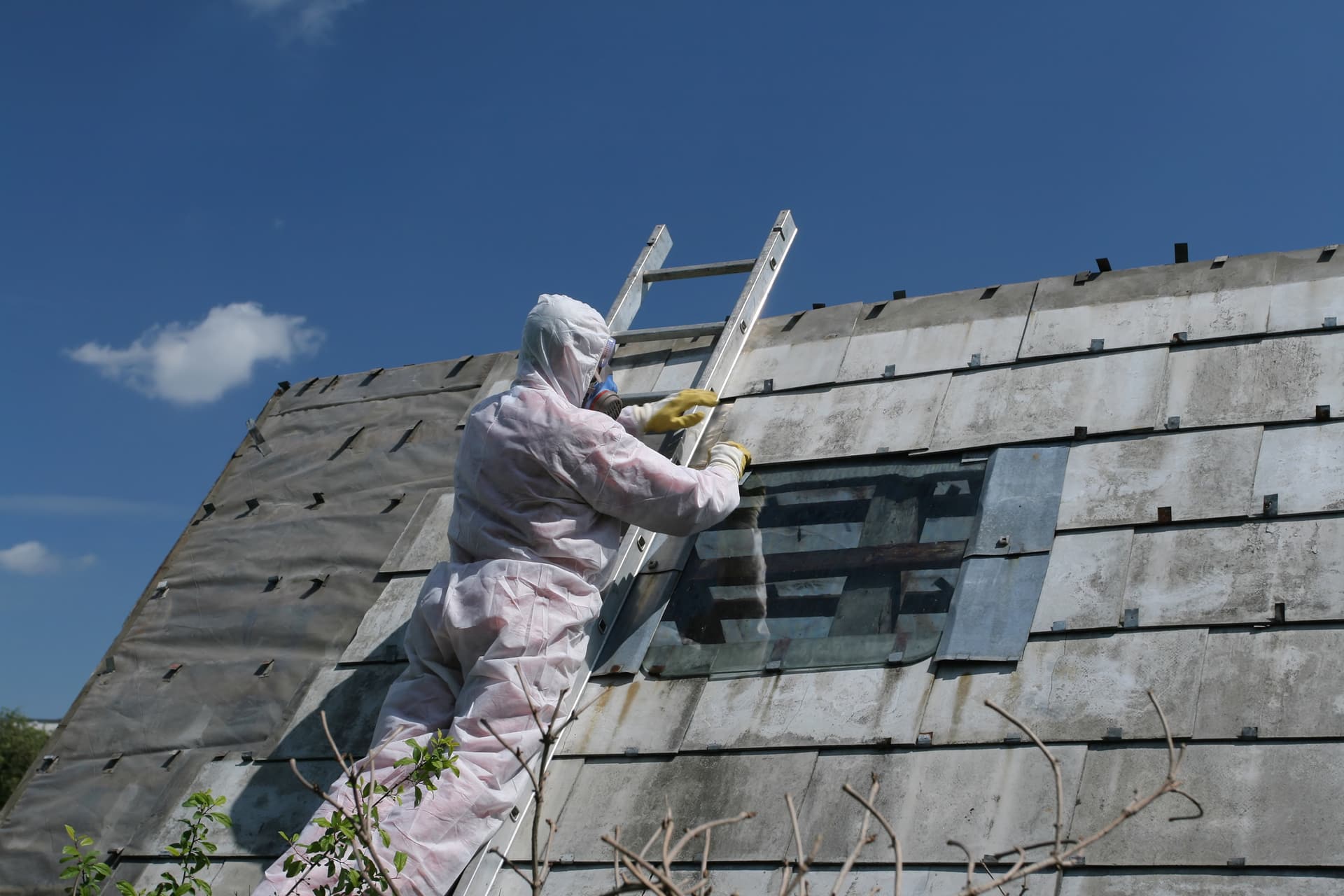
Asbestos, a group of naturally occurring minerals, was widely used in building materials such as insulation, ceiling tiles, and flooring due to its fire-resistant and insulating properties. However, when asbestos is disturbed or damaged, it releases fibers that can be inhaled, leading to respiratory diseases like mesothelioma, lung cancer, and asbestosis. Similarly, mold growth can cause allergic reactions, respiratory issues, and property damage when left untreated.
Asbestos Abatement and Mold Removal Costs
The cost of asbestos abatement and mold removal can vary widely, depending on several factors such as the size and scope of the project, type of material being removed, and accessibility of the area. According to recent estimates, asbestos removal costs homeowners an average of $1,170-$3,120, while mold remediation can range from $500 to $10,000 or more. Lead paint removal, a related service, can cost between $5,000 to $50,000 or more, depending on the size of the property and the extent of the damage.
Factors Affecting Asbestos Abatement and Mold Removal Costs
- Size and Scope of the Project: Larger projects with more extensive asbestos or mold damage will require more time, labor, and equipment, increasing the overall cost.
- Type of Material Being Removed: The type of asbestos or mold material, such as popcorn ceilings or black mold, can affect the cost of removal.
- Accessibility of the Area: Areas with limited access, such as those behind walls or in tight spaces, can increase the cost of removal due to the need for specialized equipment and labor.
- Requirements for Containment and Clearance Testing: Projects requiring containment to prevent cross-contamination and clearance testing to ensure the area is safe for occupancy can add to the overall cost.
Steps to Take for Safe and Successful Asbestos Abatement and Mold Removal
When dealing with asbestos or mold, it's essential to hire a licensed and certified professional to ensure a safe and successful project. Here are the steps to take:
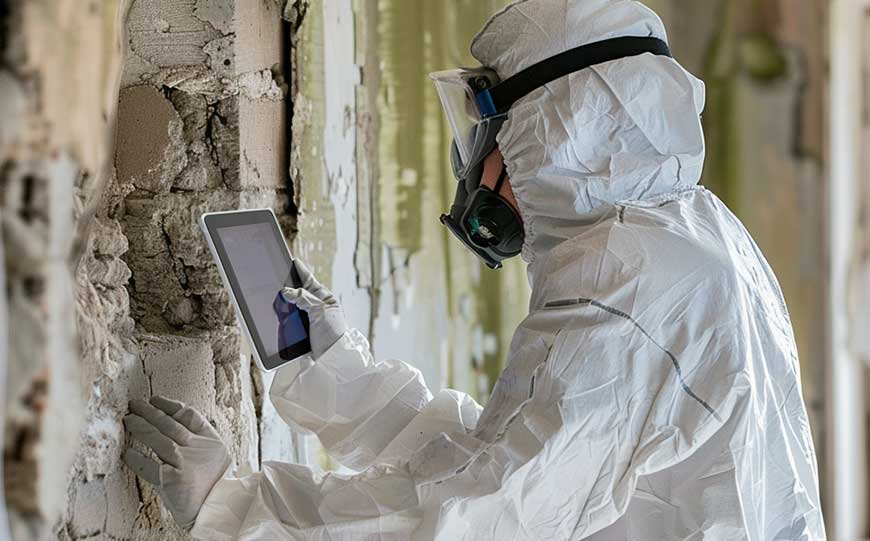
- Identify the Problem: Determine the source and extent of the asbestos or mold damage.
- Hire a Licensed Professional: Choose a certified asbestos abatement or mold removal contractor with experience in your area.
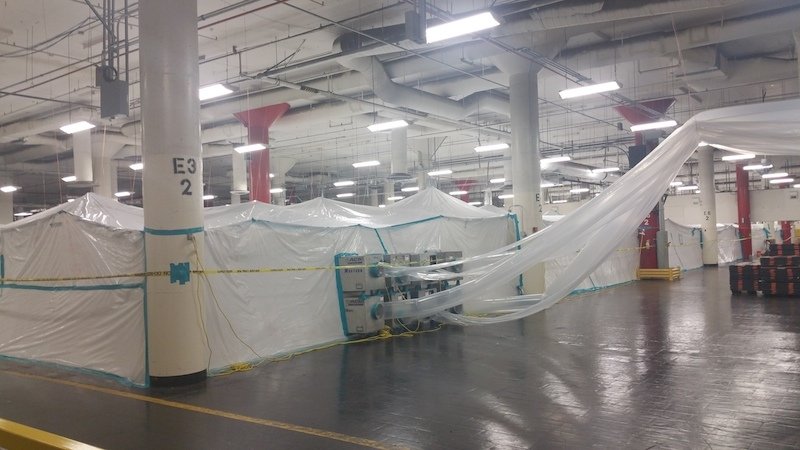
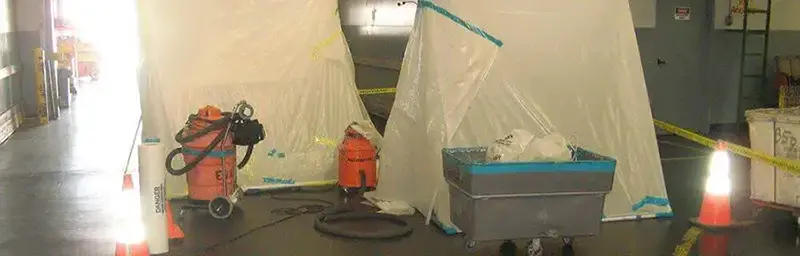
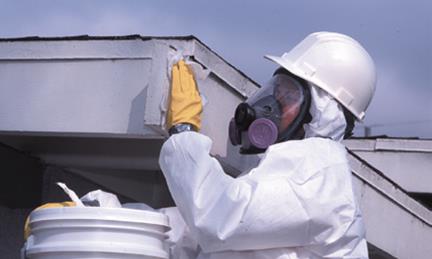
- Contain the Area: Use containment procedures to prevent cross-contamination and ensure the area is safe for removal.
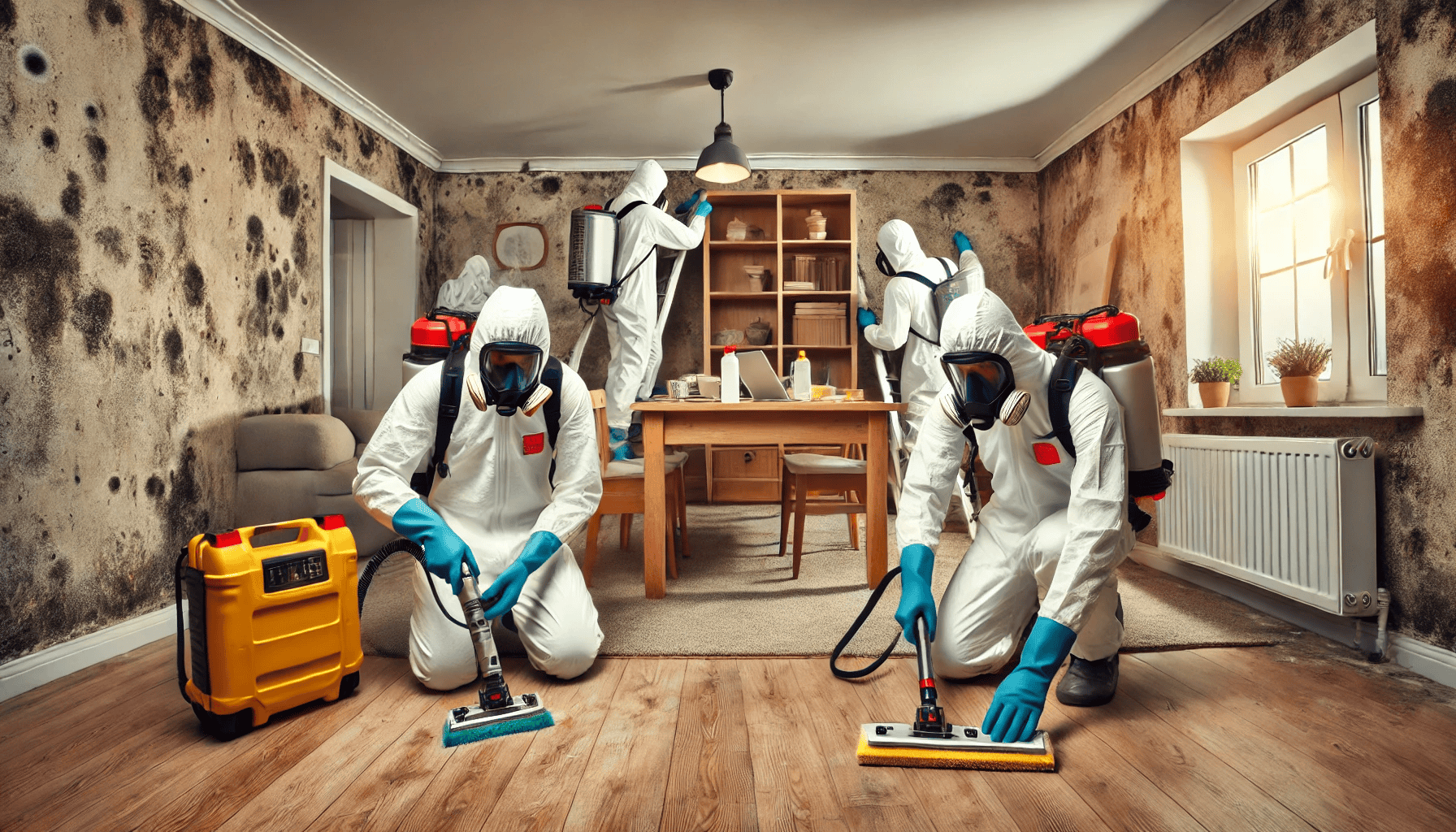
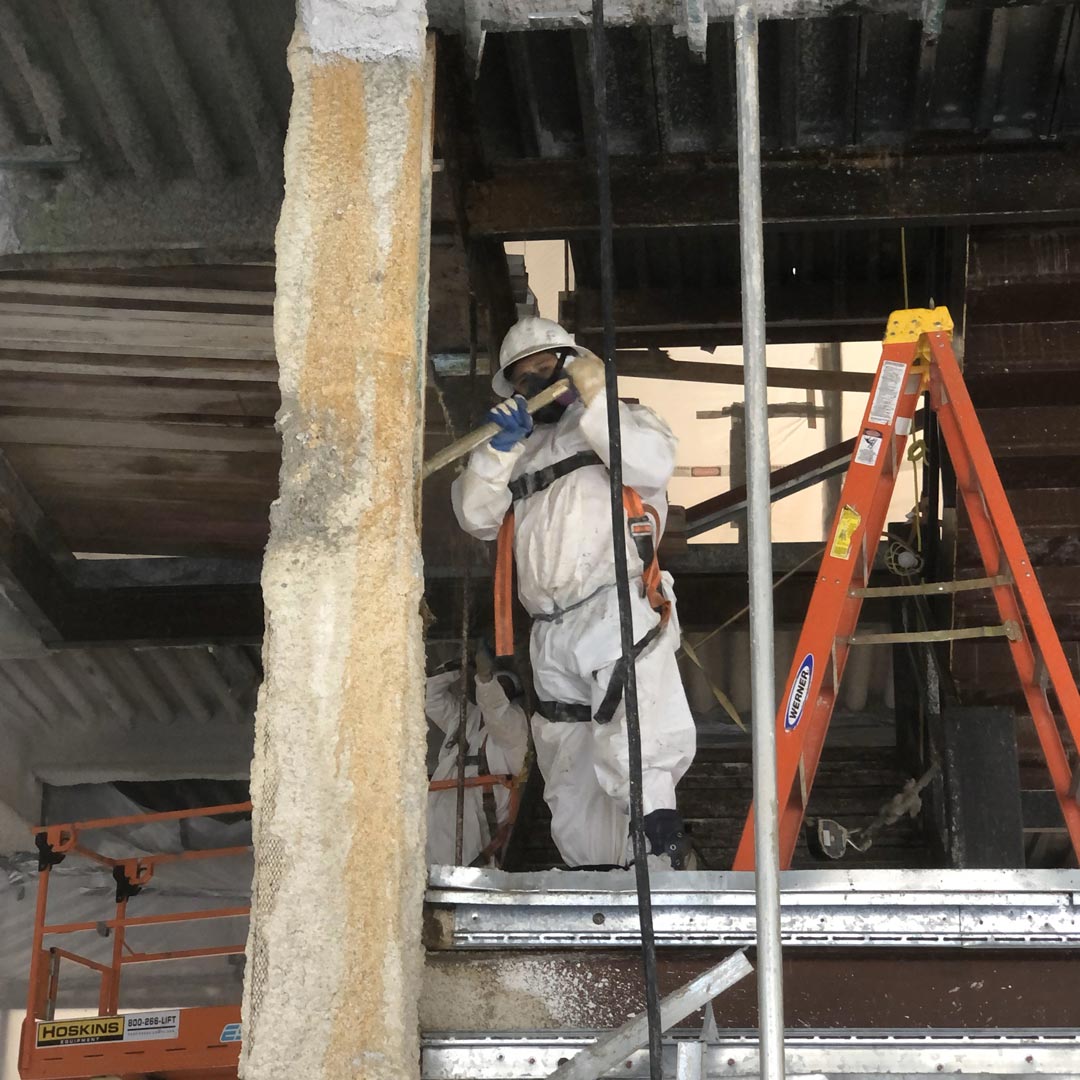
- Remove the Hazard: Use specialized equipment and techniques to safely remove the asbestos or mold material.
- Clearance Testing: Conduct clearance testing to ensure the area is safe for occupancy.
Conclusion
Asbestos abatement and mold removal are critical processes that require the expertise of professionals to ensure safety and compliance with regulations. By understanding the importance and costs involved, homeowners and property managers can take the necessary steps to prevent health risks and property damage. Remember to hire a licensed and certified professional, identify the problem, contain the area, remove the hazard, and conduct clearance testing to ensure a safe and successful project.